Slovenia Takes Firm Position After ICC Warrant for Netanyahu
When the International Criminal Court issued an arrest warrant accusing Benjamin Netanyahu of war crimes and crimes against humanity related to the Gaza conflict, many European governments responded cautiously. Slovenia, however, chose a more direct course of action.
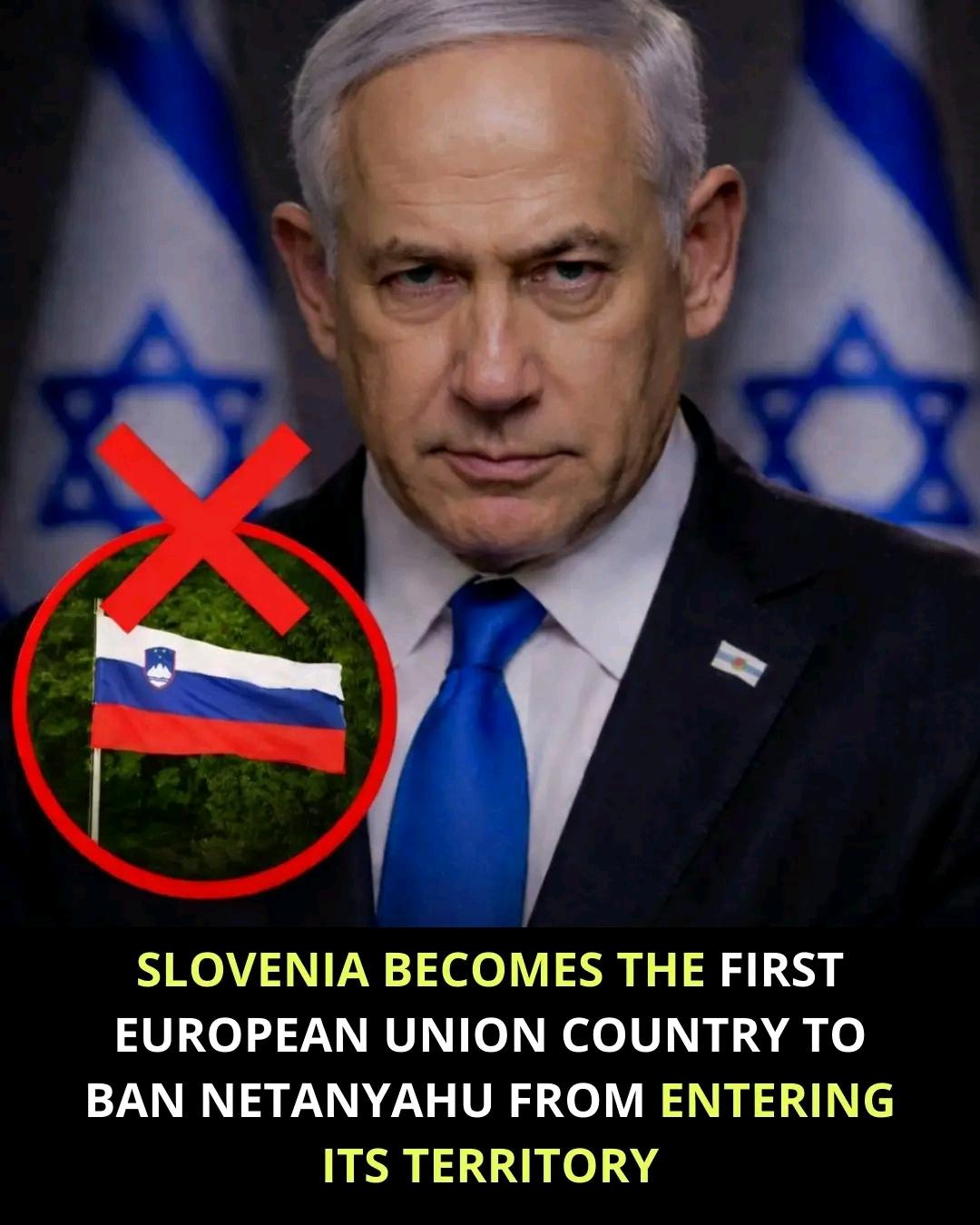
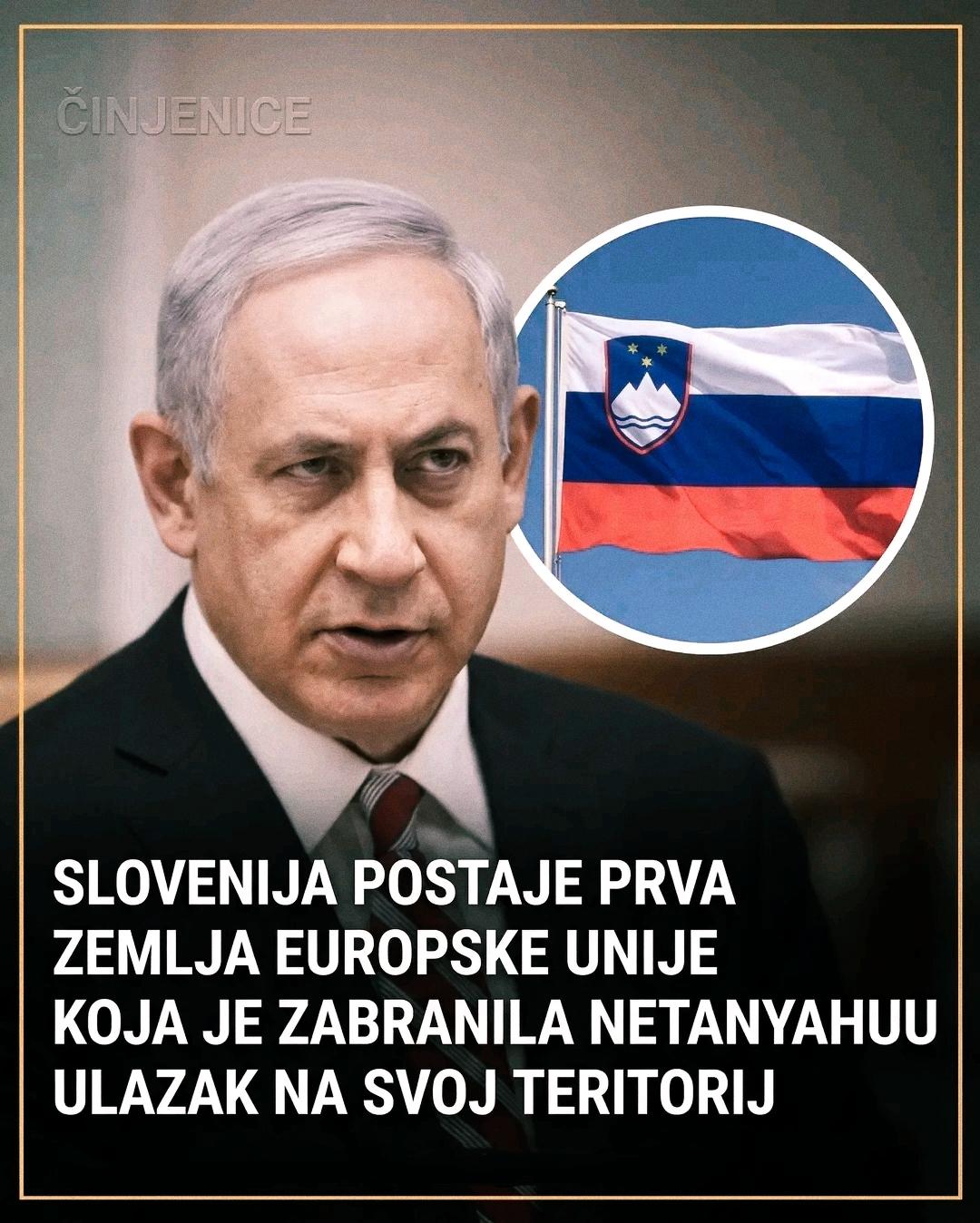
On September 25, 2025, Slovenia announced that Netanyahu would be treated as persona non grata, effectively banning him from entering the country. Slovenian officials said the decision was based on the ICC warrant and framed it as a commitment to uphold international legal obligations, regardless of the political stature of the accused.
The move was part of a broader shift in Slovenia’s approach to the Israeli-Palestinian conflict. In June 2024, the country formally recognized State of Palestine as an independent state. Later, in July 2025, Slovenia barred two far-right Israeli ministers from entering the country, and in August it announced what was described as the European Union’s first unilateral arms embargo targeting Israel.
During the same period, Natasa Pirc Musar addressed the United Nations General Assembly, urging governments to respect international legal institutions and ensure accountability for alleged violations of humanitarian law.
Reports at the time also suggested that Netanyahu’s travel routes to international events, including visits to the United Nations, were planned carefully to avoid airspace of countries that might attempt to enforce the ICC warrant. The situation highlighted a key challenge in international justice: the effectiveness of such rulings often depends on whether individual states are willing to enforce them.
Slovenia’s decision therefore became a notable example of how international law intersects with geopolitics. While some observers view the move as a strong stand for legal accountability, others warn that aggressive enforcement of such warrants against sitting leaders could carry significant diplomatic consequences.
The episode has reignited debate over the role of international courts and the willingness of nations to act on their rulings when political alliances and global tensions are involved.
💬 Debate continues: Should more countries enforce ICC warrants against sitting leaders, or could doing so create new risks for international diplomacy and political stability?
Slovenia Takes Firm Position After ICC Warrant for Netanyahu
When the International Criminal Court issued an arrest warrant accusing Benjamin Netanyahu of war crimes and crimes against humanity related to the Gaza conflict, many European governments responded cautiously. Slovenia, however, chose a more direct course of action.
On September 25, 2025, Slovenia announced that Netanyahu would be treated as persona non grata, effectively banning him from entering the country. Slovenian officials said the decision was based on the ICC warrant and framed it as a commitment to uphold international legal obligations, regardless of the political stature of the accused.
The move was part of a broader shift in Slovenia’s approach to the Israeli-Palestinian conflict. In June 2024, the country formally recognized State of Palestine as an independent state. Later, in July 2025, Slovenia barred two far-right Israeli ministers from entering the country, and in August it announced what was described as the European Union’s first unilateral arms embargo targeting Israel.
During the same period, Natasa Pirc Musar addressed the United Nations General Assembly, urging governments to respect international legal institutions and ensure accountability for alleged violations of humanitarian law.
Reports at the time also suggested that Netanyahu’s travel routes to international events, including visits to the United Nations, were planned carefully to avoid airspace of countries that might attempt to enforce the ICC warrant. The situation highlighted a key challenge in international justice: the effectiveness of such rulings often depends on whether individual states are willing to enforce them.
Slovenia’s decision therefore became a notable example of how international law intersects with geopolitics. While some observers view the move as a strong stand for legal accountability, others warn that aggressive enforcement of such warrants against sitting leaders could carry significant diplomatic consequences.
The episode has reignited debate over the role of international courts and the willingness of nations to act on their rulings when political alliances and global tensions are involved.
💬 Debate continues: Should more countries enforce ICC warrants against sitting leaders, or could doing so create new risks for international diplomacy and political stability?
 About
About
 Termini e Condizioni
 Privacy
 Advertisment
 DMCA
DMCA
 Gmaps
Gmaps
 Rewards
 Refunds
 Developers