Environ
 Conditions générale de vente
 Confidentialité
 Advertisment
 DMCA
DMCA
 Gmaps
Gmaps
 Rewards
 Refunds
 Développeurs
Emulating SQL FILTER with Oracle JSON Aggregate Functions

How to implement FILTER semantics with Oracle JSON aggregate functions
A cool standard SQL:2003 feature is the aggregate FILTER clause, which is supported natively by at least these RDBMS:
- ClickHouse
- CockroachDB
- DuckDB
- Firebird
- H2
- HSQLDB
- PostgreSQL
- SQLite
- Trino
- YugabyteDB
The following aggregate function computes the number of rows per group which satifsy the FILTER clause:
SELECT
  COUNT(*) FILTER (WHERE BOOK.TITLE LIKE 'A%'),
  COUNT(*) FILTER (WHERE BOOK.TITLE LIKE 'B%'),
  ...
FROM BOOK
This is useful for pivot style queries, where multiple aggregate values are computed in one go. For most basic types of aggregate function, it can be emulated simply by using CASE expressions, because standard aggregate functions ignore NULL values when aggregating. The following is equivalent to the above, in all RDBMS:
SELECT
  COUNT(CASE WHEN BOOK.TITLE LIKE 'A%' THEN 1 END),
  COUNT(CASE WHEN BOOK.TITLE LIKE 'B%' THEN 1 END),
  ...
FROM BOOK
What if we’re aggregating JSON?
Things are a bit different when aggregating JSON. Look at the following example, where we don’t want to count the books, but list them in a JSON array, or object:
SELECT
  JSON_ARRAYAGG(BOOK.TITLE)
    FILTER (WHERE BOOK.LANGUAGE_ID = 1),
  JSON_OBJECTAGG('id-' || BOOK.ID, BOOK.TITLE)
    FILTER (WHERE BOOK.LANGUAGE_ID = 2),
  ...
FROM BOOK
Things are different with these collection aggregate functions, because NULL values are actually interesting there, so we want to list them in the resulting JSON document. Assuming there are books with a NULL title, we might get:
|JSON_ARRAYAGG                |JSON_OBJECTAGG                      |
|-----------------------------|------------------------------------|
|["1984", "Animal Farm", null]|{ "id-4" : "Brida", "id-17" : null }|
This makes emulating the FILTER clause (e.g. on Oracle) much harder, because we cannot just use ABSENT ON NULL like this:
SELECT
  JSON_ARRAYAGG(
    CASE WHEN T_BOOK.LANGUAGE_ID = 1 THEN T_BOOK.TITLE END
    ABSENT ON NULL
  ),
  JSON_OBJECTAGG(
    'id-' || T_BOOK.ID,
    CASE WHEN T_BOOK.LANGUAGE_ID = 2 THEN T_BOOK.TITLE END
    ABSENT ON NULL
  )
FROM T_BOOK;
Because now, the legitimate null titled books are missing and we’re getting this instead:
|JSON_ARRAYAGG         |JSON_OBJECTAGG  |
|----------------------|----------------|
|["1984","Animal Farm"]|{"id-4":"Brida"}|
We cannot use NULL ON NULL either, because that would just turn the FILTER semantics into a mapping semantics, and produce too many values:
|JSON_ARRAYAGG                        |JSON_OBJECTAGG                                                   |
|-------------------------------------|-----------------------------------------------------------------|
|["1984","Animal Farm",null,null,null]|{"id-1":null,"id-4":"Brida","id-3":null,"id-2":null,"id-17":null}|
E.g. while id-3 and id-2 values are NULL because the FILTER emulating CASE expression maps them to NULL, the id-17 value really has a NULL title.
Workaround: Wrap data in an array
As a workaround, we can:
- Wrap legitimate data into an array
- Apply
ABSENT ON NULLto remove rows due to theFILTERemulation - Unwrap data again from the array
For the unwrapping, we’re going to be using JSON_TRANSFORM:
SELECT
  JSON_TRANSFORM(
    JSON_ARRAYAGG(
      CASE
        WHEN T_BOOK.LANGUAGE_ID = 1

        -- Wrap legitimate data into an array, including nulls
        THEN JSON_ARRAY(T_BOOK.TITLE NULL ON NULL)
      END

      -- Remove NULLs due to FILTER emulation
      ABSENT ON NULL
    ),

    -- Unwrap data gain from the array
    NESTED PATH '$[*]' (REPLACE '@' = PATH '@[0]')
  ),

  JSON_TRANSFORM(
    JSON_OBJECTAGG(
      'id-' || T_BOOK.ID,
      CASE
        WHEN T_BOOK.LANGUAGE_ID = 2

        -- Wrap legitimate data into an array, including nulls
        THEN JSON_ARRAY(T_BOOK.TITLE NULL ON NULL)
      END

      -- Remove NULLs due to FILTER emulation
      ABSENT ON NULL
    ),

    -- Unwrap data gain from the array
    NESTED PATH '$.*' (REPLACE '@' = PATH '@[0]')
  )
FROM T_BOOK;
jOOQ support
jOOQ 3.20 will implement the above emulations for:
This way, you can continue to transparently use FILTER on any aggregate function, also in Oracle.
Commandité
Commandité

Commandité
Commandité
Commandité
Commandité
Virtuala FansOnly
CDN FREE
Cloud Convert
Catégories
Lire la suite
In today's fast-paced tech landscape, staying ahead requires constant skill enhancement. The Red Hat Learning Subscription (RHLS) offers a comprehensive solution for professionals seeking continuous growth. At WebAsha Technologies, we empower individuals and teams to harness this powerful tool, unlocking endless opportunities in IT and cloud computing. What is Red Hat Learning...
Valentine’s Day is a time to express love and affection, and few gestures convey emotion more effectively than a thoughtfully selected bouquet of fresh flowers. Whether you are planning a romantic surprise or sending appreciation to a cherished friend, selecting the right blooms requires consideration, creativity, and understanding the nuances of flower types and presentation. For those...

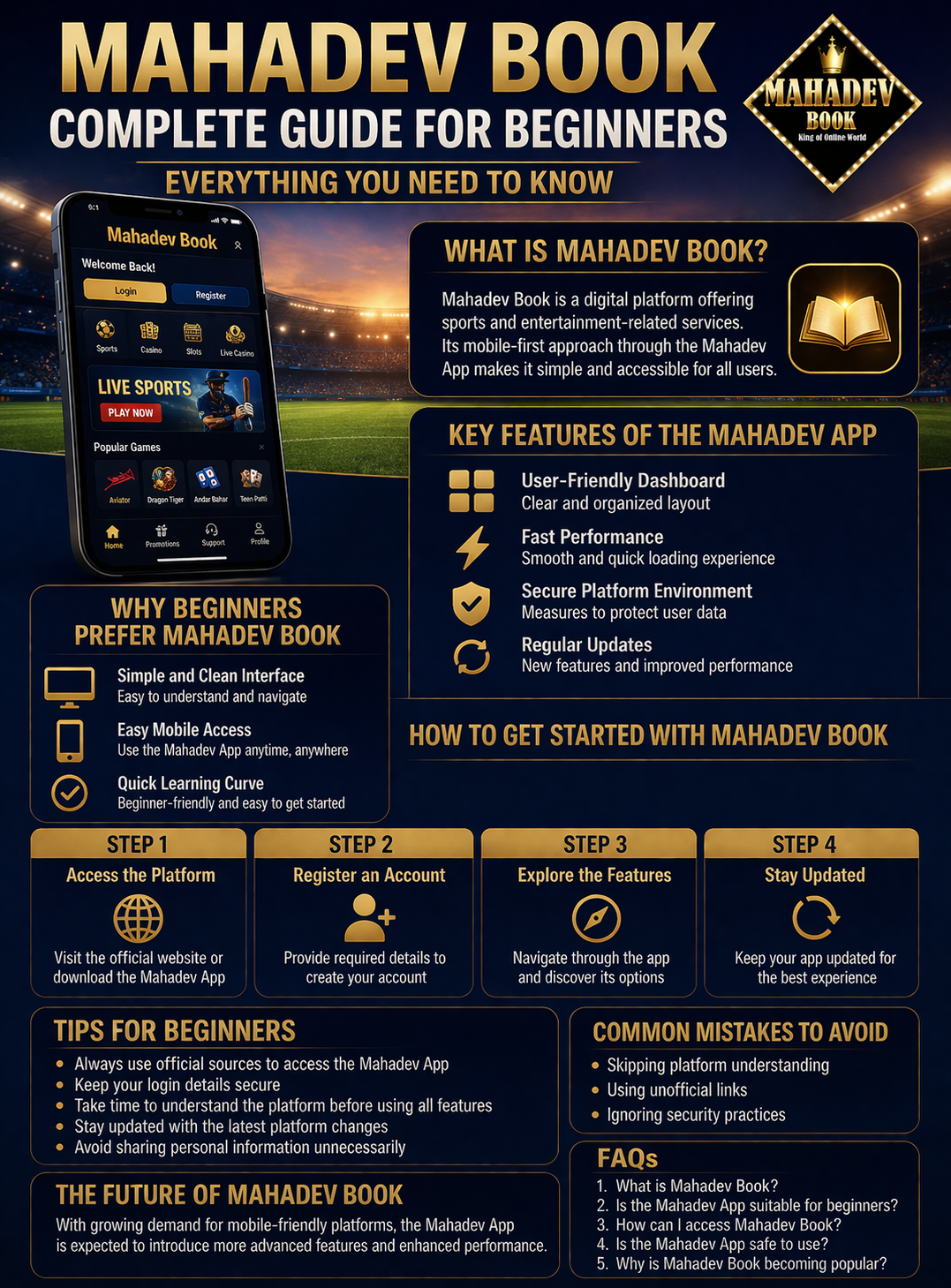
Introduction In today’s fast-growing digital world, users are constantly looking for platforms that are simple, accessible, and easy to understand. With the rise of mobile technology and online platforms, many beginners are exploring new digital services to stay connected with sports and entertainment. One such platform that has gained significant attention is mahadev book. The...
The global gluten-free bakery market is experiencing significant growth, driven by increasing consumer awareness of gluten-related disorders and a rising demand for healthier dietary options. The Gluten-Free Bakery Market was valued at USD 1.4 billion in 2023 and is expected to grow from USD 1.468 billion in 2024 to USD 2.1533 billion by 2032. This growth reflects a compound annual growth rate...

Batman VR, virtual reality gaming, sequel disappointment, Gotham City, gaming industry, VR experiences, video game news, immersive gameplay ## Introduction For many gamers and comic book enthusiasts alike, the original *Batman: Arkham VR* offered an immersive experience that allowed players to step into the shoes of the Dark Knight himself. Released in 2016, it captured the essence of Gotham...