Σχετικά
 Όρους
Όρους
 Ιδιωτικότητα
 Advertisment
 DMCA
DMCA
 Gmaps
Gmaps
 Rewards
 Refunds
 Developers
Emulating SQL FILTER with Oracle JSON Aggregate Functions

How to implement FILTER semantics with Oracle JSON aggregate functions
A cool standard SQL:2003 feature is the aggregate FILTER clause, which is supported natively by at least these RDBMS:
- ClickHouse
- CockroachDB
- DuckDB
- Firebird
- H2
- HSQLDB
- PostgreSQL
- SQLite
- Trino
- YugabyteDB
The following aggregate function computes the number of rows per group which satifsy the FILTER clause:
SELECT
  COUNT(*) FILTER (WHERE BOOK.TITLE LIKE 'A%'),
  COUNT(*) FILTER (WHERE BOOK.TITLE LIKE 'B%'),
  ...
FROM BOOK
This is useful for pivot style queries, where multiple aggregate values are computed in one go. For most basic types of aggregate function, it can be emulated simply by using CASE expressions, because standard aggregate functions ignore NULL values when aggregating. The following is equivalent to the above, in all RDBMS:
SELECT
  COUNT(CASE WHEN BOOK.TITLE LIKE 'A%' THEN 1 END),
  COUNT(CASE WHEN BOOK.TITLE LIKE 'B%' THEN 1 END),
  ...
FROM BOOK
What if we’re aggregating JSON?
Things are a bit different when aggregating JSON. Look at the following example, where we don’t want to count the books, but list them in a JSON array, or object:
SELECT
  JSON_ARRAYAGG(BOOK.TITLE)
    FILTER (WHERE BOOK.LANGUAGE_ID = 1),
  JSON_OBJECTAGG('id-' || BOOK.ID, BOOK.TITLE)
    FILTER (WHERE BOOK.LANGUAGE_ID = 2),
  ...
FROM BOOK
Things are different with these collection aggregate functions, because NULL values are actually interesting there, so we want to list them in the resulting JSON document. Assuming there are books with a NULL title, we might get:
|JSON_ARRAYAGG                |JSON_OBJECTAGG                      |
|-----------------------------|------------------------------------|
|["1984", "Animal Farm", null]|{ "id-4" : "Brida", "id-17" : null }|
This makes emulating the FILTER clause (e.g. on Oracle) much harder, because we cannot just use ABSENT ON NULL like this:
SELECT
  JSON_ARRAYAGG(
    CASE WHEN T_BOOK.LANGUAGE_ID = 1 THEN T_BOOK.TITLE END
    ABSENT ON NULL
  ),
  JSON_OBJECTAGG(
    'id-' || T_BOOK.ID,
    CASE WHEN T_BOOK.LANGUAGE_ID = 2 THEN T_BOOK.TITLE END
    ABSENT ON NULL
  )
FROM T_BOOK;
Because now, the legitimate null titled books are missing and we’re getting this instead:
|JSON_ARRAYAGG         |JSON_OBJECTAGG  |
|----------------------|----------------|
|["1984","Animal Farm"]|{"id-4":"Brida"}|
We cannot use NULL ON NULL either, because that would just turn the FILTER semantics into a mapping semantics, and produce too many values:
|JSON_ARRAYAGG                        |JSON_OBJECTAGG                                                   |
|-------------------------------------|-----------------------------------------------------------------|
|["1984","Animal Farm",null,null,null]|{"id-1":null,"id-4":"Brida","id-3":null,"id-2":null,"id-17":null}|
E.g. while id-3 and id-2 values are NULL because the FILTER emulating CASE expression maps them to NULL, the id-17 value really has a NULL title.
Workaround: Wrap data in an array
As a workaround, we can:
- Wrap legitimate data into an array
- Apply
ABSENT ON NULLto remove rows due to theFILTERemulation - Unwrap data again from the array
For the unwrapping, we’re going to be using JSON_TRANSFORM:
SELECT
  JSON_TRANSFORM(
    JSON_ARRAYAGG(
      CASE
        WHEN T_BOOK.LANGUAGE_ID = 1

        -- Wrap legitimate data into an array, including nulls
        THEN JSON_ARRAY(T_BOOK.TITLE NULL ON NULL)
      END

      -- Remove NULLs due to FILTER emulation
      ABSENT ON NULL
    ),

    -- Unwrap data gain from the array
    NESTED PATH '$[*]' (REPLACE '@' = PATH '@[0]')
  ),

  JSON_TRANSFORM(
    JSON_OBJECTAGG(
      'id-' || T_BOOK.ID,
      CASE
        WHEN T_BOOK.LANGUAGE_ID = 2

        -- Wrap legitimate data into an array, including nulls
        THEN JSON_ARRAY(T_BOOK.TITLE NULL ON NULL)
      END

      -- Remove NULLs due to FILTER emulation
      ABSENT ON NULL
    ),

    -- Unwrap data gain from the array
    NESTED PATH '$.*' (REPLACE '@' = PATH '@[0]')
  )
FROM T_BOOK;
jOOQ support
jOOQ 3.20 will implement the above emulations for:
This way, you can continue to transparently use FILTER on any aggregate function, also in Oracle.
Προωθημένο
Προωθημένο

Προωθημένο
Προωθημένο
Προωθημένο
Προωθημένο
Virtuala FansOnly
CDN FREE
Cloud Convert
Κατηγορίες
Διαβάζω περισσότερα
Ecommerce website Indianapolis - Professional web designers in Indianapolis delivering custom website design, WordPress development, and ecommerce website development for businesses. Building Your Digital Storefront: Ecommerce and WordPress Mastery in Indianapolis In the bustling commercial heart of the Midwest, having a generic online presence just doesn’t cut it anymore. For...

## مقدمة في عالم الألعاب، يعد اختيار كارت الشاشة المناسب أمرًا حاسمًا، خاصةً مع تزايد تطور الألعاب من حيث الرسوميات والتفاصيل. في هذه المراجعة، سنستعرض كارت الشاشة Gigabyte RX 9060 XT GAMING OC 16G، والذي يعد من الخيارات المثيرة للاهتمام في سوق كروت الشاشة. ## التصميم والهيكل يأتي كارت الشاشة Gigabyte RX 9060 XT GAMING OC 16G بتصميم يتسم بالأناقة مع لمسة من العصري. يظهر المظهر الخارجي...

Kurven, Blender, GeoNodes, 3D-Animation, PIXXO 3D, Blender-Tutorial, Kurven erstellen, Kurven animieren, Mesh-Umwandlung ## Einführung in die Welt der Kurven Willkommen zu unserem spannenden Tutorial über die Erstellung, Animation und Kontrolle von Kurven in Blender mithilfe von GeoNodes! Wenn Sie ein aufstrebender 3D-Künstler sind oder einfach nur Ihre kreativen Fähigkeiten erweitern...

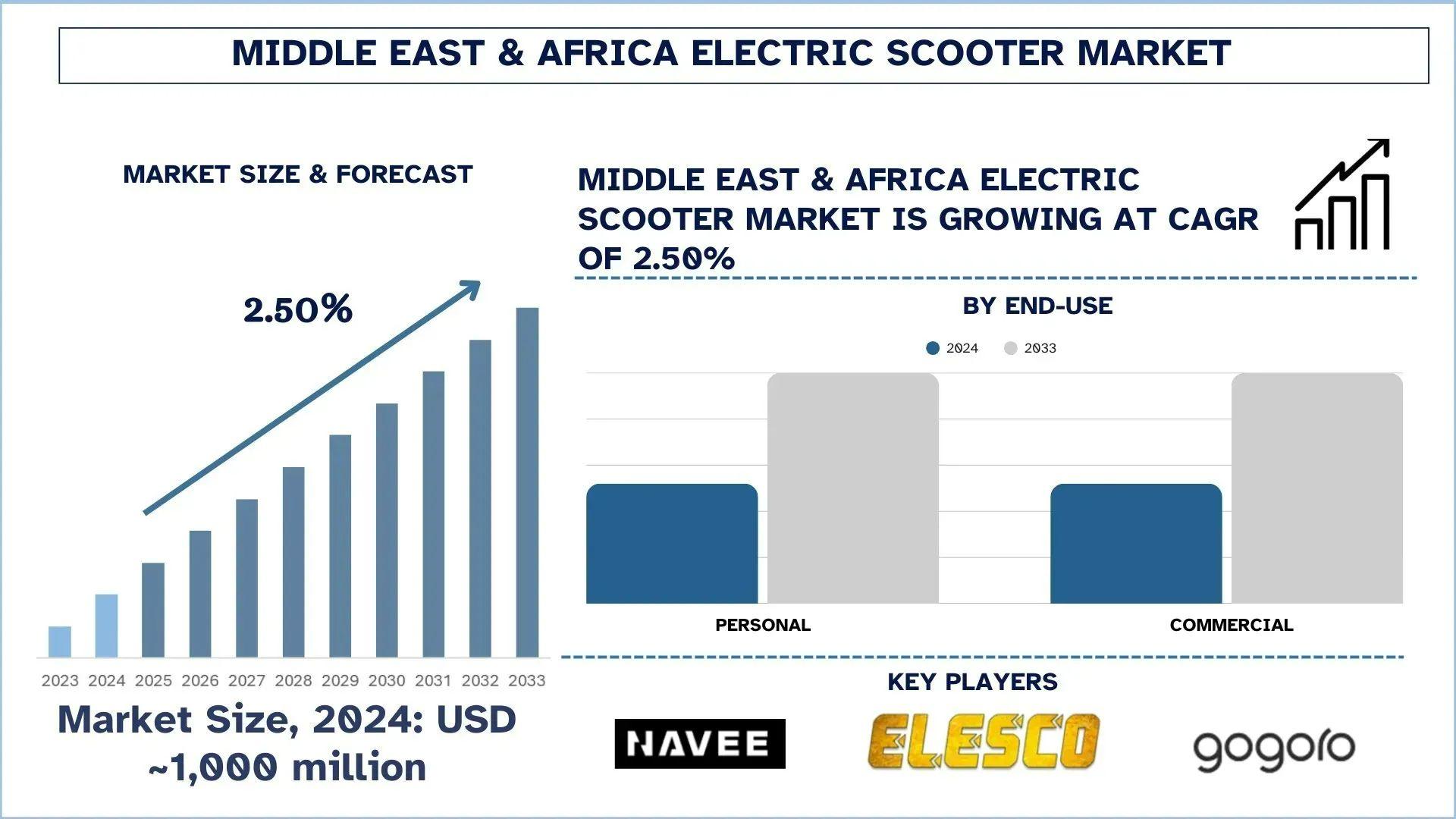
According to a new report by UnivDatos, The Middle East & Africa Electric Scooter Market is expected to reach USD million in 2033 by growing at a CAGR of 2.50% during the forecast period (2025-2033F). MEA electric scooters market is an organized, city-by-city expansion, supported by congestion control, sustainability goals, and the development of short-trip urban mobility....
Introduction Cricket fans across the globe eagerly await the India vs Pakistan Asia Cup 2025 clash, a match that transcends sport and brings unparalleled excitement. Known as one of the fiercest rivalries in cricket, this encounter not only promises thrilling action on the field but also opens up exciting opportunities for fans to engage in live betting with Mahadev Book. The Asia Cup has...