


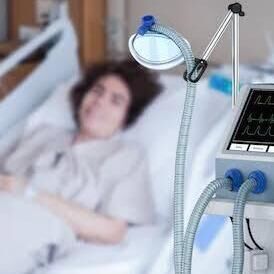
Intravenous (IV) antibiotic therapy is a medical treatment used to deliver antibiotics directly into the bloodstream through a vein. It may be recommended for patients who require specific medications, cannot take oral antibiotics, or have infections that need a particular level of treatment and monitoring. With professional medical supervision, Antibiotics at home in Dubai can provide a convenient treatment option for eligible patients who do not require hospital admission. Through services such as Doctor at Home, patients can receive medical assessments, prescribed IV medication, and professional nursing support in a familiar environment. Understanding how IV antibiotic therapy works, who may need it, and what safety precautions are necessary can help patients and caregivers make informed healthcare decisions.
What Is IV Antibiotic Therapy?
IV antibiotic therapy involves administering prescribed antibiotics directly into a vein using an intravenous line or catheter. Unlike oral medication, which passes through the digestive system, IV antibiotics enter the bloodstream directly and deliver the medicine throughout the body. Doctors may recommend this treatment when a patient has a serious bacterial infection, requires a particular antibiotic formulation, cannot take oral medication, or needs treatment that is not suitable for oral administration. The decision depends on the infection, the patient's overall health, laboratory findings, and available treatment options. IV antibiotics must always be prescribed by a qualified doctor and administered by trained healthcare professionals using appropriate medical equipment.
Why Do Patients Need IV Antibiotics at Home?
Some patients require IV antibiotic treatment but are medically stable enough to receive it outside a hospital. Home-based IV therapy may be considered when the infection requires intravenous medication, the patient does not need continuous hospital monitoring, and suitable nursing support is available. It can be particularly helpful for individuals recovering from certain infections or continuing treatment after hospital discharge. Patients who cannot tolerate oral antibiotics or have difficulty swallowing medication may also benefit when their doctor determines that IV treatment is necessary. However, not every infection requires intravenous medication, and home therapy should only begin after a thorough clinical assessment and an appropriate treatment plan.
Common Infections That May Require IV Antibiotic Treatment:
IV antibiotics may be prescribed for selected bacterial infections that require intravenous medication or closer clinical supervision. The specific treatment depends on the bacteria involved, infection severity, laboratory results, and the patient's medical history. Examples of conditions that may sometimes require IV antibiotics include:
-
Pneumonia: Certain bacterial pneumonia cases may require IV medication, depending on severity and clinical circumstances.
-
Skin and soft tissue infections: Severe cellulitis and complicated skin infections may require intravenous treatment.
-
Bone and joint infections: Some infections affecting bones or joints need prolonged antibiotic therapy.
-
Bloodstream infections: These require urgent medical assessment and may involve hospital-based treatment initially.
-
Complicated urinary tract infections: Selected cases may require IV antibiotics based on the patient's condition.
-
Post-surgical infections: Certain bacterial infections following surgery may require intravenous medication alongside other treatment.
A doctor must determine whether IV antibiotics are appropriate and whether the patient can safely continue treatment at home.
How IV Antibiotic Therapy Is Administered at Home:
Home IV antibiotic therapy follows a carefully planned medical process designed to ensure correct medication administration and patient safety. Before treatment begins, the doctor reviews the prescription, confirms the required dosage, and determines the appropriate intravenous access method. A qualified nurse then prepares the medication and administers it using suitable equipment and infection-control procedures. Depending on the prescribed treatment, the patient may receive medication through a peripheral IV cannula or another appropriate vascular access device. Nurses monitor the patient during administration and observe the access site for redness, swelling, pain, or leakage. They also document the treatment and communicate any concerns to the supervising healthcare professional.
The Role of Doctors and Nurses in Home IV Therapy:
Doctors and nurses work together to ensure that IV antibiotic treatment is appropriate, effective, and safely managed. Doctors evaluate the infection, review laboratory results, select the antibiotic, and determine the dosage and treatment duration. They also decide whether the patient's condition is suitable for home-based therapy and arrange follow-up assessments. Qualified nurses are responsible for administering prescribed medication, maintaining IV access according to clinical instructions, monitoring vital signs when required, and identifying possible adverse reactions. They also educate patients and caregivers about medication precautions and signs of complications. This coordinated approach helps maintain continuity of care while ensuring that any changes in the patient's condition are communicated promptly.
Benefits of Receiving IV Antibiotics at Home:
For medically suitable patients, home IV antibiotic therapy can offer several practical advantages compared with repeated visits to a healthcare facility. Receiving prescribed treatment at home allows patients to rest in familiar surroundings while continuing their recovery under professional supervision. It may also reduce travel difficulties for elderly individuals, people with limited mobility, and patients recovering after hospital discharge. Family members can remain involved in daily care, while scheduled nursing visits help ensure that medication is administered correctly. Other potential benefits include:
-
Greater comfort and privacy during treatment.
-
Reduced need for repeated hospital visits.
-
Convenient access to prescribed IV medication.
-
Professional nursing assistance with medication administration.
-
Personalized monitoring and follow-up support.
-
More opportunities for family involvement in recovery.
These benefits depend on the patient's medical stability, the infection being treated, and the availability of appropriate home healthcare services.
Safety Precautions During Home IV Antibiotic Treatment:
Safety is essential whenever medication is administered intravenously because complications can develop at the IV access site or as a reaction to the antibiotic. Healthcare professionals must follow strict hand hygiene, use appropriate sterile equipment, and maintain proper medication-handling procedures. Patients and caregivers should avoid touching or adjusting IV equipment unless specifically instructed by a qualified professional. The access site should be monitored for redness, swelling, pain, warmth, discharge, or leakage. Patients should also inform their healthcare provider about previous medication allergies and all medicines they currently take. Important safety considerations include:
-
Never administer IV antibiotics without appropriate professional training.
-
Follow the prescribed medication schedule.
-
Keep the IV access site clean and protected.
-
Do not adjust the infusion rate independently.
-
Report pain, swelling, redness, or leakage around the access site.
-
Inform the healthcare provider about unexpected side effects.
-
Attend all scheduled monitoring and follow-up appointments.
Any suspected serious complication requires prompt medical assessment.
Possible Side Effects and Complications of IV Antibiotics:
Like other medicines, IV antibiotics can cause side effects, and some complications are related to intravenous administration. Common medication-related reactions may include nausea, diarrhoea, abdominal discomfort, and skin rashes. Some patients may experience irritation or inflammation around the IV access site. More serious reactions can include severe allergic responses, kidney-related complications with certain antibiotics, or antibiotic-associated diarrhoea. Warning signs such as difficulty breathing, facial or throat swelling, fainting, or a rapidly developing severe rash require immediate emergency care. Patients should also report persistent diarrhoea, reduced urine output, or worsening symptoms to their healthcare provider. Regular monitoring helps identify potential problems and supports timely medical intervention.
Monitoring Recovery During IV Antibiotic Therapy:
Monitoring helps healthcare professionals determine whether IV antibiotic treatment is producing the expected response. Doctors may assess fever, pain, swelling, breathing symptoms, wound appearance, and other indicators depending on the infection. Blood tests and other laboratory investigations may be recommended to evaluate treatment effectiveness or monitor possible medication-related complications. Patients with certain conditions may need kidney function tests or additional blood monitoring during prolonged antibiotic therapy. Nurses can also observe the IV access site and document any concerns during scheduled visits. If symptoms worsen or the infection does not improve, the doctor may reconsider the diagnosis, request further investigations, or modify the treatment plan. Patients should never change their medication independently.
Who Is Suitable for Home IV Antibiotic Therapy?
Home IV antibiotic therapy is generally considered for patients who require intravenous medication but are sufficiently stable to receive treatment outside a hospital. A suitable patient should have an appropriate medical assessment, a clear treatment plan, access to trained healthcare professionals, and a reliable system for monitoring complications. Some patients with complex infections, weakened immune systems, or additional medical conditions may require closer supervision. Individuals with suspected sepsis, unstable vital signs, severe breathing difficulties, or rapidly worsening infections may need emergency hospital care instead. The final decision should always be made by the treating doctor after considering the patient's health, infection severity, and available medical support.
Final Thoughts
IV antibiotic therapy at home can be a useful treatment option for patients who need intravenous medication but do not require continuous hospital care. With an appropriate prescription, qualified nursing support, proper infection-control practices, and regular monitoring, eligible patients can receive treatment in a comfortable home environment. However, IV antibiotics require careful administration and should never be managed without professional supervision. Patients considering Antibiotics at home in Dubai should consult qualified healthcare providers to determine whether this treatment is suitable for their condition. A personalized medical plan and timely follow-up can help support safe treatment and a smoother recovery.














