


Introduction
In the fast-paced world of logistics and warehousing, every second counts. Loading and unloading bays are the busiest points in any supply chain operation, and inefficiencies here can create bottlenecks that ripple across your entire business. This is where the hydraulic dock leveler becomes an indispensable asset. Designed to bridge the gap between the warehouse floor and the delivery truck, this powerful equipment ensures smooth, safe, and rapid material transfer.
For businesses aiming to scale their operations without compromising safety, investing in the right loading dock equipment is not just an upgrade—it’s a necessity. By integrating advanced hydraulic technology, warehouses can significantly reduce turnaround times and protect their workforce from common loading-related injuries.
What is a Hydraulic Dock Leveler?
A hydraulic dock leveler is a mechanical platform installed at the loading dock. It uses hydraulic power to raise, lower, and adjust the platform to match the varying heights of truck beds. Unlike mechanical or manual levelers, the hydraulic variant offers superior lifting capacity, smoother operation, and enhanced durability.
-
Smooth Operation: Hydraulic systems provide seamless transitions, reducing jolts during loading.
-
High Weight Capacity: Built to handle heavy loads, these levelers support heavy-duty forklifts and pallet trucks.
-
Versatility: They adapt to a wide range of trailer heights, ensuring compatibility with diverse fleets.
Key Benefits for Warehouse Efficiency
1. Boosted Loading Speed
Time is money in logistics. A hydraulic dock leveler allows forklift operators to drive on and off trailers effortlessly, eliminating the delays caused by manual ramp adjustments. This direct access reduces loading cycles by minutes per truck, cumulatively saving hours daily.
2. Enhanced Safety Standards
Safety is a critical concern in material handling. Hydraulic dock levelers feature non-slip surfaces and automatic safety legs that lock the platform in place if the truck pulls away unexpectedly. This dual protection minimizes the risk of falls, forklift tip-overs, and product damage, fostering a safer workplace.
3. Reduced Product and Equipment Damage
A stable, level platform prevents the bumps and misalignments that damage goods and stress forklift components. This extends the lifespan of both your inventory and your handling equipment, lowering long-term operational costs.
4. Ergonomic Benefits for Operators
Minimizing manual labor and vibration reduces operator fatigue. A smooth transition between dock and truck means less jarring for the driver, leading to better focus and fewer accidents.
Features to Look For in a Quality Leveler
When selecting this equipment for your facility, focus on these critical features to ensure maximum ROI:
-
Durable Steel Construction: High-tensile steel ensures longevity under constant heavy use.
-
High-Visibility Safety Barriers: Yellow paint and reflective strips alert personnel to the dock edge.
-
Maintenance-Friendly Design: Easily accessible components simplify routine checks and repairs.
-
Weather Seals: Keeps out dust, rain, and pests, maintaining a clean warehouse environment.
Integrating with Your Material Handling Ecosystem
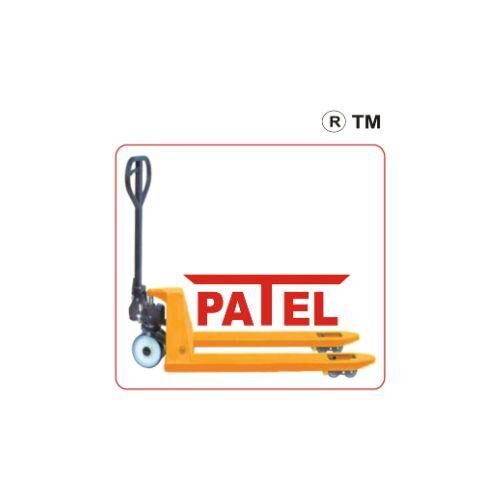
The true power of a hydraulic dock leveler is realized when it’s integrated with other high-performance equipment. For instance, heavy-duty platform trucks and reliable pallet trucks are essential partners at the dock. When these tools work in harmony, they create a seamless workflow from truck to storage.
Optimize Your Workflow
-
Unload: Use a hydraulic dock leveler to provide a stable bridge.
-
Transport: Move goods using high-capacity platform trucks.
-
Store: Place items efficiently with precision hand pallet trucks.
This synergy reduces handling time, lowers labor costs, and significantly improves overall equipment effectiveness (OEE). Companies like Patel Material have championed this integrated approach, emphasizing that quality in every component of the material handling chain is vital for total customer satisfaction and operational excellence.
Safety and Maintenance Protocols
To ensure your dock leveler continues to perform safely and efficiently:
-
Daily Inspections: Check hydraulic fluid levels and hoses for wear.
-
Load Testing: Regularly test the weight capacity to prevent overloading.
-
Cleanliness: Keep the pit and platform clear of debris to maintain smooth operation.
By adhering to these practices, you extend the life of your equipment and prevent costly downtime.
Conclusion
Upgrading to a hydraulic dock leveler is a strategic decision that pays dividends in speed, safety, and savings. It is a cornerstone technology for any warehouse looking to compete in the modern economy.
By choosing robust, well-engineered solutions from reputable manufacturers, you invest in the reliability and efficiency that define a world-class supply chain. Elevate your loading dock operations today to unlock new levels of productivity and peace of mind.

 English
 Arabic
 French
 Spanish
 Portuguese
 Deutsch
 Turkish
 Dutch
Dutch
 Italiano
 Russian
 Romaian
 Portuguese (Brazil)
 Greek
Greek
 Hrvatski