

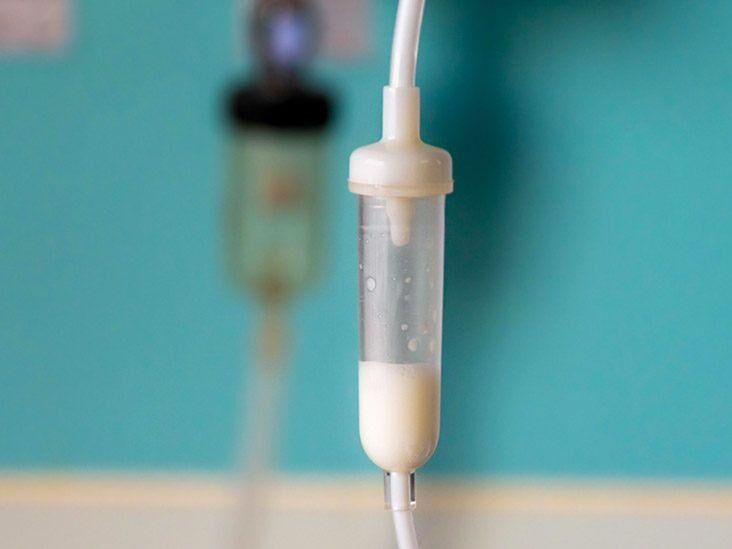
Preparing a home for someone who requires nutritional support through a feeding tube involves careful planning, proper equipment, and a clean, comfortable environment. Patients who cannot swallow safely or consume enough food because of illness, surgery, or neurological conditions may depend on tube feeding to meet their nutritional needs. Choosing Tube feeding at home in Dubai allows eligible patients to receive prescribed nutritional support in familiar surroundings with assistance from qualified healthcare professionals. A Doctor at Home service can help assess the patient's condition and guide families on appropriate care arrangements. By organising the home in advance, caregivers can make daily feeding routines safer, more convenient, and less stressful.
Understand the Patient's Tube Feeding Requirements:
Before preparing the home, families should understand the patient's medical needs and the feeding plan prescribed by the healthcare team. Different feeding tubes, including nasogastric (NG), gastrostomy (G-tube), jejunostomy (J-tube), and gastrojejunostomy (GJ) tubes, require different handling and care procedures. The doctor or dietitian determines the appropriate formula, feeding volume, schedule, delivery method, and flushing instructions. Caregivers should also understand whether the patient requires a feeding pump, regular assistance with positioning, or additional monitoring because of other medical conditions. Having a clear understanding of these requirements helps families identify the supplies, space, and professional support needed before feeding begins.
Create a Clean and Dedicated Feeding Area:
A designated feeding area helps caregivers organise supplies and maintain hygiene during daily feeding procedures. Choose a clean, well-lit surface away from household clutter, dust, pets, and food preparation activities. The area should provide enough space for the prescribed formula, feeding syringes, pump equipment, water for flushing, and cleaning supplies. Keep frequently used items within easy reach without overcrowding the surface. Clean the area regularly and make sure it is convenient for the caregiver to work without pulling or disturbing the patient's feeding tube. A dedicated setup also helps family members follow a consistent routine and reduces the likelihood of misplacing essential equipment.
Arrange Essential Tube Feeding Supplies:
Having the correct supplies available makes home tube feeding easier to manage and reduces interruptions during scheduled feeding sessions. Families should consult the healthcare team before purchasing equipment because requirements vary according to the tube type and feeding method. Common supplies may include:
-
Prescribed enteral nutrition formula.
-
Feeding syringes and compatible connectors.
-
Feeding pump and administration sets, if required.
-
Clean containers for formula preparation when applicable.
-
Water for flushing, as directed by the healthcare professional.
-
Appropriate cleaning materials and disposable gloves when recommended.
-
Tube securement supplies and dressings, if prescribed.
-
A written feeding schedule and patient care instructions.
Check expiry dates, inspect equipment for damage, and replace supplies according to manufacturer and clinical guidance. Avoid using homemade feeding mixtures or unapproved equipment.
Organise Safe Storage for Formula and Equipment:
Proper storage is important for maintaining the quality of feeding formula and keeping equipment clean. Follow the manufacturer's instructions for storing unopened and opened formula, including refrigeration requirements and recommended usage periods. Do not use products beyond their expiry dates or formula that appears damaged, contaminated, or unsuitable. Feeding equipment should be stored in a clean, dry, designated area away from direct sunlight, moisture, and household chemicals. Keep sterile or single-use items in their original packaging until needed. Families should also ensure that children and pets cannot access feeding supplies. Clear labels and organised storage containers can help caregivers identify the correct products and avoid confusion during busy care routines.
Prepare a Comfortable Space for Patient Positioning:
The patient's feeding area should support safe positioning and physical comfort. Depending on the patient's condition and clinical instructions, an adjustable bed or supportive chair may help maintain the recommended upper-body elevation during feeding. Pillows can provide additional support, but they should not press against the feeding tube or insertion site. Make sure the bed or chair allows caregivers to assist with positioning without pulling the tubing. Patients who have limited mobility may also require suitable support for regular repositioning and skin care. The healthcare team should demonstrate the recommended positioning technique because individual needs vary. A comfortable setup can make feeding sessions more manageable and support the patient's dignity.
Maintain Hygiene and Infection Prevention at Home:
Good hygiene is essential when handling feeding tubes, formula, and related equipment. Prepare a convenient handwashing area with soap and clean water, and encourage every caregiver to wash their hands before and after feeding procedures. Keep clean supplies separate from used equipment, and follow instructions for cleaning or replacing reusable feeding accessories. The skin around an external feeding tube should be cleaned and dried according to the healthcare professional's guidance. Avoid applying creams, powders, or antiseptics unless specifically recommended. Families should also keep the patient's bedding and clothing clean and change them when necessary. These precautions help reduce contamination risks and protect the skin around the tube site.
Establish a Clear Daily Feeding Routine:
A consistent feeding routine helps caregivers manage the patient's nutritional needs and monitor how well feeding is tolerated. The prescribed plan may involve bolus feeding, intermittent feeding, or continuous delivery through a pump. Families should display a written schedule in an accessible place and record feeding times, formula quantities, and any unusual symptoms. Important points to include are:
-
The prescribed formula and amount for each session.
-
Feeding times and the recommended administration rate.
-
Instructions for using the feeding pump, if applicable.
-
Tube flushing instructions before and after feeding.
-
Medication administration guidance provided by the doctor or pharmacist.
-
Contact details for the treating healthcare team.
Never adjust the feeding amount, formula, or rate independently. Any changes should be discussed with the appropriate healthcare professional.
Prepare for Tube Feeding Problems and Emergencies:
Caregivers should know how to recognise common complications and what actions to take if something goes wrong. Problems may include nausea, vomiting, bloating, diarrhoea, constipation, tube blockage, leakage, or irritation around the insertion site. Keep the healthcare provider's contact information and written instructions in an easily accessible location. Families should understand that a blocked tube must not be forced open and a displaced tube should not be reinserted by an untrained person. A newly displaced gastrostomy tube requires prompt medical assessment. Seek urgent medical attention if the patient develops breathing difficulty, choking, severe abdominal pain, significant bleeding, or sudden deterioration. Preparation helps families respond promptly without attempting unsafe procedures.
Train Family Members and Caregivers:
More than one family member may need to understand the patient's tube feeding routine, particularly when care is provided throughout the day. Professional nurses can demonstrate equipment handling, formula administration, hygiene procedures, positioning, and basic observation techniques. Caregivers should have opportunities to ask questions and practise appropriate tasks under supervision before managing them independently. They should also understand which responsibilities require a trained professional and when medical advice is necessary. Keeping written instructions near the feeding area can help prevent misunderstandings when different family members provide care. Proper training builds confidence and promotes continuity when the main caregiver is unavailable.
Arrange Professional Home Nursing Support:
Some patients require regular nursing assistance because of complex medical needs, limited mobility, or long-term dependence on tube feeding. Qualified nurses can help families follow the prescribed feeding plan, monitor the tube site, assess patient comfort, and recognise warning signs. They can also communicate concerns to the treating doctor and reinforce caregiver training. For patients receiving Tube feeding at home in Dubai, professional home healthcare services can provide support in a familiar environment while reducing the pressure on family caregivers. Before selecting a provider, confirm that the service uses appropriately qualified staff, follows safe equipment-handling procedures, and has a clear process for responding to complications.
Final Thoughts
Preparing your home for a patient who requires tube feeding involves more than arranging medical supplies. Families need a clean feeding area, appropriate storage, comfortable positioning, clear feeding instructions, and a plan for managing possible complications. Training and professional nursing support are equally important for maintaining safe and consistent care. By working closely with doctors, dietitians, and qualified nurses, caregivers can create a supportive home environment that prioritises the patient's nutrition, comfort, dignity, and overall wellbeing.














