

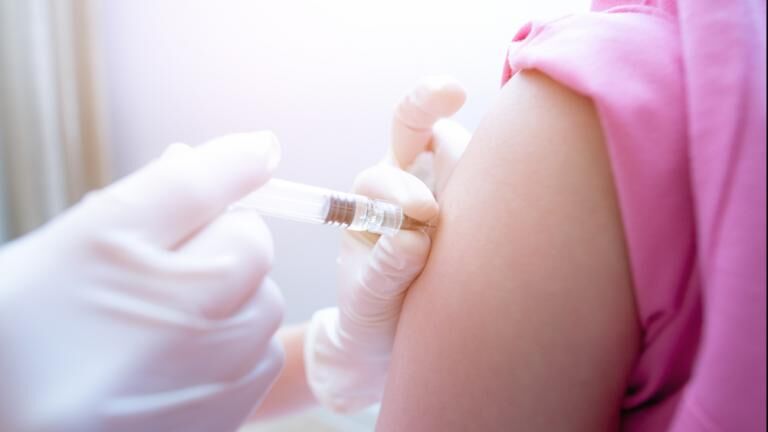

Human Papillomavirus (HPV) vaccination is often associated with teenagers, but adults who missed vaccination earlier may still have options for protection. The vaccine helps prevent infections caused by specific HPV types linked to cervical cancer, other cancers, and genital warts. With convenient healthcare options such as HPV Vaccine at Home in Dubai, eligible adults can explore professional vaccination services without necessarily visiting a medical facility. A qualified healthcare professional or Doctor at Home can review medical history, explain age-based recommendations, and help determine whether vaccination may be beneficial.
What Is the HPV Vaccine and Why Is It Important for Adults:
The HPV vaccine helps the immune system develop protection against selected types of Human Papillomavirus. HPV is a common virus that can affect the genital area, mouth, and throat, and many infections occur without noticeable symptoms. While the immune system clears many infections naturally, persistent infection with certain high-risk types can contribute to cancers of the cervix, anus, penis, vagina, vulva, and oropharynx. Some HPV types can also cause genital warts. Although vaccination is most effective before exposure to HPV, adults may still benefit if they have not encountered all the HPV types covered by the vaccine.
Can Adults Receive the HPV Vaccine:
Yes, adults can receive the HPV vaccine if they meet the relevant age and medical recommendations. Catch-up vaccination is generally recommended for people through age 26 who were not adequately vaccinated earlier. Adults aged 27 to 45 may also consider vaccination after discussing the possible benefits with a healthcare professional. This is because the expected benefit varies from person to person, depending on previous HPV exposure, vaccination history, and the possibility of future exposure. The vaccine does not treat an existing HPV infection, but it may help prevent new infections from HPV types that the individual has not previously encountered.
HPV Vaccine Age Recommendations for Adults:
Age is an important factor when determining HPV vaccine eligibility. The routine vaccination schedule is designed primarily for younger people, but adults who missed earlier doses can discuss catch-up options. General recommendations include:
-
Through age 26: Catch-up vaccination is generally recommended for individuals who have not completed the HPV vaccine series.
-
Ages 27 to 45: Some adults may benefit from vaccination following shared decision-making with a healthcare professional.
-
Over age 45: HPV vaccination is not routinely recommended under current standard guidance because the vaccine is not licensed for this age group in many countries.
Local licensing and vaccination policies may differ, so adults should confirm availability and eligibility with a qualified healthcare provider.
Why HPV Vaccination Is Most Effective at a Younger Age:
The HPV vaccine provides the strongest benefit when administered before exposure to the virus. This is why routine vaccination is recommended around ages 11 to 12 and can begin at age nine. Younger individuals generally have a strong immune response to the vaccine and are more likely to receive protection before potential exposure. Adults may already have encountered one or more HPV types, reducing the additional benefit they can receive. However, previous exposure to one type does not necessarily mean exposure to every type covered by the vaccine. This is why some adults may still benefit after an individual assessment.
Who May Benefit From HPV Vaccination as an Adult:
Adults who have not completed HPV vaccination may want to discuss their eligibility with a healthcare professional, particularly if they could be exposed to HPV types they have not previously encountered. The potential benefit depends on individual circumstances rather than marital status or assumptions about past exposure. Adults who have new sexual partners in the future may have a greater chance of encountering new HPV types than those in long-term mutually monogamous relationships. People with certain immune system conditions may also need a specific three-dose schedule. A healthcare professional can consider vaccination history, age, health status, and personal circumstances before recommending vaccination.
How Many HPV Vaccine Doses Do Adults Need:
Adults who begin HPV vaccination at age 15 or older generally require three doses. These are commonly administered over approximately six months, following the recommended schedule for the specific vaccine. Individuals who started vaccination before age 15 and received the appropriate two-dose schedule may not need additional doses. Those with certain weakened immune systems generally require three doses, even if they began vaccination at a younger age. If an adult has missed a scheduled dose, the series usually does not need to be restarted. A healthcare professional can review previous vaccination records and confirm the correct timing for remaining doses.
Benefits of HPV Vaccination for Adult Health:
Although vaccination is most effective during adolescence, eligible adults may still gain protection against HPV types they have not encountered. The vaccine helps prevent infections associated with several cancers and, depending on the vaccine, genital warts. Its benefits are preventive and do not include treating an existing infection or reversing related health changes. Potential benefits include:
-
Reducing the risk of infection from covered high-risk HPV types.
-
Helping prevent certain HPV-related cancers.
-
Protecting against HPV types that cause most genital warts when included in the vaccine.
-
Supporting long-term preventive healthcare.
-
Offering protection against additional HPV types an individual may not have previously encountered.
Adults should understand that vaccination does not replace recommended cervical screening or medical evaluation of symptoms.
Is the HPV Vaccine Safe for Adults:
The HPV vaccine has been extensively studied and is used in vaccination programmes worldwide. Most side effects are mild and temporary. Adults may experience pain, redness, or swelling at the injection site, headache, mild fever, tiredness, or muscle discomfort. Dizziness or fainting can occasionally occur shortly after an injection, so patients may be advised to remain seated for approximately 15 minutes after vaccination. Serious allergic reactions are rare. Adults should inform the healthcare professional about previous severe allergic reactions, known allergies, medical conditions, and pregnancy. HPV vaccination is generally postponed during pregnancy, although remaining doses can usually be given after pregnancy.
Does the HPV Vaccine Treat an Existing HPV Infection:
No. The HPV vaccine prevents new infections from the HPV types it covers but does not treat an infection that is already present. It also cannot remove genital warts, reverse abnormal cervical cell changes, or treat HPV-related cancers. Adults who have tested positive for HPV should follow their healthcare professional's recommendations for monitoring, screening, or treatment. Having had an HPV infection does not automatically mean that vaccination offers no benefit, because an individual may not have encountered every type included in the vaccine. A healthcare professional can explain whether vaccination is appropriate based on the person's age and circumstances.
How to Arrange HPV Vaccination at Home in Dubai:
Adults considering HPV Vaccine at Home in Dubai should select a qualified healthcare provider that follows appropriate medical and vaccine-handling standards. A home appointment can offer convenience, but the service should include a proper eligibility assessment, safe vaccine storage, professional administration, and accurate documentation. Before booking, adults should:
-
Confirm that the vaccine is available and appropriate for their age.
-
Share previous vaccination records and relevant medical history.
-
Inform the provider about allergies and pregnancy.
-
Ask which HPV vaccine is being administered and which types it covers.
-
Confirm that cold-chain storage and transportation requirements are followed.
-
Understand the required doses and follow-up schedule.
Patients should receive clear aftercare instructions and know how to contact the provider if they experience an unexpected reaction.
HPV Vaccination and Regular Health Screening:
Receiving the HPV vaccine does not remove the need for recommended health screenings. The vaccine does not protect against every HPV type associated with cervical cancer, so individuals with a cervix should continue following screening guidance based on age, medical history, and local recommendations. Adults should also seek medical advice if they experience unusual symptoms, such as persistent genital discomfort, unexplained bleeding, or other concerning changes. Vaccination helps prevent certain infections, while screening identifies possible changes that may require further assessment. Combining these preventive measures supports a more complete approach to long-term health.
Final Thoughts
Adults can still receive the HPV vaccine, particularly if they missed vaccination during adolescence. Catch-up vaccination is generally recommended through age 26, while adults aged 27 to 45 may consider it after an individual discussion with a healthcare professional. The potential benefit depends on age, previous vaccination, and the likelihood of future HPV exposure. Although the vaccine cannot treat an existing infection, it may protect against HPV types a person has not encountered. Professional services such as HPV Vaccine at Home in Dubai can make vaccination more convenient for eligible adults while supporting appropriate medical assessment and safe administration.














