

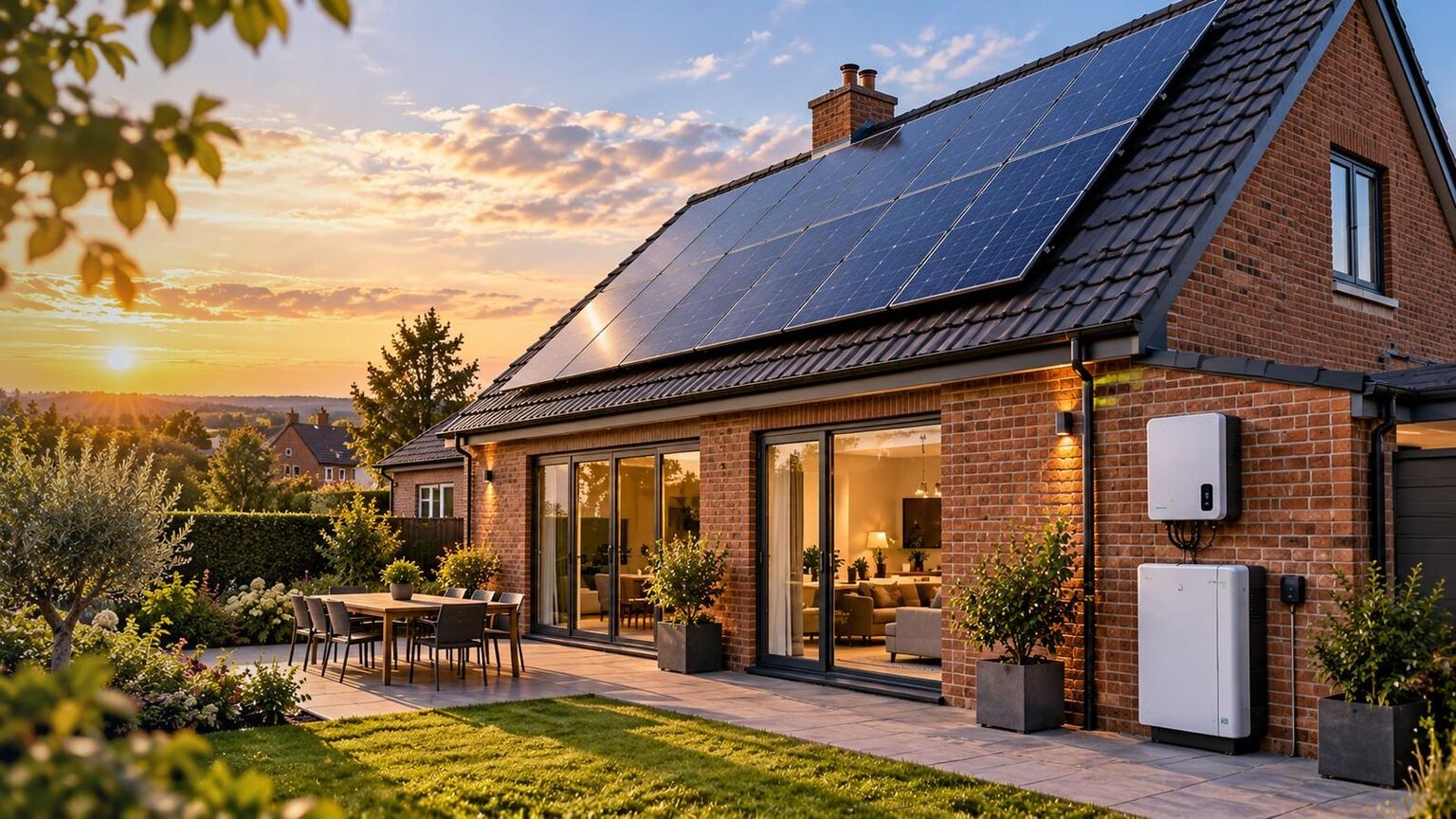

A common question from UK homeowners is whether rooftop solar panels can keep the lights on during an electricity outage. Solar generation feels independent, but most ordinary grid-connected systems stop supplying the home when the electricity network goes down.
Before choosing a solar installation company, it is worth understanding the difference between everyday solar electricity generation and a purpose-designed backup power system.
Why Do Standard Solar Systems Shut Down?
A typical grid-tied inverter is designed to stop feeding electricity into the network when grid power is unavailable. This protective function, often called anti-islanding, helps prevent electricity from being sent onto lines that may be under repair.
As a result, an ordinary solar PV installation usually cannot keep household sockets running through a power cut, even if the panels are receiving strong sunlight.
Does Adding a Battery Solve the Problem?
Not automatically. A battery stores electrical energy, but many grid-connected battery systems also need specific backup functionality, switching equipment and wiring to operate safely without the grid.
Some systems offer an emergency power supply or dedicated backup circuit, while others can supply selected household loads through an appropriately configured changeover system.
Ask the installer to demonstrate exactly which circuits will work, what equipment is included and whether backup operation is manual or automatic.
Can Solar Panels Recharge a Battery During an Outage?
Certain compatible systems can continue producing solar electricity and recharge storage while operating in backup mode. Others cannot do so without grid power.
The answer depends on the inverter, battery, electrical design and manufacturer's supported operating modes. Never assume this feature is included simply because a quotation contains both panels and a battery.
How Much Backup Electricity Might You Need?
Start with essential loads, such as lighting, refrigeration, broadband and charging small devices. Heating, electric ovens and other high-power appliances can exhaust battery capacity much faster.
A backup design should consider both the energy stored in kilowatt-hours and the maximum power the system can deliver at once.
Questions to Ask Before Buying
Confirm the backed-up circuits, expected runtime, battery usable capacity, emergency switching, safety certification and any extra installation costs.
If keeping medical equipment powered is essential, obtain specialist advice and maintain a separate, appropriate emergency plan.
Final Thoughts
Solar panels are useful for generating renewable electricity, but backup power requires deliberate system design. A standard solar installation should never be described as providing blackout protection without confirming the necessary capabilities.
Eco Energy Services can discuss solar and battery options during a tailored property assessment. Ask specifically about backup compatibility and installation requirements before choosing equipment.














