

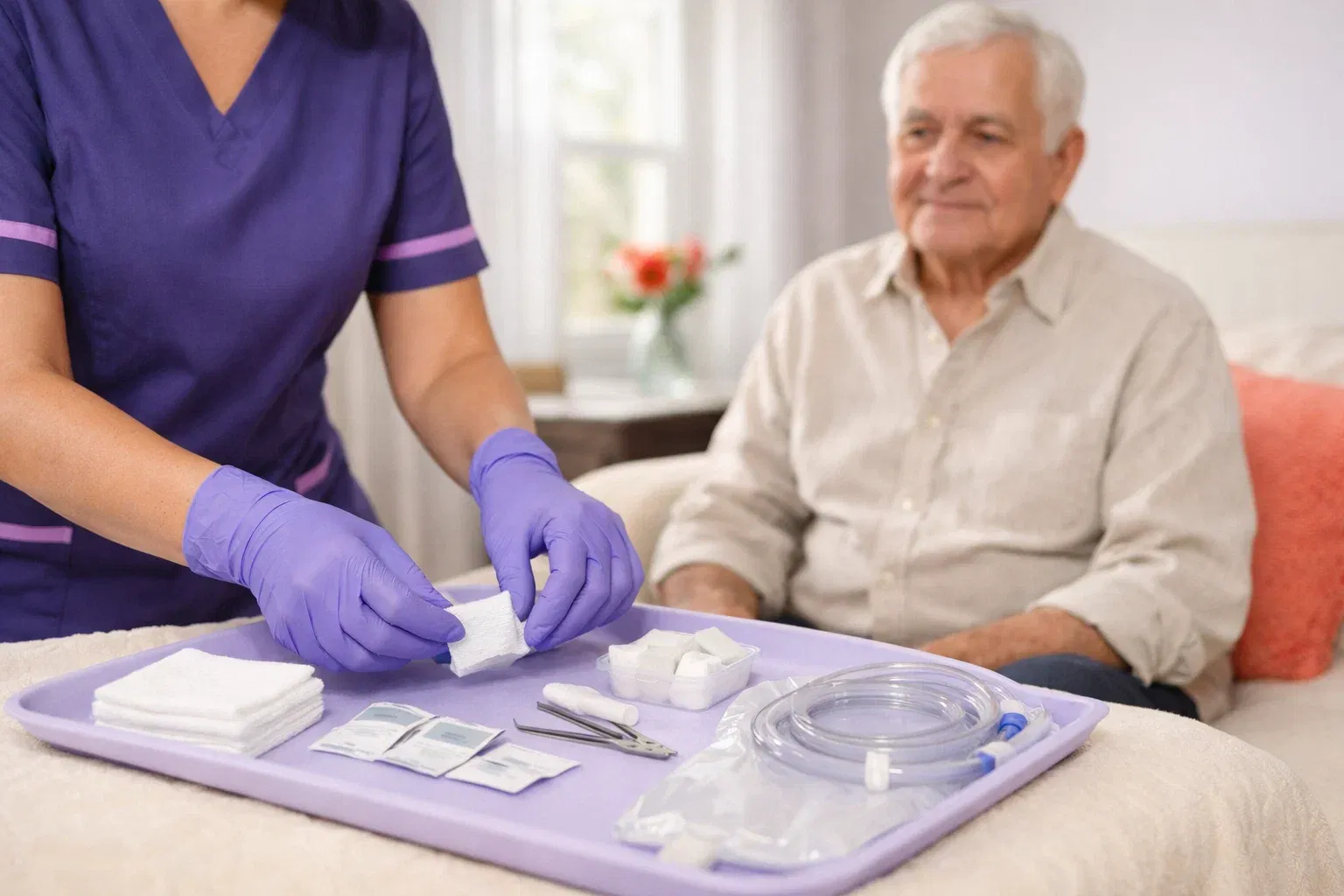
Preventing catheter-associated urinary tract infections (CAUTIs) is an important part of maintaining the health and comfort of patients who depend on urinary catheters. Proper hygiene, careful equipment handling, and regular monitoring can significantly reduce the risk of complications. Catheter Care at Home Dubai provides patients and families with access to professional healthcare guidance and assistance in a familiar environment. With support from trained nurses and services such as Doctor at Home, patients can learn effective infection prevention practices and maintain a safer daily care routine. Whether a catheter is required after surgery, because of urinary retention, or due to a long-term medical condition, understanding how to prevent infections is essential for both patients and caregivers.
What Is a Catheter-Associated Urinary Tract Infection:
A catheter-associated urinary tract infection occurs when bacteria enter the urinary system through or around a urinary catheter and cause an infection. A catheter is a flexible tube inserted into the bladder to drain urine when a patient cannot empty their bladder naturally. Although it provides essential support for individuals with certain medical conditions, prolonged catheter use can increase the risk of bacterial contamination. Symptoms may include fever, chills, lower abdominal discomfort, back pain, and changes in urine appearance. Some patients, particularly older adults, may experience new or worsening confusion. Understanding the causes and warning signs of CAUTIs helps caregivers take preventive measures and seek medical attention when necessary.
Why Catheter Hygiene Is Essential for Infection Prevention:
Proper catheter hygiene plays a major role in reducing the possibility of bacterial contamination. The catheter and drainage system require careful handling because bacteria can enter through contaminated hands, equipment, or unnecessary disconnections. Maintaining cleanliness around the insertion site, keeping the drainage bag in the correct position, and following professional instructions help protect the urinary system. Patients and caregivers should also understand that routine cleaning does not eliminate every infection risk. Regular medical assessments are important to determine whether the catheter is still necessary and whether the current care routine is appropriate.
10 Effective Ways to Prevent Catheter-Associated Urinary Tract Infections:
Following consistent catheter care practices can help patients and caregivers reduce avoidable infection risks. The following measures are particularly important for individuals managing catheter care at home.
1. Wash Hands Before and After Handling Catheter Equipment
Handwashing is one of the most effective ways to prevent the transfer of bacteria. Patients and caregivers should wash their hands thoroughly with soap and water before and after touching the catheter, tubing, or drainage bag. If hands are not visibly dirty, an appropriate alcohol-based hand sanitizer may also be used. This simple habit helps reduce contamination during everyday catheter management.
2. Clean the Catheter Insertion Area Daily
The area surrounding the catheter entry site should be cleaned gently with mild soap and water according to professional instructions. Harsh chemicals, perfumed products, and unnecessary antiseptic solutions should be avoided because they may irritate sensitive skin. After cleaning, the area should be rinsed and dried carefully. Caregivers should avoid pulling or moving the catheter while maintaining hygiene.
3. Keep the Drainage Bag Below Bladder Level
The urine collection bag should always remain below the bladder to encourage proper drainage and help prevent urine from flowing backward. Backflow can increase the risk of contamination. The bag should also remain off the floor and be secured appropriately during walking, sitting, and sleeping.
4. Avoid Unnecessary Disconnection of the Drainage System
Keeping the catheter connected to its drainage bag helps maintain a closed system and reduces opportunities for bacteria to enter. Unnecessary disconnections should be avoided. If the equipment becomes disconnected accidentally, caregivers should seek guidance from a healthcare professional about the appropriate next steps.
5. Empty the Drainage Bag Safely and Regularly
An overfilled drainage bag can cause leakage, discomfort, and unnecessary tension on the catheter. Caregivers should empty it when it is approximately half to two-thirds full or according to the instructions provided. The drainage outlet should never touch the toilet, collection container, or other surfaces. After emptying, close the outlet securely and wash your hands.
6. Prevent Kinks and Blockages in Catheter Tubing
Twisted, bent, or compressed tubing can interrupt urine flow and cause discomfort. Caregivers should regularly check that the tubing is not trapped beneath the patient's body, clothing, or furniture. Ensure that the drainage system remains positioned correctly and that urine can flow freely. If drainage stops, seek medical advice rather than attempting to flush or manipulate the catheter without training.
7. Maintain Appropriate Hydration
Drinking sufficient water can support normal urine production and help prevent concentrated urine. However, fluid intake should be based on the patient's medical condition and healthcare provider's recommendations. Individuals with kidney disease, heart conditions, or prescribed fluid restrictions should not increase their water consumption without professional guidance.
8. Monitor Urine Appearance and Output
Caregivers should observe urine colour, clarity, and quantity regularly, particularly when monitoring has been recommended by a healthcare professional. Cloudy or strong-smelling urine alone does not necessarily mean an infection. However, these changes accompanied by fever, pain, chills, or other symptoms should be medically assessed. Recording urine output can also help healthcare professionals identify potential drainage problems.
9. Follow the Prescribed Catheter Replacement Schedule
Catheter replacement depends on the catheter type, the patient's medical condition, and clinical instructions. Caregivers should follow the recommended schedule and never replace or remove an indwelling catheter independently unless appropriately trained and authorized. Regular professional assessments also help determine whether continued catheterization is necessary.
10. Arrange Regular Medical Monitoring
Regular medical reviews allow healthcare professionals to assess catheter function, review infection risks, and address any concerns. Trained nurses can also demonstrate proper hygiene practices and educate family caregivers about safe equipment handling. Patients should discuss recurring infections, discomfort, or drainage problems with their treating healthcare team.
Common Catheter Care Mistakes That Increase Infection Risks:
Certain everyday mistakes can increase the likelihood of bacterial contamination and urinary complications. Caregivers should avoid touching drainage outlets with unclean hands, allowing the collection bag to touch the floor, disconnecting the drainage system unnecessarily, and using harsh cleaning products around the insertion site. Another important mistake is ignoring changes in urine drainage or delaying medical attention when symptoms develop. Patients should never attempt to remove, reposition, or flush a catheter without appropriate training and professional instructions. Maintaining a consistent hygiene routine and following an individualized care plan can help prevent many avoidable problems.
Warning Signs of a Catheter-Associated Urinary Tract Infection:
Recognizing possible infection symptoms early is important for protecting patient health. Some patients may develop typical urinary symptoms, while others, particularly older individuals, may experience less specific changes. Caregivers should monitor the patient's general condition and seek medical advice when unusual symptoms appear.
Important warning signs include:
-
Fever or chills.
-
Pain in the lower abdomen or back.
-
Burning or discomfort around the urinary area.
-
Blood in the urine, particularly when persistent or significant.
-
New or worsening confusion.
-
Unusual urine leakage around the catheter.
-
Reduced or absent urine drainage.
Fever with chills, severe pain, or sudden inability to drain urine requires urgent medical assessment.
How Professional Catheter Care at Home Supports Infection Prevention:
Managing a urinary catheter can be challenging for elderly patients, individuals with limited mobility, and people recovering from surgery. Professional nursing support can help maintain hygiene, monitor catheter function, and identify possible complications. Trained nurses can assist with personal care, drainage bag management, skin assessment, and patient education. Choosing Catheter Care at Home Dubai gives families access to professional guidance while allowing patients to remain in familiar surroundings. Nurses can also teach caregivers how to follow safe hygiene procedures and recognize symptoms that require medical attention.
Final Thoughts
Preventing catheter-associated urinary tract infections at home requires consistent hygiene, careful drainage system management, and regular medical monitoring. Simple practices such as washing hands, keeping the drainage bag below bladder level, avoiding unnecessary disconnections, and observing urine output can help reduce infection risks and improve patient comfort.
With appropriate Catheter Care at Home Dubai, patients and families can receive professional assistance tailored to their individual healthcare needs. Trained healthcare professionals can guide caregivers, support safe catheter management, and help identify potential complications early. Combining responsible daily care with regular medical supervision is essential for protecting patient health, comfort, and overall wellbeing.














