

Mining Equipment Industry Growth Driven by Infrastructure and Resource Demand

Mining equipment plays a critical role in extracting and processing minerals that support construction, manufacturing, energy production, and industrial development. Demand for machinery used in excavation, drilling, hauling, crushing, and material handling is influenced by mineral production, infrastructure investment, and the need to improve operational productivity. Mining companies are also focusing on equipment reliability, worker safety, maintenance planning, and fuel efficiency as they seek to manage costs and maintain consistent output. Advances in automation, monitoring systems, and equipment design are further shaping purchasing decisions across mining operations.
A comprehensive assessment by Markntel Advisor reveals that the mining equipment market is valued at USD 110.23 billion in 2026 and is projected to reach USD 154.84 billion by 2032, registering a CAGR of 5.8% during 2026–2032. The Mining Equipment industry report identifies surface mining as the leading segment by mining type and Asia-Pacific as the largest region. Growth is supported by ongoing mineral extraction, infrastructure development, equipment modernization, and demand for machinery that can perform reliably under demanding operating conditions.
Surface Mining Leads Equipment Demand
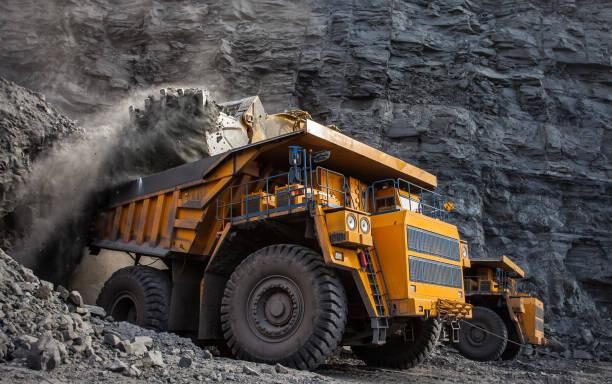
Surface mining involves extracting mineral deposits located near the Earth’s surface and commonly relies on equipment such as excavators, haul trucks, loaders, bulldozers, and drilling machinery. These machines support activities ranging from removing overburden to transporting extracted material and preparing mine sites. The leading position of surface mining highlights the importance of equipment used in large-scale, accessible mineral deposits.
Mining operators assess machinery according to site conditions, material characteristics, production targets, operating costs, and maintenance requirements. Equipment availability can directly affect productivity, making durability and service support important procurement considerations. High-performance surface mining equipment can help operators manage large material volumes, while appropriate maintenance and fleet planning support reliable operations over time.
Asia-Pacific Remains a Key Regional Hub
Asia-Pacific is identified as the largest regional market in the supplied report, reflecting the region’s importance in mineral extraction, industrial production, and infrastructure development. Mining activity across the region supports demand for machinery used in coal, iron ore, copper, and other mineral operations. Equipment requirements vary by country and commodity, depending on geological conditions, mine size, production volumes, and investment priorities.
Infrastructure projects and industrial activity can also influence demand for mined materials, creating opportunities for equipment suppliers. Mining companies may invest in new machinery or upgrade existing fleets to improve productivity, reduce downtime, and meet changing operating requirements. Regional demand for reliable mining machinery is therefore shaped by both resource development and broader economic activity.
Automation and Equipment Modernization
Technology is increasingly influencing how mining equipment is designed, operated, and maintained. Digital monitoring systems can provide information on machine performance, fuel use, component condition, and maintenance needs. When effectively implemented, these tools can help operators identify potential faults earlier and improve maintenance scheduling.
Automation is also gaining attention in applications where remote operation or automated processes can support productivity and reduce worker exposure to certain site hazards. However, implementation depends on mine layout, equipment compatibility, workforce training, connectivity, and investment capacity. Mining companies must evaluate whether new technologies provide measurable operational benefits under their specific conditions.
The International Energy Agency’s critical minerals analysis provides context on the importance of mineral supply chains for energy technologies and industrial development. As demand patterns evolve, mining operators may continue reviewing equipment capacity and technology requirements to support reliable mineral production.
Safety, Maintenance, and Operational Efficiency
Mining environments present demanding operating conditions, including heavy loads, uneven terrain, dust, vibration, and exposure to harsh weather. Equipment design, operator training, inspection routines, and maintenance planning are essential considerations for safe and consistent operations. Companies must also account for component wear, spare-part availability, and service response times when managing large fleets.
The International Labour Organization’s work on mining safety highlights the importance of occupational safety and health in mining activities. Equipment suppliers can support operational requirements through appropriate safety features, technical guidance, servicing, and access to replacement components. For mine operators, well-managed maintenance programs can help reduce unplanned interruptions and extend equipment service life.
Fuel consumption and environmental performance are additional considerations. Mining companies may assess engine efficiency, emissions performance, idle-time reduction, and alternative power technologies when planning equipment purchases. The most suitable solution depends on site conditions, duty cycles, infrastructure availability, and the economics of each operation.
Challenges and Procurement Priorities
Despite continued demand, mining equipment investments can be affected by commodity-price volatility, high capital costs, financing conditions, and uncertainty around future production requirements. Equipment must be matched to the scale and characteristics of each operation, since unsuitable machinery can increase operating costs or constrain productivity.
Buyers increasingly consider total lifecycle costs alongside acquisition prices. Reliability, fuel or energy consumption, maintenance intervals, operator training, warranty coverage, and dealer support can influence long-term equipment value. Suppliers that offer durable machinery, accessible servicing, and technology suited to site-specific needs may be better positioned to meet customer expectations.
Outlook Through 2032
The mining equipment industry is projected to expand through 2032, supported by mineral extraction requirements, infrastructure development, and ongoing fleet modernization. Surface mining remains the leading segment by mining type, while Asia-Pacific holds the largest regional position in the supplied report.
Future demand will depend on mineral production trends, investment decisions, technology adoption, and operators’ efforts to balance productivity with safety and cost control. Automation, condition monitoring, and equipment-efficiency improvements may further influence procurement priorities across mining operations.
Overall, mining equipment will remain important to the extraction and supply of materials needed by industrial and infrastructure sectors. Manufacturers that combine operational reliability, appropriate technology, safety features, and strong after-sales support may be well positioned to respond to evolving industry requirements through 2032.














