

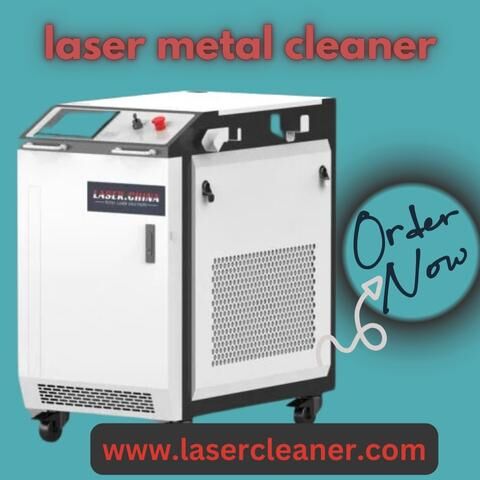
Laser Metal Cleaner: Advanced Technology for Efficient Metal Surface Restoration
Metal surfaces are constantly exposed to rust, oxidation, paint, grease, and other contaminants that affect their appearance and performance. Traditional cleaning methods often require chemicals, abrasive materials, or extensive manual labor. Modern laser technology offers a more precise and efficient approach to surface preparation. A laser metal cleaner uses concentrated laser energy to remove unwanted materials from metal surfaces while helping preserve the underlying material.
What Is a Laser Metal Cleaner?
A laser metal cleaner is an advanced industrial machine designed to remove rust, dirt, paint, oil, and oxidation from different metal surfaces. It uses high-energy laser pulses or continuous laser beams to separate contaminants from the base material.
The cleaning process works by directing a controlled laser beam toward the affected surface. Contaminants absorb the laser energy and are removed through processes such as vaporization or thermal expansion. This allows operators to clean targeted areas without relying on traditional chemical treatments.
How Does Laser Metal Cleaning Work?
Laser cleaning works through controlled energy interaction between the laser beam and surface contaminants. When the beam reaches the metal, unwanted substances absorb energy and detach from the surface.
The cleaning process generally involves these steps:
-
Surface Inspection: Identify the type and thickness of contamination.
-
Machine Configuration: Adjust laser power, frequency, scanning speed, and other parameters according to the material.
-
Laser Application: Direct the beam across the contaminated surface.
-
Contaminant Removal: Laser energy breaks down or removes unwanted layers.
-
Final Inspection: Examine the cleaned surface to ensure the desired result.
Proper parameter selection is essential to achieve consistent cleaning while avoiding unnecessary heat exposure.
Industrial Applications of Laser Metal Cleaners
Laser cleaning technology is suitable for various industrial environments where metal surface preparation is important.
Rust and Oxidation Removal: Manufacturing companies use laser systems to remove rust and oxidation from steel, iron, and other metal components before further processing.
Paint and Coating Removal: Automotive workshops and restoration facilities use laser cleaning to remove old paint and coatings from selected metal surfaces.
Mold Cleaning: Industrial manufacturers can clean metal molds and tooling by removing accumulated residues without relying on aggressive chemical solutions.
Welding Preparation: Clean metal surfaces are important for reliable welding operations. Laser cleaning helps remove contaminants before welding and fabrication.
Automotive and Aerospace Industries: These industries use controlled cleaning processes for maintenance, component restoration, and surface preparation.
Choosing the Right Laser Cleaning Machine
Selecting suitable equipment depends on the intended application, material type, contamination level, and production requirements. Laser power is an important consideration because different cleaning tasks require different energy levels.
Portable systems are useful for maintenance teams and on-site cleaning applications. Industrial systems with higher power ratings may be more appropriate for large surfaces and demanding production environments.
Buyers should also evaluate scanning capabilities, cooling systems, operating software, maintenance requirements, and manufacturer support before purchasing equipment.
Safety Considerations During Operation
Although laser cleaning reduces dependence on chemical cleaning methods, it still requires appropriate safety precautions. High-powered laser beams can cause serious eye and skin injuries.
Operators should use suitable laser safety eyewear, protective equipment, and properly enclosed or controlled working areas. Adequate ventilation and fume extraction are also important because removing paint, rust, and coatings can release hazardous particles or fumes.
Following manufacturer instructions and workplace laser safety regulations helps maintain a safer operating environment.
Why Businesses Are Investing in Laser Cleaning Technology
Modern manufacturers are increasingly interested in efficient and controlled surface preparation methods. Laser cleaning provides an alternative to conventional abrasive and chemical processes, helping businesses improve cleaning consistency and manage demanding industrial applications.
A reliable laser metal cleaner can support maintenance operations, manufacturing workflows, automotive restoration, and metal fabrication projects. Choosing equipment that matches the actual production requirements is essential for achieving long-term value.
Final Thoughts
Laser cleaning technology is changing how industries approach metal surface preparation and restoration. From removing stubborn rust to preparing components for welding, these systems provide a modern solution for a wide range of applications. Investing in the right laser metal cleaner can help businesses improve cleaning processes, maintain production quality, and support more efficient industrial operations.














