

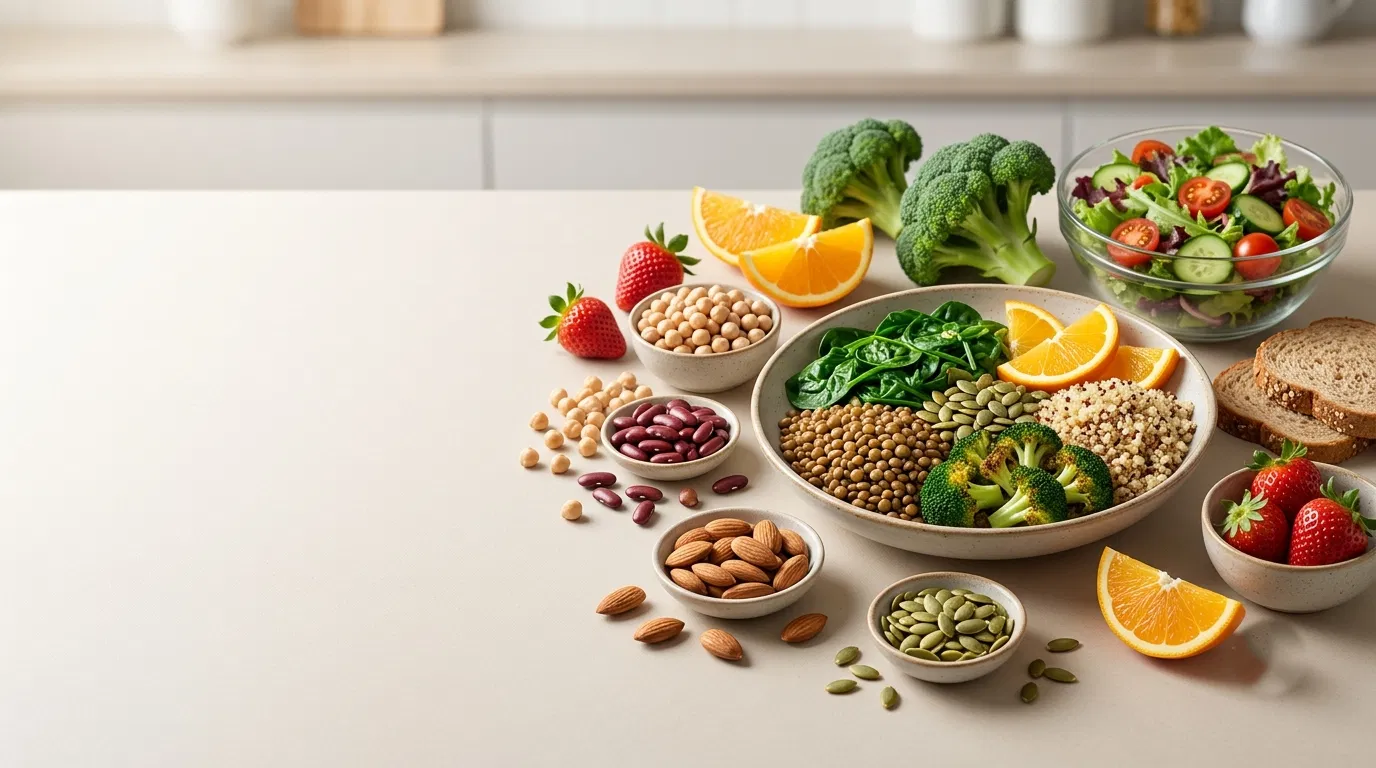

Good nutrition is an important part of maintaining health and well-being. Women experience different nutritional needs throughout their lives due to hormonal changes, menstruation, pregnancy, breastfeeding, and ageing. Understanding these changes can help women make informed food choices and maintain a balanced eating routine.
A nutritious diet does not need to be complicated. Including different food groups and paying attention to essential nutrients can help support everyday nutritional requirements.
Why Nutrition Is Important for Women's Health
Women's nutritional requirements can change at different stages of life. Iron, calcium, folate, vitamin B12, vitamin D, and protein are among the nutrients that deserve attention when planning a balanced diet.
For example, women of reproductive age generally require more iron than men of the same age because of menstrual blood loss. Pregnancy can also increase the requirements for certain vitamins and minerals.
Understanding individual nutritional needs is an important step towards maintaining a healthy lifestyle.
Recognising Possible Signs of Iron Deficiency
Iron helps the body produce haemoglobin, which carries oxygen through the blood. Insufficient iron can eventually lead to iron-deficiency anaemia.
Some possible symptoms include:
- Persistent tiredness and weakness.
- Pale skin.
- Dizziness or light-headedness.
- Headaches.
- Shortness of breath during physical activity.
- Difficulty concentrating.
- Brittle nails.
These symptoms are not specific to iron deficiency. A healthcare professional can recommend appropriate blood tests to identify the cause.
Foods That Support Healthy Iron Intake
Including iron-containing foods in everyday meals can help support nutritional requirements.
Some useful food sources include:
- Lentils and chickpeas.
- Beans and peas.
- Spinach and other leafy vegetables.
- Iron-fortified cereals.
- Meat and seafood, where suitable.
Plant-based iron is absorbed less efficiently than iron from animal sources. Including vitamin C-rich foods such as oranges, tomatoes, and bell peppers with plant-based meals can improve iron absorption.
The Role of Vitamins and Minerals
Iron is not the only nutrient important for women's health. Several other vitamins and minerals contribute to normal body functions.
Calcium supports bone health, vitamin D helps calcium absorption, folate contributes to normal cell division, and vitamin B12 supports nerve function and red blood cell formation.
A varied diet containing fruits, vegetables, whole grains, legumes, nuts, seeds, and suitable protein sources can help provide a range of essential nutrients.
Understanding Balanced Nutrition
Balanced nutrition means providing the body with appropriate amounts of carbohydrates, proteins, fats, vitamins, and minerals.
Carbohydrates provide energy, protein supports tissue maintenance, and healthy fats contribute to essential body functions.
Micronutrients such as iron, zinc, magnesium, and vitamins support many biological processes. Including a variety of foods is generally more useful than focusing on one particular nutrient.
Simple Eating Habits for Better Everyday Nutrition
Healthy eating habits can be developed gradually.
- Include vegetables and fruits in daily meals.
- Choose whole grains more frequently.
- Add legumes, nuts, and seeds to your diet.
- Include suitable protein sources.
- Drink enough water throughout the day.
- Avoid unnecessarily restrictive eating patterns.
- Seek professional advice if you experience symptoms of a nutritional deficiency.
Individual requirements can vary, so nutritional supplements should be used according to professional guidance.
Understanding Gender-Specific Nutritional Needs
Men and women share many nutritional requirements, but certain needs differ according to biological factors and life stages. Iron requirements, pregnancy-related nutritional needs, and changes associated with ageing are examples of why personalised nutrition matters.
For a deeper understanding of these differences, explore this guide to gender nutrition.
Learning about gender-specific nutrition can help readers understand why balanced eating should consider individual nutritional requirements.
Conclusion
Women's nutrition involves more than simply eating healthy foods. Understanding iron requirements, essential vitamins and minerals, and balanced dietary choices can help support nutritional well-being throughout different life stages.
By choosing a variety of nutrient-rich foods and developing consistent eating habits, women can build a practical foundation for long-term health.














