

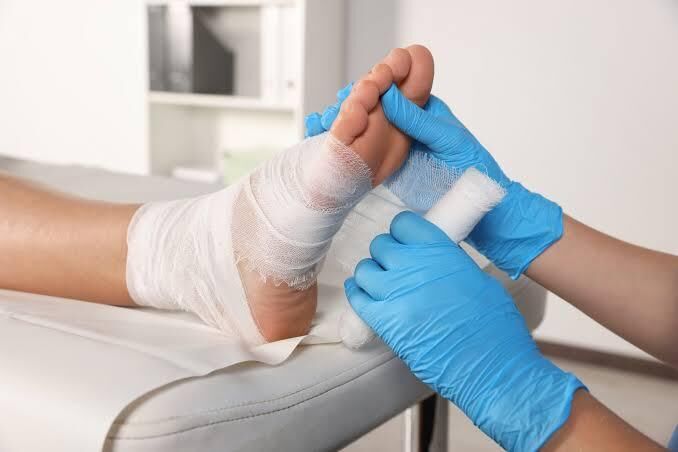

Caring for wounds can be particularly challenging for patients with fragile or sensitive skin because even minor friction, adhesive removal, or improper dressing changes may cause irritation or additional skin damage. Wound Dressing at Home in Dubai provides a convenient way for eligible patients to receive professional wound care in a familiar environment, with guidance from qualified nurses or a Doctor at Home when appropriate. Older adults, people with delicate skin, and patients recovering from surgery may benefit from individualized dressing plans that protect the wound while minimizing trauma to the surrounding tissue. Understanding suitable dressing materials, gentle care techniques, and warning signs can help patients and caregivers support safer healing and reduce avoidable discomfort.
Understanding Fragile and Sensitive Skin:
Fragile skin can tear or bruise easily because of factors such as ageing, prolonged use of certain medications, reduced skin elasticity, dehydration, or underlying health conditions. Sensitive skin may also react to adhesives, fragrances, cleaning products, or other materials used during wound care. These concerns can make routine dressing changes more complicated because removing a strongly adhesive product may pull on the skin, while excessive moisture can soften the surrounding tissue. Patients with diabetes, poor circulation, or reduced mobility may face additional challenges that affect wound healing. A qualified healthcare professional can assess the wound and surrounding skin, identify possible sources of irritation, and recommend a suitable care plan. The goal is to protect injured tissue while minimizing unnecessary pressure, friction, and contact with irritating products.
Why Choosing the Right Dressing Matters:
Selecting an appropriate dressing is particularly important when the skin surrounding a wound is delicate. A suitable product should provide the protection and moisture management the wound needs without causing unnecessary trauma during removal. Depending on the wound's condition, a healthcare professional may consider non-adherent contact layers, soft dressings, or fixation methods designed for sensitive skin. The choice depends on the wound's depth, drainage, location, surrounding skin condition, and any existing treatment instructions. No single dressing is appropriate for every patient, and specialized wounds may require a particular product or clinical technique. Patients should not change to a different dressing independently if the wound is surgical, deep, infected, or otherwise complex. Professional assessment helps ensure that dressing selection supports wound care without introducing additional irritation.
Using Gentle Techniques During Dressing Changes:
Gentle handling can help reduce discomfort and protect fragile skin during dressing changes. Before any permitted wound care, the person providing assistance should wash their hands and prepare the recommended supplies in a clean area. The old dressing should be removed slowly and carefully, following the healthcare professional's instructions. If it sticks to the wound or surrounding skin, it should not be pulled away forcefully; seek guidance on an appropriate removal method. Avoid rubbing, scrubbing, or stretching delicate skin, and do not use scissors or sharp tools close to the wound unless a trained professional is performing the required procedure. Patients should tell their nurse if removal causes pain, bleeding, or repeated skin tears. A gentle technique, combined with suitable materials, can reduce avoidable trauma while keeping the wound protected.
Protecting the Skin From Adhesive-Related Damage:
Adhesive tapes and dressing borders can sometimes cause redness, itching, blistering, or skin tears, especially in older adults and people with sensitive skin. Repeatedly removing adhesive from the same area may worsen irritation, so it is important to discuss any previous reactions with the nurse or treating clinician. Depending on the wound and the patient's skin, a healthcare professional may recommend a suitable skin barrier product, a different adhesive, or an alternative method of securing the dressing. Barrier products should only be used when compatible with the wound care plan. Patients should avoid applying household tape, fragranced creams, or unapproved products around the wound. If a dressing causes persistent itching, burning, blistering, or increasing redness, contact a healthcare professional for advice rather than continuing to use the same product without review.
Maintaining the Right Moisture Balance:
Wound moisture management is an important part of healing, particularly when surrounding skin is fragile. A wound that becomes too dry may develop a dressing that sticks to the healing surface, while excessive moisture can soften nearby skin and make it more vulnerable to damage. The appropriate dressing should help manage the amount of wound fluid without leaving the surrounding area unnecessarily wet. Patients and caregivers should follow the prescribed schedule and avoid adding creams, oils, powders, or antiseptics unless specifically recommended. If the dressing becomes saturated, wet when it should remain dry, or contaminated, follow the care plan or contact the healthcare professional for instructions. Changes in drainage may also indicate that the wound needs reassessment. Maintaining moisture balance requires an approach tailored to the wound rather than relying on a single dressing technique for every injury.
Recognizing Signs of Irritation and Possible Infection:
Patients with delicate skin should monitor both the wound and the surrounding area for changes between professional visits. Mild tenderness may occur during healing, but worsening pain, increasing redness, swelling, unusual warmth, blistering, or new skin tears should be reported. Pus, an unpleasant new odor, fever, or redness spreading away from the wound may indicate infection and requires prompt medical assessment. Fragile skin can make irritation and infection harder to distinguish, so patients should avoid diagnosing the problem or changing the treatment independently. Take note of when symptoms began and whether they developed after a dressing change or use of a new product. Seek urgent medical attention for severe bleeding, rapidly worsening symptoms, or signs of serious illness. Do not wait for the next planned nursing visit if the wound or surrounding skin is deteriorating.
Daily Care Tips for Patients With Fragile Skin:
Everyday habits can help protect sensitive skin and reduce unnecessary friction around a wound. Patients should follow the wound care plan, wear soft clothing that does not rub against the affected area, and avoid scratching or pulling at the dressing. Gentle skin care may be helpful, but products should be selected carefully and kept away from the wound unless approved by a healthcare professional. Adequate nutrition and hydration, when medically appropriate, can support general health and tissue repair. Patients with diabetes should follow their clinician's advice for blood glucose management because elevated glucose can interfere with healing. Practical precautions include:
-
Keep the wound and dressing protected according to professional instructions.
-
Avoid unnecessary dressing removal or repeated adhesive changes.
-
Tell the nurse about skin allergies and previous dressing reactions.
-
Do not apply unapproved creams, powders, or home remedies.
-
Record new redness, pain, drainage, or skin damage.
-
Attend recommended follow-up appointments and report concerns promptly.
These steps support professional care but do not replace an individualized treatment plan.
How Professional Wound Dressing at Home in Dubai Helps:
Wound Dressing at Home in Dubai can be helpful for patients whose fragile skin makes routine wound care difficult or who have limited mobility and need regular dressing changes. During a home visit, a qualified healthcare professional may assess the wound and surrounding skin, follow the prescribed dressing plan, document changes, and explain how to protect the area between visits. Patients should inform the nurse about adhesive sensitivities, previous skin tears, medication use, and any changes since the last appointment. Home healthcare can also help caregivers understand which tasks they can safely perform and when professional advice is needed. When choosing a provider, confirm the professional's qualifications and how concerns are managed between visits. Home dressing services do not replace specialist assessment or emergency care when symptoms indicate a more serious problem.
Supporting Long-Term Healing and Follow-Up Care:
Patients with fragile or sensitive skin may need ongoing assessment to ensure the dressing remains suitable as the wound changes. During follow-up visits, the healthcare professional can review healing progress, examine the surrounding skin, and determine whether the current dressing or fixation method should be adjusted. Patients should report repeated skin tears, persistent irritation, increased drainage, or a wound that is not improving as expected. Conditions such as diabetes, poor circulation, reduced immunity, and inadequate nutrition may affect healing and should be considered in the broader care plan. Do not stop prescribed treatments or introduce new wound products without professional guidance. Keeping a record of dressing changes and symptoms can help the healthcare team identify patterns and make informed decisions about ongoing care.
Final Thoughts
Wound dressing for patients with fragile or sensitive skin requires gentle handling, suitable materials, careful moisture management, and regular observation for complications. Avoiding unnecessary friction and adhesive trauma can help protect the surrounding skin while supporting the wound's healing process. Wound Dressing at Home in Dubai offers eligible patients access to professional guidance and individualized care in a familiar setting. Follow the instructions provided by a qualified healthcare professional, report irritation or worsening symptoms promptly, and attend recommended reviews. With an appropriate dressing plan and consistent follow-up, patients and caregivers can better protect delicate skin and manage wound care more safely.














