

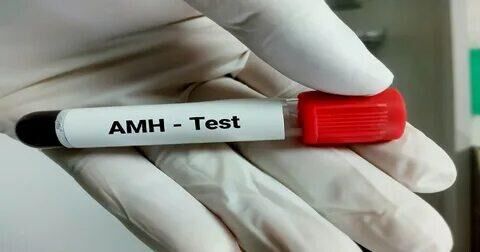

Understanding your reproductive health can help you make informed decisions about pregnancy planning, fertility treatment, and your future family goals. One test that may provide useful information is the Anti-Müllerian Hormone (AMH) test. This blood test measures a hormone associated with the number of small developing follicles in the ovaries and helps healthcare professionals estimate ovarian reserve.
The Anti-Müllerian Hormone Test in Dubai is commonly used during fertility assessments and in vitro fertilization (IVF) planning. It may also contribute to the evaluation of polycystic ovary syndrome (PCOS) and selected ovarian conditions. However, interpreting the results correctly is essential because AMH does not directly measure egg quality or guarantee whether pregnancy will occur.
This complete guide explains how the AMH test works, why doctors recommend it, how to understand your results, and what to consider when planning your reproductive health.
Understanding AMH: The Hormone Behind the Test
Anti-Müllerian Hormone is produced by granulosa cells in small developing follicles in the ovaries. These follicles contain immature eggs that may develop further during the reproductive cycle.
The AMH blood test measures the concentration of this hormone in the bloodstream. Because AMH production is associated with the number of small follicles present in the ovaries, it provides an indirect estimate of ovarian reserve.
Ovarian reserve refers to the remaining pool of eggs in the ovaries. This reserve generally decreases with age, although the rate of decline varies between individuals.
AMH testing is particularly useful in fertility care because it can help predict how the ovaries may respond to stimulation medication. For example, it can help a fertility specialist estimate whether a person may produce a relatively low or high number of eggs during an IVF cycle.
However, ovarian reserve and fertility are not the same thing. AMH does not count every remaining egg, directly assess egg quality, confirm regular ovulation, or establish whether someone can conceive naturally.
Why Is the Anti-Müllerian Hormone Test Recommended?
An AMH test may be recommended when a healthcare professional needs additional information about ovarian function or fertility treatment planning. Its usefulness depends on your age, medical history, symptoms, and reproductive goals.
Assessing Ovarian Reserve
The test can help estimate whether ovarian reserve is lower or higher than expected in a particular clinical context. This information may be relevant when planning pregnancy or evaluating reproductive health concerns.
A low result does not automatically mean infertility, and a high result does not guarantee better fertility.
Preparing for IVF and Fertility Treatment
During IVF, medication is used to stimulate the ovaries to develop multiple follicles. AMH helps clinicians estimate the likely response to these medications.
A lower result may suggest that fewer eggs could be retrieved, while a higher result may indicate a stronger response and a greater risk of ovarian hyperstimulation syndrome (OHSS). This information helps fertility specialists individualize treatment and monitor potential complications.
Investigating Polycystic Ovary Syndrome
Polycystic ovary syndrome is a hormonal condition associated with symptoms such as irregular menstrual cycles, irregular ovulation, acne, and excess facial or body hair.
Some people with PCOS have elevated AMH levels because they have a larger number of small ovarian follicles. However, AMH alone cannot diagnose PCOS. Diagnosis requires an appropriate clinical assessment, which may include menstrual history, androgen testing, and ultrasound findings.
Evaluating Ovarian Function After Medical Treatment
In selected circumstances, AMH testing may help assess ovarian function after ovarian surgery or treatments such as chemotherapy that can affect the ovaries. The decision to test depends on the person's medical history and the clinical question being investigated.
Do You Need to Fast Before an AMH Test?
In most cases, fasting is not required for an AMH blood test. AMH levels are also relatively stable throughout the menstrual cycle, so testing can often be performed on different cycle days.
However, if your clinician orders additional blood tests at the same appointment, those tests may have different preparation requirements.
Tell your healthcare professional about hormonal contraception, fertility medication, and relevant medical treatments. Some factors, including hormonal contraceptive use, may influence AMH measurements in certain individuals.
How to Interpret Your AMH Test Results?
Your AMH report usually includes a numerical value and may provide a laboratory reference range. These ranges differ according to the laboratory's testing method, age group, and clinical purpose.
The following table explains the general meaning of different AMH result patterns.
| AMH result | Possible interpretation | What to remember |
|---|---|---|
| Low AMH | May indicate reduced ovarian reserve | Does not prove that pregnancy is impossible |
| Within the expected range | May be consistent with the laboratory's reference information | Does not guarantee fertility |
| High AMH | May indicate a larger pool of small developing follicles | Does not automatically mean better fertility |
| Very high AMH | May occur in PCOS or indicate a stronger ovarian response | Cannot diagnose PCOS by itself |
AMH results are not interpreted using one universal cutoff. The laboratory's units and reference information must be considered, along with age and the reason the test was ordered.
What Does a Low AMH Level Mean?
A low AMH level may suggest that fewer small developing follicles remain in the ovaries than expected for a particular clinical context. Possible explanations include age-related changes, previous ovarian surgery, certain medical treatments, and individual biological variation.
A low result may influence fertility treatment planning, particularly when estimating the response to ovarian stimulation. However, it does not directly measure egg quality or rule out natural conception.
Your clinician may recommend additional assessment, such as an ultrasound to measure the antral follicle count or other hormone tests, depending on your circumstances.
What Does a High AMH Level Mean?
A high AMH level may reflect a larger number of small ovarian follicles. It is sometimes associated with PCOS and can help fertility specialists anticipate a stronger response to stimulation medication.
However, a high result does not confirm that ovulation is regular or that pregnancy will be easier to achieve. If your result is elevated, your healthcare professional may review your menstrual cycle, symptoms, and other findings to determine whether further investigation is necessary.
AMH and Age: What Changes Over Time?
Age is an important factor in understanding AMH results. AMH levels generally decline as the ovarian follicle pool decreases over time, but the rate of decline varies considerably between individuals.
Two people of the same age may have different AMH levels. Therefore, your result should be interpreted in relation to your age rather than compared with a single number found online.
Age also influences egg quality and the likelihood of pregnancy. Because AMH does not directly measure egg quality, it cannot provide a complete prediction of natural fertility.
Although AMH may offer information related to ovarian reserve, it cannot reliably predict the exact age at which an individual will reach menopause. It should not be used alone to determine how much reproductive time remains.
If you are planning a pregnancy or considering fertility treatment, discuss how your age and AMH result relate to your personal goals with a qualified healthcare professional.
AMH Test Compared With Other Fertility Investigations:
An AMH test is often used alongside other assessments because reproductive health involves several different factors.
-
Antral follicle count: An ultrasound examination that estimates the number of small follicles visible in the ovaries.
-
Follicle-stimulating hormone (FSH): A hormone that may be measured early in the menstrual cycle to provide additional information about ovarian function.
-
Estradiol: A hormone that can help clinicians interpret ovarian activity and certain other hormone results.
-
Ovulation assessment: Menstrual history and, when appropriate, blood tests or ultrasound can help establish whether ovulation is occurring.
-
Semen analysis: Evaluates sperm count, movement, and shape when investigating difficulty conceiving.
-
Fallopian tube testing: May be recommended to determine whether the fallopian tubes are open.
These investigations answer different questions. A normal AMH result cannot confirm that ovulation is regular, the fallopian tubes are open, sperm health is normal, or pregnancy will occur.
What Can You Do After Receiving Your AMH Report?
The most appropriate next step depends on the result and why the test was ordered.
If your AMH is low, ask your clinician how the result relates to your age, reproductive goals, and medical history. If you are considering pregnancy or fertility treatment, a specialist can explain whether additional investigations or treatment planning would be useful.
If your result falls within the laboratory's expected range, remember that it represents only one aspect of reproductive health. Other factors may still affect fertility.
If your AMH is high, your healthcare professional may consider whether PCOS or a potentially strong response to fertility medication needs further assessment.
There is currently no established diet, supplement, or lifestyle intervention that reliably restores the natural egg supply or reverses age-related loss of ovarian reserve. A balanced diet, regular physical activity, adequate sleep, and avoiding tobacco support general health, but they should not be considered guaranteed methods of increasing AMH.
Be cautious about supplements marketed specifically to raise AMH. Discuss them with your healthcare professional before use, especially if you are taking medication or undergoing fertility treatment.
Frequently Asked Questions About the AMH Test:
Is the Anti-Müllerian Hormone test painful?
The test involves a routine blood draw. You may experience brief discomfort or minor bruising at the collection site, but serious complications are uncommon.
Can AMH tell me whether I can get pregnant naturally?
No. AMH provides information about ovarian reserve and can help estimate the response to ovarian stimulation, but it cannot reliably predict whether or when natural pregnancy will occur.
Can AMH levels increase naturally?
AMH levels may fluctuate, but no established natural method reliably increases the underlying egg supply. Healthy habits support general well-being but cannot guarantee higher AMH levels.
Is AMH testing necessary for everyone?
No. The test is generally most useful when there is a specific clinical reason, such as fertility treatment planning, assessment of ovarian reserve, or investigation of selected reproductive conditions.
How long does it take to receive AMH results?
The turnaround time varies by laboratory. Your testing provider can explain when the report is likely to be available and whether a follow-up appointment is recommended.
Conclusion: Make Informed Decisions With Your AMH Results
The Anti-Müllerian Hormone Lab tests is a valuable tool for estimating ovarian reserve and supporting fertility treatment planning. It can help clinicians anticipate the response to IVF medication and contribute to the evaluation of certain reproductive health conditions.
However, the result is only one part of the bigger picture. Low AMH does not automatically mean infertility, and high AMH does not guarantee pregnancy. Age, medical history, menstrual patterns, and other clinical findings are essential for accurate interpretation.
If you have received an AMH report or are considering fertility testing, discuss your results with a qualified healthcare professional. Understanding the purpose and limitations of the test can help you make informed decisions about your reproductive health and future family-planning options.
Medical disclaimer: This article is for educational purposes only and does not replace professional medical advice, diagnosis, or treatment. AMH reference ranges and interpretation vary according to laboratory methods and individual circumstances. Consult a qualified healthcare professional for guidance based on your personal results.














