

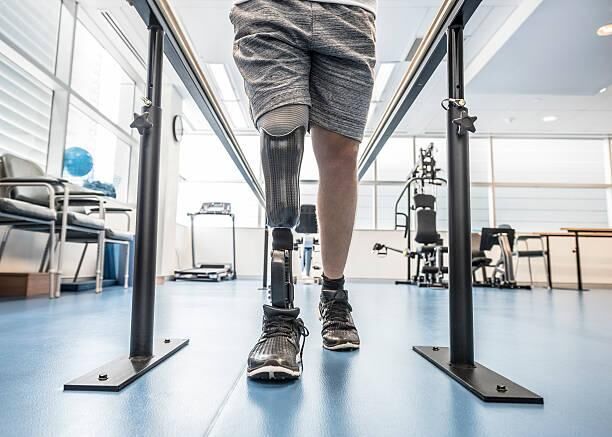

Artificial Limb Market is gaining importance as healthcare providers, rehabilitation centers, and medical technology companies focus on improving mobility and independence for people with limb loss or limb differences. Artificial limbs, also known as prosthetic limbs, are designed to replace the function or appearance of a missing limb and support activities of daily living. Depending on individual needs, these devices may include prosthetic hands, arms, feet, and legs. Developments in materials, fitting techniques, and rehabilitation services are creating opportunities to make prosthetic solutions more functional, comfortable, and suitable for different lifestyles.
Growing interest in prosthetic limb technology and mobility solutions reflects the importance of combining medical expertise with user-centered design. A prosthetic device must account for the person's anatomy, activity level, comfort requirements, and rehabilitation goals. Some devices are designed primarily for everyday mobility, while others support specialized tasks or physical activities. This diversity encourages manufacturers to develop adaptable products rather than relying on a single design for every user. Collaboration among prosthetists, rehabilitation professionals, engineers, and users can help ensure that devices address practical needs.
Technological development is influencing the design of modern prosthetic limbs. Lightweight materials, improved joint mechanisms, and more precise manufacturing methods can help manufacturers create devices that balance durability with usability. Some advanced prostheses incorporate electronic components and sensors to support more responsive movement, depending on the design and intended application. These features can require specialized fitting, maintenance, and training. Product development therefore involves more than engineering a mechanical device; it also requires understanding how users will interact with the prosthesis in everyday environments and how clinicians can support successful adoption.
Customization is another important factor in prosthetic care. Each person has different anatomical characteristics, mobility goals, and preferences, so an effective device often requires individualized assessment and fitting. A prosthetist may consider socket design, alignment, weight distribution, comfort, and the user's expected activities when selecting or adjusting a device. An unsuitable fit can cause discomfort and reduce consistent use. Follow-up appointments are valuable because a person's needs may change during rehabilitation or over time. Personalized care helps align device selection with practical expectations and supports the user's ability to adapt.
Rehabilitation services play a central role in helping people use artificial limbs safely and confidently. Receiving a prosthesis is only one part of the process; users may also need physical therapy, training, adjustments, and guidance on caring for the device. Learning to walk with a prosthetic leg or perform tasks with a prosthetic arm can require time and practice. Healthcare professionals help establish realistic goals and identify challenges during the adaptation period. Strong coordination between device providers and rehabilitation teams can improve continuity of care and help users understand how to use their prosthesis in daily activities.
Access and affordability remain important considerations across the industry. Prosthetic devices can involve expenses associated with assessment, fabrication, fitting, maintenance, replacement parts, and rehabilitation. Availability may also differ between urban and rural areas, especially where specialized clinics and trained professionals are limited. Healthcare systems, insurers, charitable organizations, and public programs may influence whether individuals can obtain suitable devices. Manufacturers can contribute by exploring practical designs, improving production efficiency, and providing service support. However, lower cost should not come at the expense of safety, appropriate fit, or the user's clinical requirements.
The industry also faces technical and operational challenges. Advanced devices may require charging, software support, component servicing, or specialized repairs, while conventional designs still need regular inspection and maintenance. Manufacturers must consider durability, safety, material performance, and the availability of replacement components. User feedback can reveal problems that are not always apparent during initial testing, including discomfort, difficulty using controls, or challenges in particular environments. Ongoing product evaluation and clear maintenance guidance can help providers and users make informed decisions throughout the lifespan of a prosthetic device.
The future of the Artificial Limb Market will be shaped by advances in prosthetic engineering, personalized fitting, rehabilitation practices, and access to care. Developments in digital design and manufacturing may help clinicians plan and produce devices that better reflect individual anatomy and activity requirements. At the same time, user education, ongoing support, and affordability will remain essential to meaningful adoption. Companies that combine dependable engineering with practical clinical collaboration can contribute to improved prosthetic experiences. Progress should ultimately be measured not only by technical sophistication but also by comfort, usability, safety, and the goals of each individual.
FAQs
What is an artificial limb?
It is a prosthetic device designed to replace a missing arm, hand, leg, or foot.
Who helps fit an artificial limb?
Prosthetists and other rehabilitation professionals assess and fit suitable devices.
What affects prosthetic comfort?
Fit, alignment, materials, individual anatomy, and regular adjustments can all matter.














