

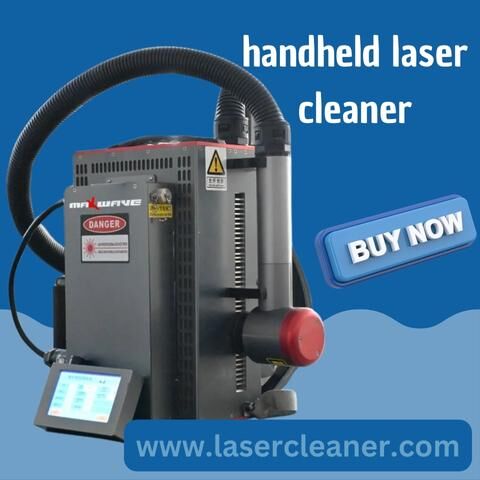
Rust can damage metal surfaces, reduce equipment efficiency, and affect the appearance of industrial components. Traditional rust removal methods often require chemicals, abrasive materials, or extensive manual labor. Modern laser technology offers an innovative way to remove rust while maintaining the quality of the underlying metal.
A laser rust remover uses concentrated laser energy to eliminate rust, oxidation, and surface contaminants from metal components. This technology is suitable for industries seeking precise, efficient, and environmentally conscious cleaning solutions.
How Does Laser Rust Removal Work?
Laser rust removal works by directing a controlled laser beam onto a rust-covered surface. The laser energy interacts with the rust layer, causing it to separate from the underlying metal through processes such as rapid heating and material ablation.
The cleaning process can be adjusted according to the type of metal, rust thickness, and level of contamination. This flexibility allows operators to clean different components with greater precision.
Depending on the application, the removed particles may be collected using an appropriate extraction system to maintain a cleaner working environment.
Applications of Laser Rust Remover
Laser cleaning technology is used across various industries where metal maintenance and surface preparation are important.
1. Automotive Industry
Automotive manufacturers and repair workshops use laser cleaning to remove rust from vehicle frames, metal panels, engine components, and other parts. Precise cleaning can prepare surfaces for welding, painting, and restoration work.
2. Manufacturing and Metal Fabrication
Metal fabrication facilities often need clean surfaces before welding, coating, or assembling components. Laser rust removal helps prepare metal parts by removing oxidation and other unwanted surface layers.
3. Industrial Equipment Maintenance
Industrial machinery can develop rust after prolonged exposure to moisture and harsh working conditions. Laser cleaning provides a controlled method for treating affected areas, supporting equipment maintenance and restoration.
4. Construction and Infrastructure
Steel structures, metal supports, industrial pipes, and other construction materials may require rust removal before protective coatings are applied. Laser cleaning can help prepare accessible metal surfaces for further treatment.
5. Restoration Projects
Workshops restoring tools, machinery, metal furniture, and historical metal objects may use laser cleaning when carefully controlled surface treatment is required. Settings must be selected according to the material's condition and preservation requirements.
Choosing the Right Laser Rust Remover
Selecting suitable equipment depends on your cleaning requirements and operating environment. Consider the following factors before purchasing a machine.
-
Laser power: Higher power may improve cleaning speed for heavy rust, but the appropriate output depends on the material and application.
-
Cleaning area: Choose equipment that can handle the size and shape of your workpieces.
-
Portability: Handheld systems can be practical for maintenance work and cleaning large stationary structures.
-
Control settings: Adjustable parameters help operators manage cleaning intensity for different materials and contamination levels.
-
Safety systems: Look for suitable protective enclosures or barriers, interlocks, emergency controls, and laser-rated protective equipment.
-
Technical support: Reliable training, maintenance services, and access to replacement parts can help ensure consistent operation.
Before making a purchase, test the equipment on a representative sample to confirm cleaning quality, processing speed, and the condition of the underlying metal.
Laser Rust Removal Compared with Traditional Methods
Traditional rust removal techniques include wire brushing, grinding, sandblasting, and chemical treatments. Each method has specific uses, depending on the component and the level of corrosion.
Laser cleaning offers a more controlled approach for suitable applications and can reduce the need for abrasive media or chemical rust removers. However, equipment cost, cleaning speed, surface geometry, and operating requirements should be evaluated before replacing an existing process.
Laser systems also require careful handling because reflected laser radiation and airborne particles can create serious hazards. Proper training, a controlled work area, and suitable fume extraction are essential.
Maintenance Tips for Better Performance
Regular maintenance helps keep laser cleaning equipment operating reliably. Inspect the optical components according to the manufacturer's instructions, keep cooling systems within their recommended operating conditions, and check cables and connectors for damage.
Operators should also clean or replace filters when required and follow the recommended service schedule. Never inspect or service internal laser components without following the manufacturer's safety procedures.
Final Thoughts
A laser rust remover provides a modern solution for cleaning corroded metal surfaces in manufacturing, automotive repair, industrial maintenance, and restoration. By selecting suitable equipment and using the correct operating parameters, businesses can improve surface preparation and achieve consistent cleaning results.
When evaluating a laser cleaning machine, consider your materials, rust conditions, production requirements, and workplace safety measures. The right system can become a valuable part of a professional metal maintenance and surface preparation process.














