

Managing Back Pain at Home for Elderly Patients: Comfort and Safety Tips
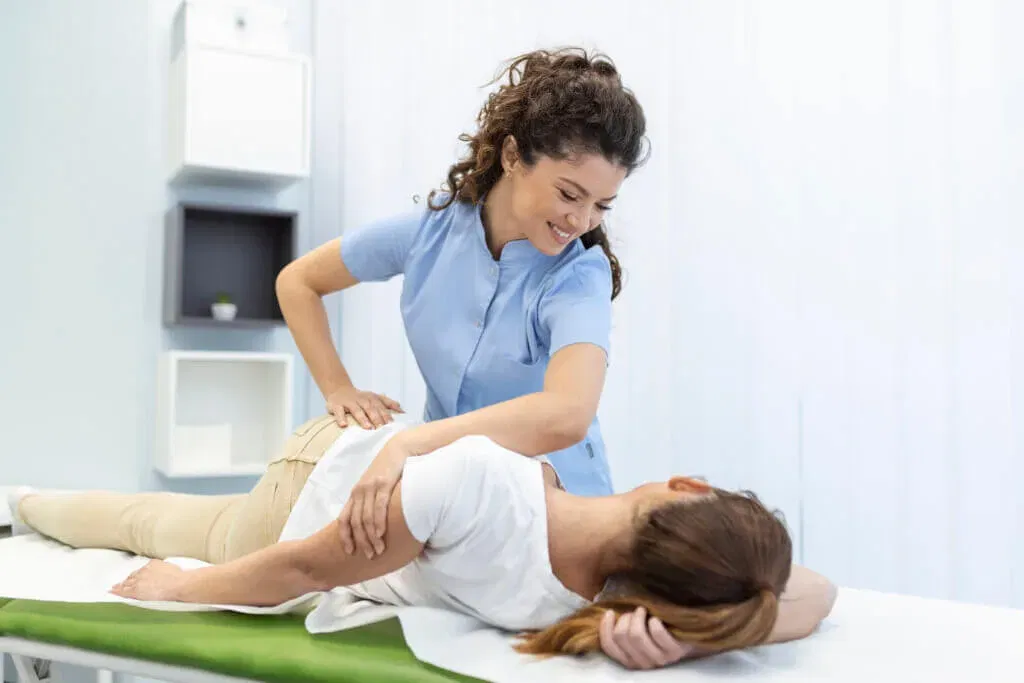
Back pain is a common concern among older adults and can make everyday activities such as walking, dressing, bathing, and sleeping more challenging. Age-related changes in the spine, reduced muscle strength, arthritis, and previous injuries may contribute to discomfort and limited mobility. Managing Back Pain at Home in Dubai involves creating a safe living environment, encouraging gentle movement, and adopting practical habits that support comfort and independence. For elderly individuals who find travelling difficult, a Doctor at Home can offer a convenient option for an initial medical assessment, depending on the provider's services. With appropriate care, family support, and timely medical guidance, older adults can manage back discomfort more safely while maintaining their daily routines and quality of life.
Understand the Common Causes of Back Pain in Older Adults:
Back pain in elderly patients can develop for several reasons, so understanding possible causes is an important first step toward appropriate care. Osteoarthritis, age-related changes in spinal discs, muscle weakness, poor posture, and previous injuries may contribute to discomfort. Osteoporosis can also increase the risk of spinal fractures, sometimes following a minor fall or lifting activity. Prolonged sitting, limited physical activity, and difficulty maintaining balance may further affect mobility and comfort. However, back pain should not automatically be considered a normal part of ageing. Family members and caregivers should observe when the pain occurs, which activities worsen it, and whether the older adult experiences changes in walking or daily functioning. A healthcare professional can assess these symptoms and recommend appropriate treatment based on the individual's medical history and overall health.
Create a Safe and Comfortable Home Environment:
A safe home environment can help elderly patients move around with greater confidence while reducing the risk of falls and injuries. Back pain may make bending, reaching, and standing more difficult, so arranging frequently used items within easy reach can reduce unnecessary strain. Ensure that walkways are clear, lighting is adequate, and loose rugs or electrical cables do not create tripping hazards. Install grab bars where appropriate, particularly in bathrooms, and consider a stable chair with armrests to make sitting down and standing up easier. Supportive footwear can also improve stability during everyday movement. Helpful home adjustments include:
-
Keep frequently used household items at waist height.
-
Remove clutter from hallways and walking areas.
-
Use non-slip mats in suitable locations.
-
Ensure chairs and beds are easy to access.
-
Place essential items, such as a phone, within reach.
These simple precautions can support independence while helping caregivers create a more comfortable setting for recovery.
Encourage Gentle Movement and Appropriate Activity:
Although elderly patients may feel tempted to remain in bed when their backs hurt, prolonged inactivity can increase stiffness and reduce muscle strength. When medically appropriate, gentle movement can help maintain mobility and support everyday functioning. Short walks indoors, comfortable position changes, and simple movements recommended by a healthcare professional may be suitable starting points. Activity should be adjusted to the individual's balance, strength, pain level, and existing medical conditions. Caregivers can encourage movement by helping older adults follow manageable routines without rushing them or applying pressure. Avoid heavy lifting, sudden twisting, and exercises that worsen symptoms. If back pain begins after a fall or is accompanied by new weakness, difficulty walking, or significant changes in mobility, seek medical assessment before encouraging further activity. A personalized exercise plan may be particularly helpful for older adults who have recurring pain or an increased risk of falls.
Use Heat or Cold Therapy Carefully:
Heat and cold therapy may provide temporary relief for some types of back discomfort in elderly patients, but these methods require extra care when skin is fragile or sensation is reduced. A cold pack wrapped in a towel may help with certain recent injuries, while gentle warmth can relax tight muscles and reduce stiffness. If a healthcare professional considers these methods appropriate, apply them for short periods, generally around 15–20 minutes, while checking the skin regularly. Never place ice directly on the skin or allow an older adult to fall asleep with a heating pad switched on. People with diabetes-related nerve damage, circulation problems, or reduced skin sensation should seek medical advice before using heat or cold. These approaches may ease symptoms temporarily but cannot treat every underlying cause of back pain. New or severe pain in an older adult should be assessed rather than managed solely with home remedies.
Support Comfortable Sleeping and Resting Positions:
Back discomfort can interfere with sleep and leave older adults feeling tired or less steady during the day. A supportive mattress and comfortable sleeping position may help reduce pressure on sensitive areas. Some people find it helpful to sleep on their side with a pillow between their knees, while others prefer lying on their back with a pillow beneath their knees. The best position is one that feels comfortable and does not worsen symptoms. Caregivers should also make sure the bed is easy to get into and out of safely. A stable bedside table, suitable lighting, and a clear path to the bathroom can reduce nighttime fall risks. Encourage regular sleep routines and comfortable rest periods, but avoid prolonged bed rest unless specifically advised by a healthcare professional. Persistent night pain or pain associated with fever, unexplained weight loss, or recent injury requires medical attention.
Provide Support With Everyday Activities:
Elderly patients experiencing back pain may need temporary assistance with activities such as dressing, bathing, preparing meals, and completing household chores. Caregivers can help by organizing tasks into shorter sessions and allowing enough time for safe movement. A long-handled dressing aid, a suitable shower seat, or other recommended assistive equipment may reduce excessive bending and improve independence. When helping an older adult stand or walk, follow appropriate transfer techniques and use prescribed mobility aids rather than pulling on their arms or back. Avoid lifting or repositioning someone without the necessary training or equipment. Family members should also respect the older adult's preferences and encourage them to perform safe tasks independently when possible. A balanced approach to assistance can reduce physical strain while preserving confidence, dignity, and participation in everyday life.
Review Medication and Overall Health With a Professional:
Older adults may take several medications for different health conditions, making professional guidance particularly important when managing back pain. Some pain medicines can cause dizziness, constipation, stomach irritation, kidney problems, or interactions with other prescriptions. Non-prescription medicines are not automatically safe for elderly patients, especially those with kidney disease, heart conditions, a history of stomach ulcers, or those taking blood-thinning medication. Consult a qualified healthcare professional before starting a new medicine, changing a dose, or combining treatments. A clinician can review existing prescriptions, assess potential causes of the pain, and recommend suitable options. Balanced nutrition, adequate hydration, and appropriate physical activity may also support general well-being. However, supplements and home remedies should not replace prescribed treatment or professional evaluation when symptoms suggest a more serious condition.
Recognize When Elderly Patients Need Medical Attention:
Back pain that persists, worsens, or interferes with normal activities should be evaluated by a healthcare professional, particularly in older adults who may have osteoporosis or other medical conditions. Seek prompt assessment if pain begins after a fall, occurs with fever, or is accompanied by unexplained weight loss or difficulty walking. Sudden severe back pain after a minor injury may indicate a fracture in someone with weakened bones. Seek emergency medical attention if back pain occurs with new loss of bladder or bowel control, numbness around the groin, progressive leg weakness, or chest pain and difficulty breathing. A Doctor at Home may provide an initial assessment when travel is difficult, depending on the service and the severity of the symptoms. However, emergency warning signs require urgent medical care rather than waiting for a routine home visit.
Final Thoughts
Managing back pain at home for elderly patients requires a careful balance of comfort, safety, movement, and appropriate medical support. A well-organized living environment, gentle activity, comfortable sleeping arrangements, and assistance with daily tasks can help older adults maintain independence while reducing unnecessary strain. Families should also be cautious with heat and cold therapy, medications, and exercises, particularly when other medical conditions are present. Most importantly, back pain should not simply be dismissed as an unavoidable part of ageing. Persistent symptoms, pain after a fall, and changes in strength or bladder and bowel function require appropriate medical attention. By combining practical home-care strategies with professional guidance, elderly patients and their caregivers can work toward safer mobility, improved comfort, and a better quality of life.

 English
 Arabic
 French
 Spanish
 Portuguese
 Deutsch
 Turkish
 Dutch
 Italiano
 Russian
 Romaian
 Portuguese (Brazil)
 Greek
 Cehoslowakia
