


AAC Cable: Reliable Aluminum Conductor Solutions
Introduction to AAC Cable
In modern power distribution systems, selecting the right conductor is essential for maintaining reliable electricity supply and controlling infrastructure costs. AAC cable (All Aluminum Conductor) is a practical solution for overhead electrical networks that require good conductivity, lightweight construction, and dependable performance. HBNfpower provides aluminum conductor solutions designed to support power distribution projects across various industries and applications.
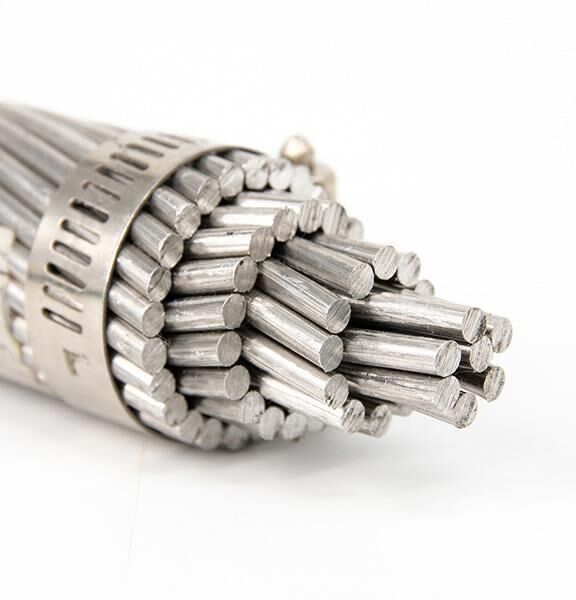
Manufactured from hard-drawn aluminum wires arranged in stranded layers, AAC conductors are widely used in overhead distribution networks and flexible busbar connections. Their construction makes them particularly suitable for relatively short spans where electrical conductivity is a priority.
Why Choose AAC Cable for Power Distribution?
Choosing a suitable conductor can influence installation requirements, operating performance, and long-term maintenance. AAC cable offers several benefits that make it a popular option for utility companies, electrical contractors, and infrastructure developers.
1. Excellent Electrical Conductivity
Aluminum provides good electrical conductivity while keeping conductor weight relatively low. AAC cable is therefore suitable for applications where efficient current transmission and practical conductor design are important. Selecting the appropriate cross-sectional area helps engineers meet the electrical requirements of individual projects.
2. Lightweight and Practical Construction
Compared with many heavier conductor alternatives, AAC cable offers a lightweight design that can simplify transportation and handling. Its stranded aluminum construction supports practical installation in suitable overhead distribution applications, helping contractors plan projects efficiently.
3. Cost-Effective Material Selection
For projects involving extensive overhead distribution networks, material selection can significantly affect overall expenditure. AAC cable provides an economical aluminum-based conductor option, allowing project planners to balance electrical requirements, structural considerations, and material costs without choosing unnecessarily complex designs.
4. Suitable for Outdoor Applications
AAC conductors are designed for open-air installation in appropriate electrical systems. Aluminum's natural oxide layer offers corrosion resistance, although environmental conditions, connections, and installation quality must still be considered to ensure dependable service.
Applications of AAC Cable
The versatility of AAC cable makes it suitable for several electrical infrastructure applications.
-
Overhead distribution lines: Supports electricity distribution across urban, suburban, and other suitable service areas.
-
Utility networks: Provides a conductor option for power companies developing or upgrading distribution infrastructure.
-
Substation connections: Can be used for flexible busbar connections and other suitable electrical arrangements.
-
Industrial power distribution: Supports selected overhead distribution requirements in industrial facilities.
-
Electrical infrastructure projects: Offers a practical conductor choice when span length, mechanical loading, and electrical specifications are compatible with AAC construction.
Because AAC cable does not contain a steel-reinforced core, engineers should carefully evaluate span length, tensile strength, wind loading, and sag requirements before selecting it for a particular project.
HBNfpower: Your AAC Cable Supply Partner
HBNfpower, operated by Henan Baofeng Cable Co., Ltd., specializes in manufacturing electrical conductors and power cable products for infrastructure and industrial applications. Its product portfolio includes all-aluminum conductors, aluminum alloy conductors, steel-reinforced conductors, and other cable solutions.
The company's AAC conductor offering supports buyers seeking products manufactured to recognized industry standards. Depending on the project, applicable specifications may include ASTM B231, IEC 61089, DIN 48201, AS 1531, and BS EN 50182. Buyers should confirm the required standard and its applicability when requesting a quotation.
HBNfpower's product information also provides conductor parameters such as cross-sectional area, strand configuration, overall diameter, linear mass, breaking load, and electrical resistance. These details help engineers and procurement teams compare available configurations and identify products that match project requirements.
How to Select the Right AAC Cable
Before purchasing AAC cable, consider the required current-carrying capacity, conductor size, operating environment, installation conditions, and applicable technical standards. The intended span length and mechanical loading are equally important when evaluating whether an all-aluminum conductor is appropriate.
It is also advisable to confirm packaging, drum dimensions, delivery requirements, and technical documentation with the supplier. Consulting qualified electrical engineers helps ensure that the selected conductor meets the project's design and safety requirements.
Conclusion
AAC cable remains a valuable option for overhead power distribution projects that prioritize electrical conductivity, lightweight construction, and cost-conscious material selection. With its range of conductor products and technical specifications, HBNfpower can help project buyers evaluate suitable aluminum conductor solutions for their applications.
Whether you are planning a distribution network, upgrading electrical infrastructure, or sourcing conductors for an industrial project, explore HBNfpower's AAC cable solutions to identify a configuration aligned with your technical and procurement needs.
 Arabic
 English
 French
 Spanish
 Portuguese
 Deutsch
 Turkish
 Dutch
 Italiano
 Russian
 Romaian
 Portuguese (Brazil)
 Greek
 Hrvatski
 Cehoslowakia
