


How UK Family Visa Applicants Can Prepare for Approval
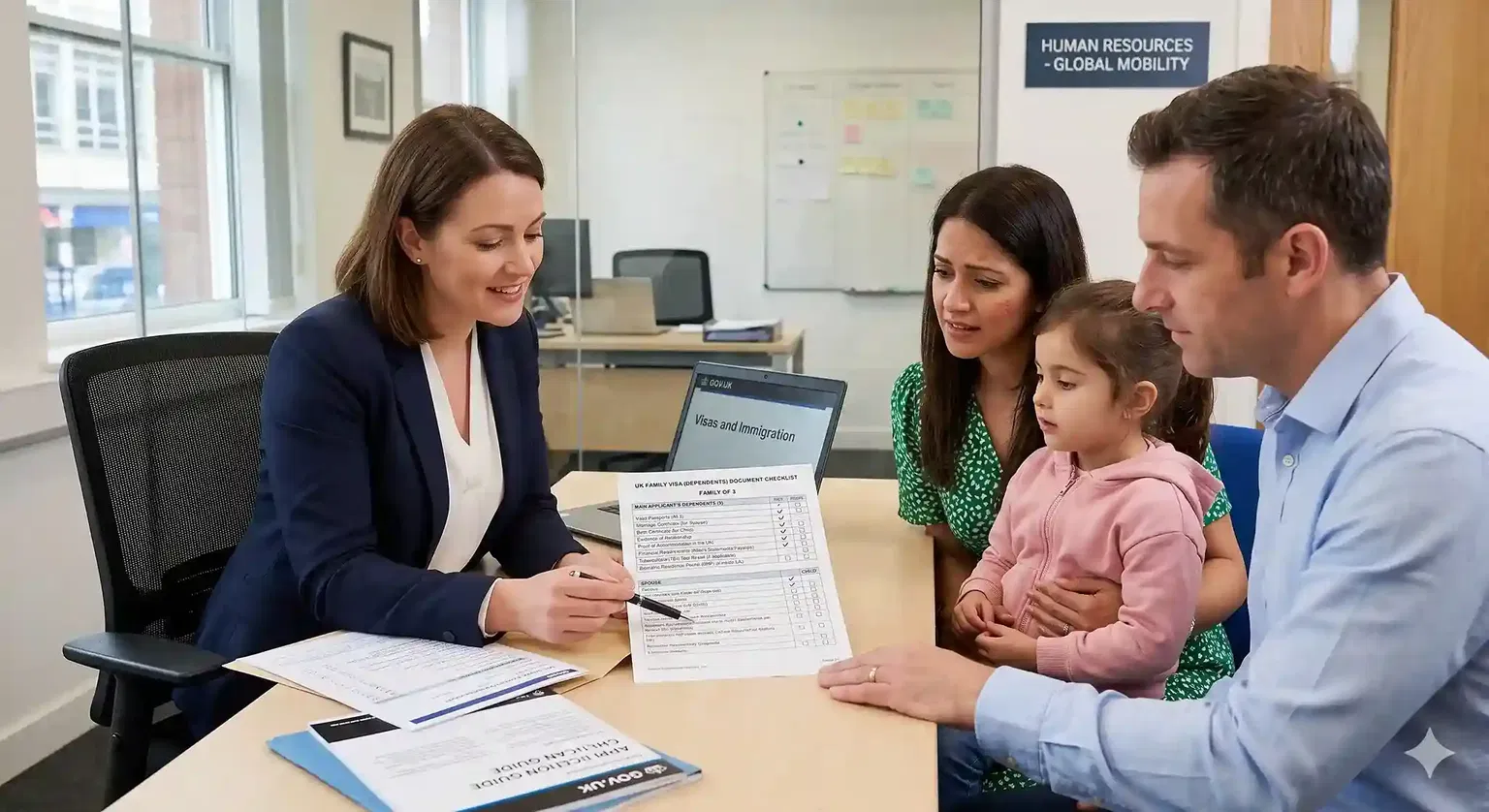
Reuniting with loved ones in the United Kingdom is an important goal for many families. Whether someone plans to join a spouse, partner, child, or parent, the application process requires careful preparation and a clear understanding of immigration requirements. A successful UK Family Visa application depends on more than completing an online form. Applicants must demonstrate that they meet the relevant eligibility criteria and provide accurate, genuine, and well-organized supporting evidence.
Although no one can guarantee visa approval, preparing thoroughly can help reduce avoidable mistakes and make an application easier to assess. By understanding the requirements, collecting the right documents, and reviewing every detail before submission, applicants can approach the process with greater confidence.
Understand the UK Family Visa Requirements
The first step toward preparing a strong application is identifying the correct visa category. The UK offers different family routes for eligible spouses, partners, children, parents, and certain adult relatives who need long-term care. Each route has its own eligibility conditions and supporting-document requirements.
For example, a partner application may require evidence of a genuine relationship, financial eligibility, and English-language ability. A child or parent application may involve different requirements concerning family relationships, parental responsibility, or care arrangements.
Before applying for a UK Family Visa, read the current official guidance for your specific route. Do not assume that requirements are identical for every family member. Understanding the rules early helps you identify potential difficulties before submitting an application.
Check Your Eligibility Before Applying
Eligibility should be reviewed before spending time and money on the application. Consider your relationship with the person in the UK, their immigration status, your own circumstances, and the requirements that apply to the selected route.
For spouse and partner applications, check whether your marriage or partnership qualifies under UK immigration rules or whether you meet the relevant requirements for an unmarried partner. Applicants should also review financial and English-language requirements, including any applicable exemptions.
If your circumstances involve previous immigration refusals, complicated relationship histories, or unusual family arrangements, consider seeking advice from a qualified immigration adviser. Identifying eligibility concerns early can help you decide how to proceed appropriately.
Prepare a Complete Document Checklist
A well-organized document checklist helps applicants avoid missing essential evidence. Depending on the application, documents may include:
-
A valid passport or accepted travel identity document
-
Information about previous immigration applications
-
Marriage, civil partnership, or birth certificates where relevant
-
Financial records required for the chosen route
-
Evidence supporting the claimed family relationship
-
English-language evidence, where required
-
Accommodation or care-related information, if applicable
-
Certified translations of documents that are not in English or Welsh
The exact list depends on your circumstances, so do not submit documents simply because another applicant used them. Follow the instructions for your own UK Family Visa category and keep copies of everything submitted.

Provide Strong Evidence of Your Relationship
For spouse and partner applications, relationship evidence can be particularly important. Applicants need to demonstrate that their circumstances meet the relevant immigration rules rather than relying only on statements about their relationship.
Depending on the situation, useful evidence may include a marriage certificate, civil partnership certificate, joint tenancy agreement, utility bills, bank statements showing a shared address, or other reliable records. Couples who live apart may need to demonstrate their ongoing commitment through relevant communication records, visits, shared responsibilities, or financial support.
Choose evidence that genuinely reflects your relationship and is relevant to the requirements. Organize documents in a logical order and explain unusual circumstances clearly. A large collection of unrelated photographs or messages may be less useful than a smaller set of reliable records that directly supports the application.
Demonstrate Financial Eligibility
Financial requirements can be a significant part of a UK Family Visa application. Depending on the route, applicants may need to demonstrate qualifying income, savings, or another permitted source of financial support.
Review the financial rules carefully before gathering evidence. If relying on employment income, the required documents may include payslips, bank statements, and an employer's letter. Self-employment, savings, pensions, and other income sources can have different evidence requirements.
Check that the documents cover the correct period and that the figures are consistent. If a salary has changed or the applicant's circumstances are unusual, establish which rules apply before submitting the evidence. Never alter financial records or provide misleading information to make an application appear stronger.
Check English-Language Requirements
Some family visa categories require applicants to demonstrate knowledge of English, although exemptions and alternative ways of meeting the requirement may apply.
Confirm whether your route requires an approved English-language test, an eligible academic qualification, or another accepted form of evidence. If a test is necessary, make sure it meets the applicable requirements and is valid for your circumstances.
Planning ahead can help prevent last-minute difficulties, particularly if test appointments are limited or additional documentation is needed. Do not assume that a certificate accepted for another visa category will automatically meet the requirements for your current application.
Review Accommodation and Family Details
Applicants may need to provide information about where they intend to live and how their family arrangements will work. The evidence required depends on the particular visa route and circumstances.
Ensure that addresses, household information, and details about children or other family members are accurate. Where parental responsibility, care arrangements, or previous relationships are relevant, provide the required records and explain any circumstances that may need clarification.
A clear and consistent account helps decision-makers understand the family's situation. If documents contain different addresses or spellings, explain genuine differences instead of leaving them unexplained.
Complete the Application Form Accurately
An application form should be completed carefully rather than rushed. Questions about previous visas, immigration history, employment, relationships, family members, and travel must be answered truthfully.
Before submitting your UK Family Visa application, compare the form with your supporting documents. Check names, dates of birth, passport numbers, addresses, employment details, and relationship information. Even a small administrative mistake can create confusion or require clarification.
If you discover an error after submission, follow the relevant official procedure for correcting or reporting it. Do not submit contradictory information in an attempt to conceal a mistake.
Arrange Translations and Appointments Early
Documents that are not in English or Welsh generally need an appropriate certified translation. Check the official translation requirements and ensure the translated information accurately reflects the original document.
If biometrics or another appointment is required, follow the instructions provided during the application process. Book the appointment promptly, bring the required documents, and allow enough time to attend.
Keeping appointment confirmations, submission receipts, and correspondence in one secure place can make it easier to track progress and respond to requests.
Avoid Common Application Mistakes
Several preventable mistakes can weaken an application. These include choosing the wrong visa route, submitting incomplete financial evidence, overlooking a required translation, providing inconsistent answers, or relying on documents that do not demonstrate the relevant requirement.
Applicants should also avoid false documents, exaggerated relationship claims, and information copied from someone else's application. Every case has its own circumstances, and evidence must accurately represent the applicant's situation.
Before submission, conduct a final review using the official checklist. If any requirement remains unclear, obtain reliable guidance rather than guessing.
Understand Processing Times and Follow-Up Requests
Preparing a strong application does not guarantee an immediate decision. Processing times vary according to the route, application location, individual circumstances, and whether further checks are needed.
Check the latest official processing guidance and avoid making non-refundable travel arrangements before a decision is received. If UK Visas and Immigration requests additional evidence, read the instructions carefully and respond within the specified deadline.
Keep your application reference and copies of all submitted documents. If the published processing period has passed, follow the official procedure for making an enquiry.
Final Thoughts
Preparing for UK Family Visa approval begins with understanding the correct route, checking eligibility, and collecting evidence that directly supports the application. Accurate financial records, convincing relationship evidence where required, appropriate translations, and a carefully completed form can help prevent avoidable problems.
Every application is assessed according to its specific circumstances and the immigration rules that apply. Approval cannot be guaranteed, even when an application appears complete. However, applicants who prepare early, follow official guidance, and provide truthful, consistent information can approach the process more confidently.
Careful preparation is not simply about gathering paperwork. It is about presenting a clear and accurate account of your circumstances so that the relevant decision-maker can assess whether the requirements have been met.


 English
 Arabic
 French
 Spanish
 Portuguese
 Deutsch
 Turkish
 Dutch
Dutch
 Italiano
 Russian
 Portuguese (Brazil)
 Greek
Greek
 Hrvatski
 Cehoslowakia
