


How to Prepare Your Home for Oxygen Therapy and Respiratory Care
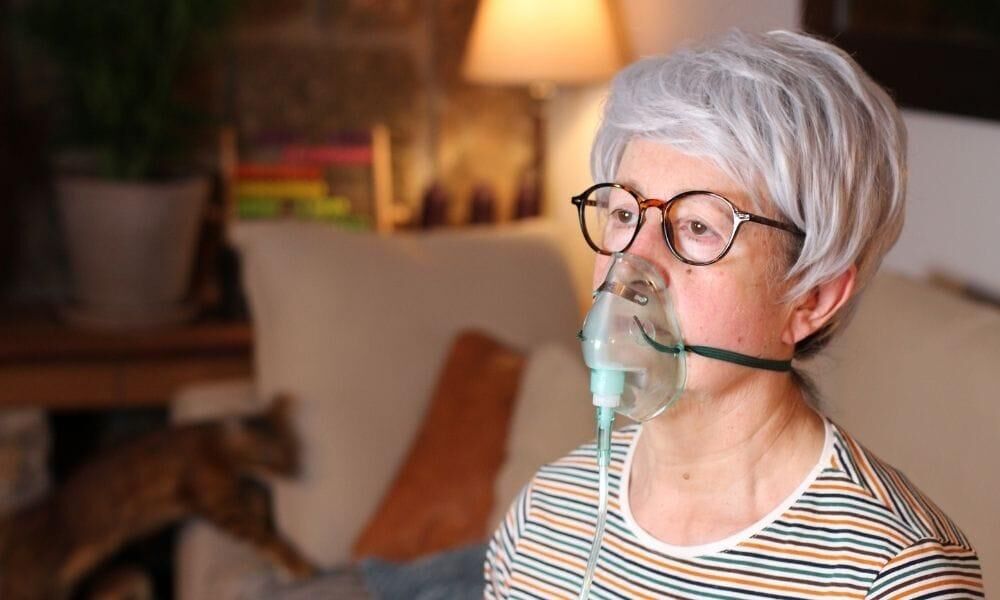
Preparing your home for respiratory care is an important step toward helping patients receive treatment safely and comfortably. Oxygen Therapy At Home In Dubai enables eligible patients to receive prescribed oxygen support in familiar surroundings while maintaining their daily routines. With guidance from a Doctor at Home, families can understand oxygen requirements, choose a suitable location for equipment, and establish a safe care environment. Proper preparation involves more than setting up an oxygen concentrator or cylinder. It also includes fire prevention, clear walking pathways, equipment maintenance, emergency planning, and caregiver education. By addressing these essentials before treatment begins, families can make home respiratory care more organized and support the patient's overall well-being.
Understand the Patient's Respiratory Care Needs:
Before preparing your home, understand the patient's diagnosis, prescribed treatment, and daily care requirements. Oxygen therapy is recommended for people who have specific medical conditions associated with low blood oxygen levels, not simply for anyone who experiences breathlessness. A healthcare professional determines whether supplemental oxygen is necessary and provides instructions about the required flow rate, duration, and delivery method. Families should clarify whether oxygen is needed continuously, during sleep, or only during particular activities. It is also helpful to discuss other treatments, including prescribed medicines and breathing exercises where appropriate. Understanding the complete care plan allows caregivers to organize the home around the patient's needs instead of making unnecessary changes or adjusting medical treatment independently.
Choose a Suitable Location for Oxygen Equipment:
Selecting an appropriate location for oxygen equipment helps support safe operation and convenient access. Oxygen concentrators require sufficient space around their air intake and exhaust openings, so they should not be placed in cramped corners or covered with clothing and other materials. Follow the manufacturer's instructions regarding ventilation, temperature, electrical connections, and clearance. Oxygen cylinders should be stored securely according to supplier guidance and kept away from heat sources. The equipment should remain accessible to the patient and caregiver without obstructing doorways or emergency exits. When choosing a location, consider the following points:
-
Select a stable, dry, and suitable surface for the equipment.
-
Keep ventilation openings clear and unobstructed.
-
Avoid placing equipment near curtains, heaters, or other heat sources.
-
Ensure tubing can reach the patient without creating unnecessary hazards.
-
Keep the equipment away from areas where it may be knocked over.
-
Follow the manufacturer's recommendations for electrical safety and placement.
A healthcare professional or oxygen supplier can help determine the most appropriate setup for the patient's prescribed equipment.
Create a Smoke-Free and Fire-Safe Environment:
Fire safety is one of the most important considerations when preparing a home for oxygen therapy. Oxygen is not flammable, but it supports combustion and can make fires start more easily and burn more intensely. Smoking, open flames, sparks, and other ignition sources must be kept away from oxygen equipment. Families should establish a strict no-smoking policy and ensure visitors understand the risks. Keep oxygen away from candles, fireplaces, gas stoves, matches, and other sources of heat. It is also sensible to review household fire alarms and emergency exits before treatment begins. Important precautions include:
-
Never smoke or allow anyone to smoke near oxygen equipment.
-
Keep oxygen away from open flames and ignition sources.
-
Place clear no-smoking reminders where necessary.
-
Keep flammable materials away from the equipment.
-
Review the household fire escape plan with all caregivers.
-
Follow all safety instructions provided by the oxygen supplier.
These precautions help protect the patient, family members, caregivers, and property.
Organize Furniture and Walking Pathways:
A well-organized home can make respiratory care easier, particularly for elderly patients and people with limited mobility. Oxygen tubing may stretch across the floor, creating a tripping hazard if furniture and walking routes are not arranged carefully. Clear pathways between the patient's bed, bathroom, living area, and other frequently used spaces. Remove loose rugs, electrical cords, and unnecessary clutter wherever possible. Ensure hallways are adequately lit, especially at night, and consider whether the patient needs assistance when moving between rooms. Caregivers should arrange tubing so it does not become trapped beneath furniture or sharply bent. These simple changes can help reduce falls, improve access to essential areas, and make everyday movement more manageable.
Prepare the Bedroom for Comfortable Respiratory Care:
The bedroom should provide a comfortable and practical environment for patients who use oxygen during rest or sleep. Position the bed so caregivers can reach the patient easily, and ensure the oxygen equipment is placed according to the manufacturer's safety instructions. Keep essential items, such as a telephone, prescribed medicines, and emergency contact details, within convenient reach. If the patient uses oxygen overnight, discuss the prescribed arrangements and any monitoring requirements with the healthcare professional. Families should avoid changing oxygen settings independently to address nighttime discomfort. Maintain a comfortable room temperature, keep pathways clear, and ensure that lighting is sufficient for safe movement. A well-prepared bedroom can support rest while allowing caregivers to respond promptly when assistance is needed.
Arrange and Maintain Oxygen Therapy Equipment:
Home respiratory care may involve an oxygen concentrator, oxygen cylinder, nasal cannula, mask, and connecting tubing. The equipment must be appropriate for the patient's prescription and maintained according to manufacturer instructions. Before treatment starts, ask the supplier to demonstrate how the device operates, how to recognize alarms, and what to do if the equipment stops working. Check tubing and connections regularly for visible damage, kinks, or disconnections. Clean equipment and replace components according to the recommended schedule. Families should also understand how to contact the supplier for maintenance or technical assistance. A useful preparation checklist includes:
-
Learn how to operate the prescribed oxygen equipment.
-
Review instructions for cleaning and replacing components.
-
Keep supplier contact information readily available.
-
Check equipment for visible damage and loose connections.
-
Understand what common alarms indicate.
-
Arrange backup oxygen or power contingency measures when recommended.
Never attempt technical repairs beyond the instructions provided by the manufacturer or supplier.
Prepare for Power Outages and Emergencies:
Patients who depend on an electric oxygen concentrator may need a backup plan for power failures or equipment breakdowns. Discuss contingency arrangements with the healthcare professional and oxygen supplier before relying on home treatment. Depending on the patient's needs, this may include a suitable backup oxygen supply, a plan for accessing emergency assistance, or instructions for using approved alternative equipment. Keep emergency telephone numbers accessible and ensure caregivers know when to contact the supplier versus emergency services. Families should also identify the quickest route out of the home and keep exits unobstructed. If the patient experiences severe breathing difficulty, chest pain, blue or grey lips, fainting, or new confusion, seek emergency medical assistance immediately rather than spending time troubleshooting the equipment.
Support Daily Hygiene and Patient Comfort:
Maintaining hygiene and comfort is an important part of preparing for respiratory care at home. Patients and caregivers should wash their hands before handling oxygen delivery components and follow the manufacturer's instructions for cleaning the equipment. Nasal cannulas, masks, and tubing should be replaced as recommended, while any reusable components should be cleaned according to approved guidance. If oxygen causes nasal dryness or skin irritation, consult a healthcare professional or pharmacist about suitable products rather than applying petroleum-based substances near oxygen equipment. Keep the patient's essential care supplies organized in a clean, accessible location. Families can also prepare comfortable clothing, appropriate bedding, and a simple daily care schedule to help the patient manage treatment with less disruption.
Educate Family Members and Caregivers:
Everyone involved in the patient's care should understand how oxygen therapy works and what their responsibilities are. Caregivers need to know the prescribed flow rate, when oxygen should be used, how to recognize equipment problems, and whom to contact for assistance. They should also understand fire safety requirements and the symptoms that indicate a medical emergency. A written care plan can help prevent confusion when multiple family members share responsibilities. Keep the prescription, equipment instructions, medication list, and emergency contact information in an accessible place. Regular communication with the healthcare team helps ensure that caregivers follow current instructions and report any changes in the patient's breathing or general condition promptly.
Final Thoughts:
Preparing your home for oxygen therapy and respiratory care requires thoughtful planning, suitable equipment placement, fire prevention, organized pathways, and clear emergency procedures. These preparations can help patients receive prescribed oxygen support in a safer and more comfortable environment. Families should work closely with healthcare professionals, follow equipment instructions, and avoid changing oxygen settings without medical advice. For patients considering Oxygen Therapy At Home In Dubai, professional assessment is the first step toward establishing an appropriate treatment plan. With consistent monitoring, well-informed caregivers, and a properly prepared home, respiratory care can become a more manageable part of everyday life

 English
 Arabic
 French
 Spanish
 Portuguese
 Deutsch
 Turkish
 Dutch
Dutch
 Italiano
 Russian
 Romaian
 Greek
Greek
 Hrvatski
 Cehoslowakia
