


Rainy Day Style: Keeping Cashmere Looking Good in Damp Weather
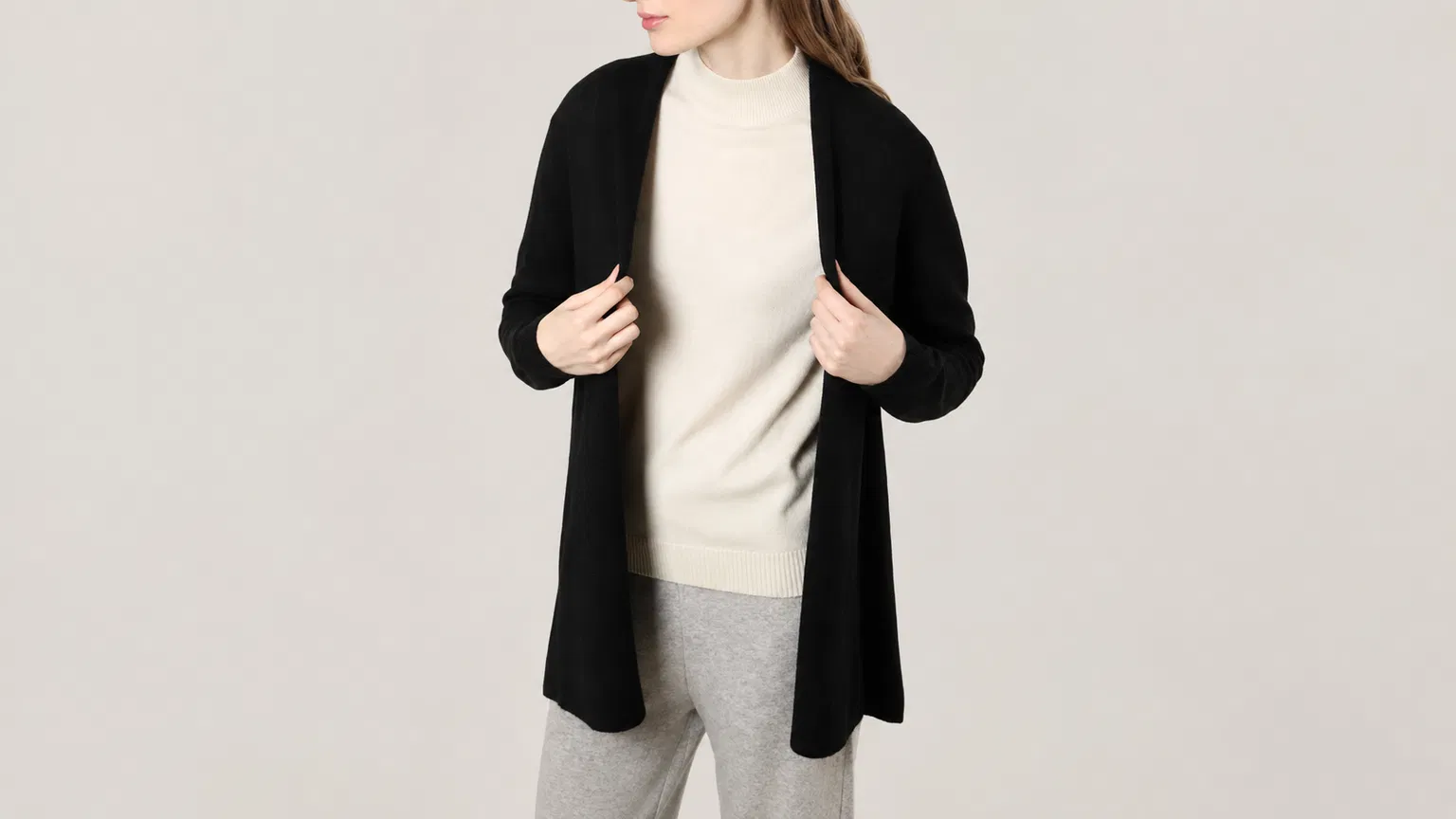
Rainy weather can make getting dressed more complicated, especially when your outfit includes delicate knitwear. Cashmere is valued for its softness, warmth, and refined appearance, but damp conditions require a little more thought than an ordinary dry day. Light rain, humidity, wet surfaces, and sudden changes in temperature can all affect how a cashmere garment feels and looks. That does not mean cashmere needs to be reserved for perfectly dry weather. With sensible layering, suitable outerwear, careful handling, and proper drying habits, you can comfortably wear Black Cashmere Cardigans during damp weather while protecting their appearance and longevity.
Understanding How Damp Weather Affects Cashmere
Cashmere is a natural animal fiber with a soft and delicate structure, which means it responds differently to moisture than many synthetic fabrics. A little atmospheric humidity is not necessarily harmful, but prolonged exposure to rain or soaking wet conditions can create problems. Moisture can make the fibers feel heavier, increase drying time, and leave the garment vulnerable to stretching or distortion if it is handled incorrectly while wet.
The key is understanding the difference between wearing cashmere in humid weather and allowing it to become saturated. A humid morning or brief exposure to light drizzle is very different from walking through heavy rain without protection. Black Cashmere Cardigans can remain part of a practical rainy-day wardrobe when they are paired with an appropriate outer layer that prevents direct exposure to significant moisture.
Choose the Right Outer Layer
The most important part of wearing cashmere in rainy weather is keeping the cardigan protected from direct rainfall. A waterproof or water-resistant coat can create a barrier between the cashmere and the elements while allowing you to benefit from its warmth and softness underneath.
A lightweight raincoat, trench coat with suitable weather protection, or water-resistant jacket can work particularly well over a cardigan. The outer layer should have enough room to accommodate the cashmere without compressing it excessively. If the coat is too tight, the cardigan may bunch around the shoulders and sleeves, which can make the entire outfit uncomfortable and affect the garment's shape.
The ideal combination depends on the intensity of the weather. For light drizzle, a simple protective jacket may be enough. During heavier rain, a properly weatherproof outer layer becomes much more important. The goal is not to make cashmere resistant to rain but to prevent it from having to deal with the rain directly.
Keep Your Cardigan Away From Heavy Rain
Cashmere can handle everyday wear, but it is not the fabric you want exposed to prolonged heavy rainfall. If the forecast suggests significant rain, think about how much time you will actually spend outside before choosing your outfit.
For a short commute from a car to an office, wearing Black Cashmere Cardigans underneath a protective coat can be perfectly practical. If you are going to spend several hours walking outdoors in wet conditions, however, another knitwear option may be more suitable.
This simple distinction can protect your investment. Cashmere does not need to be treated as something that can never leave the house during wet weather, but it should not be deliberately exposed to unnecessary moisture either. Good wardrobe management is often about choosing the right garment for the conditions rather than trying to make every garment work in every situation.
Use Layers to Control Temperature
Rainy weather often brings cooler temperatures, but indoor spaces may remain warm. This makes layering especially useful. Instead of relying on a single heavy sweater, you can wear a lightweight base layer beneath your cardigan and use a protective coat as the outermost layer.
A cotton T-shirt, lightweight long-sleeve shirt, or fine-knit top can provide a comfortable foundation. The cashmere cardigan adds warmth without creating excessive bulk, while the rain-resistant coat handles the weather outside.
This layered approach also makes it easier to adjust your outfit throughout the day. When you arrive indoors, the outer coat can be removed while the cardigan remains comfortable. If the temperature rises, you have the option of removing another layer without completely changing your outfit.
Be Careful When Your Cardigan Gets Damp
Sometimes rain cannot be avoided. A sudden shower may catch you outside, or a few drops may reach your cardigan before you find shelter. If your cashmere becomes slightly damp, the most important thing is to avoid overreacting.
Do not immediately wring, twist, or aggressively rub the garment. Wet or damp fibers can be more vulnerable to stretching and distortion, and rough handling can affect the shape of the knit. Instead, gently remove any excess moisture from the surface without applying unnecessary pressure.
If the cardigan is only lightly damp, allow it to dry naturally in a suitable indoor environment. Keeping it away from intense heat is important because radiators, hair dryers, and other direct heat sources can affect natural fibers.
Dry Cashmere the Right Way
How you dry cashmere after exposure to moisture can make a significant difference to its long-term condition. Hanging a wet or heavily damp cardigan can cause the weight of the moisture to pull downward on the fibers, potentially changing the garment's shape.
Instead, follow the care instructions provided with the garment. In many cases, gently reshaping the cardigan and laying it flat on a clean, dry surface allows it to dry more evenly. Avoid placing it in direct sunlight or next to strong artificial heat.
Patience is important. Cashmere may take some time to dry completely, particularly in humid weather. Moving it repeatedly, applying heat, or attempting to speed up the process can create more problems than the original moisture exposure.
Watch Out for Friction on Rainy Days
Rainy-day clothing often involves more layers, umbrellas, bags, coats, and accessories, which can increase friction against knitwear. Repeated rubbing can contribute to pilling, particularly around areas such as the sides, underarms, shoulders, and lower sleeves.
When wearing Black Cashmere Cardigans, pay attention to how your handbag, backpack, coat, or crossbody strap sits against the fabric. A rough strap repeatedly rubbing against the same area can accelerate surface wear.
This does not mean you need to avoid carrying bags with cashmere. Instead, consider how your accessories interact with the garment and adjust their position when possible. Small changes in everyday habits can help preserve the appearance of frequently worn knitwear.
Avoid Overloading Your Cardigan With Accessories
Rainy weather often encourages practical accessories such as scarves, bags, gloves, and waterproof layers. While these can complete an outfit, too many heavy accessories can create unnecessary pressure and friction against a cashmere cardigan.
A simple styling approach can actually work better. Pair a black cardigan with a lightweight shirt, tailored trousers or jeans, weather-appropriate footwear, and a protective outer layer. The result is practical without making the outfit feel overloaded.
The understated nature of Black Cashmere Cardigans also makes them easy to combine with functional rainy-day pieces. A neutral cardigan can balance the more technical appearance of waterproof outerwear and keep the overall outfit looking polished.
Think About Footwear and the Full Outfit
Rainy-day style is not only about protecting your upper layers. Wet sidewalks, puddles, and slippery surfaces mean footwear should also be selected with the conditions in mind.
Water-resistant boots or shoes can make a practical difference, particularly if you expect to spend significant time outdoors. Pairing appropriate footwear with a protective coat allows the cashmere cardigan to remain an elegant middle layer rather than becoming the garment responsible for handling the weather.
A black cardigan also gives you considerable freedom with the rest of your outfit. Dark denim, tailored trousers, neutral skirts, and many different coat colors can all work naturally with black, making it easier to build a weather-conscious outfit without sacrificing personal style.
Avoid Wearing Cashmere When You Know You Will Get Soaked
There are situations when leaving cashmere at home is simply the smarter choice. If heavy rain is expected, you have a long outdoor journey ahead, or you know that your outerwear is not sufficiently weatherproof, choosing another layer can prevent unnecessary damage.
Good wardrobe planning means understanding the strengths and limitations of each garment. Cashmere is excellent for warmth, softness, layering, and refined everyday style, but it is not designed to replace a waterproof outer layer.
Keeping Black Cashmere Cardigans for situations where they can remain reasonably protected allows you to enjoy their benefits without exposing them to avoidable wear. This approach can significantly extend the useful life of a quality cardigan.
Give Your Cardigan Time Between Wears
Damp weather can make clothes feel as though they need immediate washing, but washing cashmere too frequently is not always necessary. If your cardigan has only been exposed to light humidity or a few drops of rain and remains clean, allowing it to air out properly may be sufficient.
Give the garment enough time to dry completely before folding it away. Avoid placing slightly damp knitwear directly into a drawer or wardrobe because trapped moisture can create an unpleasant environment for the fabric.
Rotating your knitwear can also help. Rather than wearing the same cardigan every rainy day, give it time to rest and recover between uses. This simple habit can reduce unnecessary stress on the fibers.
Store Cashmere Carefully After Wet Weather
Once your cardigan is completely dry, proper storage becomes the next consideration. Cashmere should generally be folded rather than left hanging for long periods, particularly when you want to protect its shape.
Make sure the storage area is dry, clean, and reasonably well ventilated. Avoid putting the cardigan away while it still feels cool or damp to the touch. Even if it appears nearly dry, hidden moisture can remain within the fibers.
Seasonal storage also deserves attention. Before putting a cardigan away for a longer period, make sure it is clean and completely dry, and follow appropriate storage practices for natural fibers. Careful storage reduces the chances of unpleasant odors, fabric damage, and unwanted pests.
Make Rainy Day Cashmere Part of a Smarter Wardrobe
The best way to enjoy cashmere during wet seasons is to think of it as part of a layered system rather than as a standalone weatherproof garment. The cardigan provides softness and insulation, the base layer adds comfort, and the outer coat protects everything from rain and wind.
This approach allows Black Cashmere Cardigans to remain useful across changing weather conditions without asking the fabric to perform a job it was never designed to do. Instead of avoiding cashmere whenever rain appears in the forecast, you can simply adjust the way you wear and protect it.
A well-planned wardrobe should make dressing easier rather than creating unnecessary restrictions. With the right combination of layers, outerwear, accessories, and care habits, cashmere can remain a practical option during many damp-weather days.
Final Thoughts
Rain does not automatically mean cashmere has to stay inside the wardrobe. The key is protection, thoughtful layering, and careful handling when moisture does reach the fabric. Keeping your cardigan beneath a suitable weather-resistant coat, avoiding heavy exposure to rain, and allowing damp cashmere to dry naturally can help maintain its softness and shape.
Black Cashmere Cardigans are particularly useful because their classic color works effortlessly with practical outerwear, neutral accessories, jeans, tailored trousers, and a wide range of rainy-day outfits. With sensible care and realistic expectations, you can continue enjoying cashmere during damp weather while protecting it from unnecessary damage. The result is a wardrobe that combines comfort, practicality, and polished style even when the forecast is less than perfect.
 English
 Arabic
 French
 Spanish
 Portuguese
 Deutsch
 Turkish
 Dutch
Dutch
 Italiano
 Russian
 Romaian
 Portuguese (Brazil)
 Greek
Greek
 Hrvatski
 Cehoslowakia