


Why Property Ownership Records Matter for Buyers
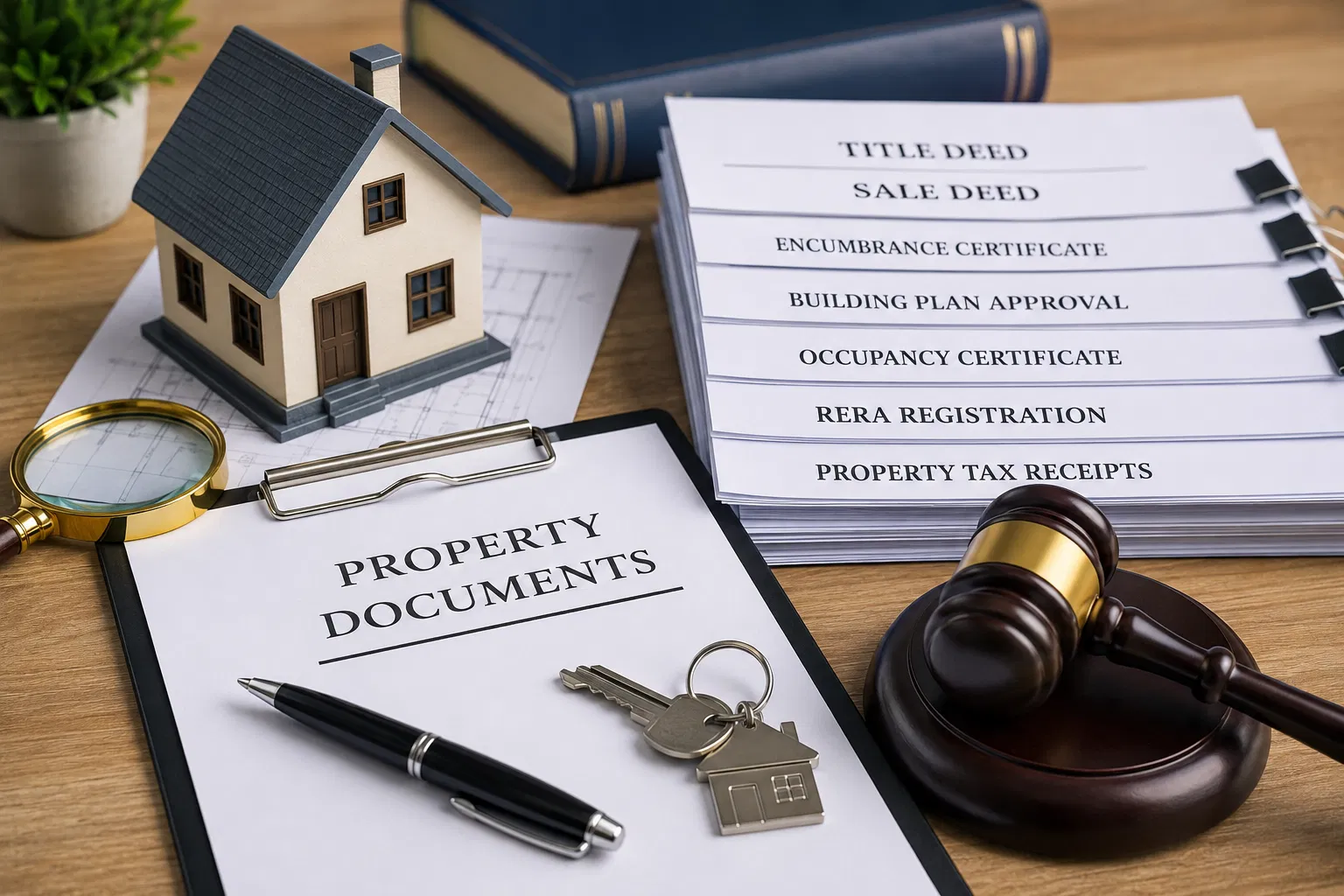
Buying property is one of the biggest financial decisions many people make. Whether purchasing a home, apartment, plot, or commercial property, buyers want to know that the transaction is legitimate and that their ownership rights will be properly recognized. This is why Property Ownership records are so important. These records can provide valuable information about who owns a property and help buyers understand its legal and financial background before completing a purchase.
Property records can vary depending on the country, region, and type of real estate. Some locations maintain centralized land registries, while others use different systems for recording ownership and transfers. Regardless of the system, checking official records can be an important part of property due diligence.
What Are Property Ownership Records?
Property ownership records are official or legally recognized documents that provide information about a property's registered owner and other relevant details. Depending on the jurisdiction, these records may include title information, registration details, transfer history, property descriptions, or other legal information.
For buyers, these records provide an important starting point for understanding who has recognized ownership rights over the property. They can also help establish whether the information provided by a seller matches the available official documentation.
Confirming the Legal Owner
One of the most important reasons to review Property Ownership records is to confirm that the person selling the property has the legal authority to do so.
A seller may present documents claiming ownership, but buyers should independently verify the information through appropriate official records. If the registered owner is different from the person offering the property, further investigation may be necessary before proceeding.
Reducing the Risk of Fraud
Property transactions can involve significant amounts of money, making them attractive targets for fraudulent activity. Buyers who rely only on advertisements, verbal promises, or unofficial documents may face unnecessary risks.
Checking official ownership records can help buyers identify discrepancies between what a seller claims and what is officially recorded. This does not eliminate every possible risk, but it can be an important part of a broader due diligence process.
Understanding Ownership History
Ownership records may provide information about how a property has changed hands over time. Reviewing previous transfers can help buyers understand the property's ownership history.
A clear history can make a transaction easier to understand. If there are unexplained transfers, conflicting information, or gaps in the available records, buyers may need additional documentation or professional advice before proceeding.
Identifying Multiple Owners
Some properties may have more than one legal owner. This can happen through joint ownership, inheritance, partnerships, or other arrangements.
Buyers should determine whether all relevant owners have rights over the property and whether their consent is required for the sale. Completing a transaction without properly addressing multiple ownership interests can create complications later.
Checking for Mortgages and Liens
A property's ownership record may be connected to financial claims such as mortgages, liens, charges, or other registered interests. The exact terminology and legal effect vary between jurisdictions.
Buyers should investigate whether any such claims exist before completing a purchase. If a property has an outstanding financial obligation, the transaction should address how that obligation will be resolved.

Discovering Legal Disputes
Property may sometimes be involved in legal disputes, inheritance claims, boundary disagreements, or other proceedings. These issues can affect the buyer's ability to obtain clear ownership.
Reviewing available records and obtaining appropriate legal advice can help buyers identify potential concerns. Buyers should not assume that a low price or attractive deal outweighs unresolved legal issues.
Verifying Property Details
Ownership records can also help buyers confirm basic property information. Details may include the property address, plot number, land area, boundaries, registration number, or other identifying information.
Buyers should compare these details with the physical property and documents provided by the seller. Significant differences should be investigated before any major financial commitment is made.
Supporting a Safer Purchase Agreement
Accurate Property Ownership information can support the preparation of a purchase agreement. The agreement should correctly identify the parties and the property involved in the transaction.
If the ownership information is unclear, it may be difficult to establish who has the authority to enter into the agreement. Confirming ownership before signing can therefore help create a clearer transaction process.
Helping With Financing
Buyers who use mortgage or other property financing may need to provide ownership and property documentation to lenders. Lenders often conduct their own checks before approving financing.
Having accurate ownership records available can make the verification process more straightforward. However, buyers should still conduct their own due diligence rather than relying solely on a lender's checks.
Supporting Future Transactions
Ownership records can remain important long after the original purchase. If an owner later decides to sell, transfer, refinance, or otherwise deal with the property, accurate records can help establish their legal position.
Keeping ownership documents organized can make future transactions easier and reduce the need to search for important records at a later stage.
Helping With Inheritance Planning
Property can become an important part of an individual's estate. Clear ownership records can help establish what property belongs to an owner and may assist with future inheritance or estate administration.
The specific inheritance process depends on local laws and the owner's circumstances. Professional legal advice may be appropriate when ownership involves multiple family members or complicated estate arrangements.
Comparing Records With Seller Documents
Buyers should compare official records with the documents supplied by the seller. Names, property descriptions, dates, registration information, and other relevant details should be consistent.
If information does not match, buyers should ask for clarification and verify the explanation independently. An unexplained inconsistency should not simply be ignored because the property appears attractive.
Why Professional Verification Can Help
Property law can be complicated, particularly when ownership involves multiple parties, previous transfers, inheritance, financing, or disputes. A qualified property lawyer or other appropriate professional can review records and explain potential issues.
Professional support can be especially valuable for first-time buyers who are unfamiliar with property documentation and local procedures. The cost of appropriate advice may help buyers avoid much larger problems later.
Do Not Rely Only on Online Listings
Online property listings can be useful for finding homes and comparing prices, but they should not be treated as proof of Property Ownership.
Listings may contain outdated or incomplete information. Buyers should use appropriate official records and independent verification before paying a deposit or signing a significant agreement.
Keep Ownership Records Secure
After purchasing a property, owners should keep important ownership records secure and accessible. These may include title documents, registration records, purchase agreements, transfer documents, and other relevant paperwork.
Digital backups can also be useful, provided sensitive information is stored securely. Organized records can make future legal, financial, or administrative processes easier.
Final Thoughts
Property Ownership records matter because they provide important information about who legally owns a property and can reveal details that buyers need to understand before completing a transaction. They can help confirm ownership, identify multiple owners, reveal financial claims, provide ownership history, and highlight potential legal concerns.
Buyers should compare official records with the seller's documents and the physical property itself. Any inconsistency should be investigated before proceeding. Professional legal assistance can also be valuable when the transaction involves complicated ownership structures or potential disputes.
Property laws and record systems vary between locations, so buyers should always use the appropriate official sources for verification. Taking time to review Property Ownership records may require additional effort, but careful due diligence can help buyers make more informed decisions and approach a major property purchase with greater confidence.


 English
 Arabic
 Spanish
 Portuguese
 Deutsch
 Turkish
 Dutch
Dutch
 Italiano
 Russian
 Romaian
 Portuguese (Brazil)
 Greek
Greek
 Hrvatski
 Cehoslowakia