


IV Drip at Home for Patients With Limited Mobility
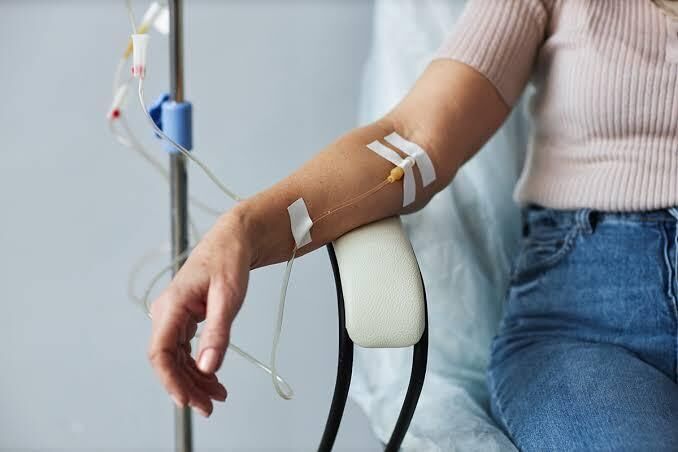
For patients with limited mobility, traveling to a healthcare facility for every treatment can be physically demanding and time-consuming. IV Drip at Home in Dubai provides an option for eligible patients to receive prescribed intravenous fluids, medications, or other treatments in a familiar home environment. With Doctor at Home services, qualified healthcare professionals can assess the patient, administer the prescribed IV treatment, and provide appropriate monitoring without requiring the patient to make an unnecessary journey. Home-based IV care can therefore support convenience while maintaining professional supervision and individualized treatment.
Why Limited Mobility Can Make Healthcare Visits Difficult?:
Limited mobility may result from age-related changes, recovery after surgery or illness, neurological conditions, musculoskeletal problems, or other circumstances affecting movement. For these patients, arranging transportation, getting into a vehicle, navigating a healthcare facility, and waiting for an appointment may require considerable physical effort. Frequent travel can also place additional demands on family members and caregivers. When a patient is medically suitable for home treatment, receiving certain prescribed therapies at home can reduce these logistical challenges and make scheduled healthcare easier to manage.
What Is IV Drip Therapy?:
IV drip therapy delivers prescribed fluids, medications, or other clinically appropriate treatments directly into a vein through an intravenous catheter. The specific treatment depends on the patient's medical condition and healthcare plan. A qualified healthcare professional should determine whether IV therapy is appropriate and identify the correct treatment, dosage, and administration method. Home IV treatment is not intended to replace emergency or hospital care when a patient's condition requires advanced monitoring or immediate medical intervention.
How Home IV Therapy Supports Patients With Limited Mobility?:
The main advantage of home IV therapy for patients with limited mobility is that it can reduce the need for unnecessary travel when the treatment is clinically appropriate. A healthcare professional can visit the patient's home, prepare the required supplies, administer the prescribed infusion, and monitor the patient during treatment. This allows the patient to remain in a familiar environment and can reduce the physical effort associated with attending an outside facility. It may also make it easier for caregivers to coordinate treatment and remain available to assist the patient.
Potential benefits include:
- Reduced transportation requirements
- Less physical effort for the patient
- Treatment in a familiar environment
- Greater convenience for caregivers
- Professional monitoring during IV administration
- Easier coordination of scheduled treatments
Who May Benefit From Home-Based IV Care?:
Patients with different levels and causes of limited mobility may potentially benefit from home-based IV treatment when it has been medically recommended. Older adults, individuals recovering from illness or surgery, patients who have difficulty walking, and people who require assistance with transportation may find home treatment more convenient. However, mobility limitations alone do not automatically make someone suitable for IV therapy at home. A healthcare professional should assess the patient's overall condition, treatment requirements, and ability to receive care safely in the home.
What Happens During the Initial Assessment?:
Before an IV drip begins, the healthcare professional reviews the patient's treatment plan and relevant medical information. This may include current medications, allergies, existing health conditions, previous reactions to IV treatment, and recent symptoms. Depending on the patient's circumstances, appropriate health measurements may also be taken. For a patient with limited mobility, the professional can consider positioning, comfort, accessibility, and the available treatment environment. This assessment helps determine whether the planned IV therapy can be provided safely at home.
Patients should provide information about:
- Current medications and supplements
- Known allergies
- Existing medical conditions
- Previous IV treatment experiences
- Recent changes in health
- Prescriptions or instructions from the treating healthcare provider
How Is the Home Environment Prepared?:
A suitable home environment can make IV administration more comfortable and organized. The patient should have a clean, well-lit area where they can sit or lie comfortably for the duration of treatment. Patients with limited mobility may benefit from having appropriate pillows, cushions, or supportive seating available so that they can maintain a comfortable position without unnecessary movement. The healthcare professional will organize the clinical equipment and ensure that supplies are handled according to appropriate safety procedures.
How Is the IV Administered Safely?:
Once the treatment plan has been confirmed, the healthcare professional selects an appropriate vein and prepares the insertion area using suitable infection-control procedures. A small IV catheter is inserted and secured before the prescribed fluid or medication is administered at the appropriate rate. Patients may feel a brief pinch during insertion, but significant pain or increasing discomfort should be reported immediately. The professional remains responsible for monitoring the IV equipment and should make any necessary adjustments according to clinical procedures.
How Are Patients Monitored During the Infusion?:
Monitoring is particularly important because IV treatment introduces fluids or medications directly into the bloodstream. During the session, the healthcare professional observes the patient and checks the IV site for potential problems such as swelling, leakage, redness, or discomfort. The patient should communicate any unexpected symptoms as soon as they occur. Depending on the prescribed treatment and the patient's condition, the professional may also monitor appropriate health measurements. Patients should not adjust the IV flow, manipulate the catheter, or disconnect the equipment themselves.
Patients should promptly report:
- Pain or burning at the IV site
- Swelling or redness
- Leakage around the catheter
- Dizziness or unusual weakness
- Difficulty breathing
- Any sudden or unexpected symptoms
How Can Caregivers Support Patients During IV Therapy?:
Caregivers can play an important supportive role when a patient has limited mobility. Before the appointment, they can help prepare the treatment area and make sure relevant medical information is available. During the session, they can help the patient remain comfortable while allowing the healthcare professional to manage the clinical aspects of treatment. Caregivers should not attempt to change the IV flow rate, reposition the catheter, or administer additional substances unless specifically instructed and appropriately trained to do so.
What Happens After the IV Drip?:
After the prescribed treatment has been completed, the healthcare professional stops the infusion and removes the IV catheter using appropriate procedures. The insertion site is checked for bleeding, swelling, or other concerns, and aftercare instructions may be provided. Patients with limited mobility may need additional assistance returning to their normal position or activity after the session. The caregiver can help ensure that the patient has everything needed nearby while following the healthcare professional's instructions. Any concerning symptoms that occur after treatment should be communicated to an appropriate medical professional.
How Can Home IV Therapy Improve Patient Comfort?:
Receiving prescribed IV treatment at home may allow patients to avoid the stress and physical demands associated with transportation and waiting rooms. Patients can remain surrounded by familiar belongings and supported by family members or caregivers when appropriate. This can be particularly valuable for people who require assistance with movement or who become fatigued easily. Comfort, however, should always be balanced with clinical safety. If a patient's condition requires hospital-level monitoring or urgent assessment, home IV therapy may not be appropriate.
What Safety Measures Should Patients Follow?:
Patients should treat home IV therapy as a professional medical procedure rather than a routine activity that can be performed without supervision. Qualified healthcare professionals should manage IV insertion, administration, monitoring, and removal. Patients should provide complete medical information and follow all treatment and aftercare instructions.
Important safety measures include:
- Use qualified healthcare professionals for IV administration
- Provide complete medication and allergy information
- Keep the treatment area clean and accessible
- Report discomfort immediately
- Avoid touching or adjusting IV equipment
- Follow prescribed treatment instructions
- Seek urgent medical attention for serious symptoms
When Is Home IV Treatment Not Suitable?:
Although home treatment can be convenient for eligible patients, it is not appropriate for every situation. Patients experiencing severe symptoms, serious infections, significant breathing difficulties, chest discomfort, loss of consciousness, or other medical emergencies may require urgent facility-based care. Similarly, some treatments require specialized equipment or continuous monitoring that may not be available in a home environment. A healthcare professional should make the decision about whether home IV therapy is suitable based on the patient's individual circumstances.
Final Thoughts
IV Drip at Home in Dubai can provide a practical option for eligible patients with limited mobility who have been prescribed intravenous treatment. By reducing unnecessary travel, home IV care can make scheduled treatment more manageable for patients and caregivers while allowing professional nurses to provide assessment, administration, and monitoring. A clean treatment environment, accurate medical information, qualified professional care, and clear communication are essential for safety. When clinically appropriate, home-based IV therapy can bring structured healthcare closer to patients who may find regular healthcare visits physically challenging.

 English
 Arabic
 French
 Spanish
 Portuguese
 Deutsch
 Turkish
 Dutch
Dutch
 Italiano
 Romaian
 Portuguese (Brazil)
 Greek
Greek
 Hrvatski
 Cehoslowakia