


Laser Cleaner Price: What Determines the Cost of Modern Laser Cleaning Machines
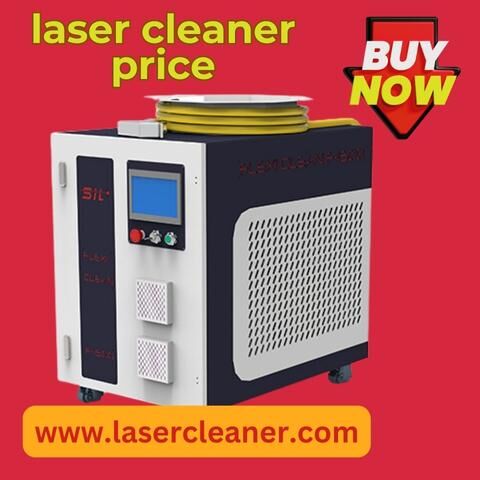
Laser cleaning technology has become an important solution for industries that need to remove rust, paint, oil, oxide layers, and other unwanted materials from metal surfaces. As more manufacturers and workshops consider this technology, one of the first questions they ask is about laser cleaner price. The cost can vary considerably depending on the machine's laser power, cleaning method, configuration, automation level, and intended application.
Understanding what influences the price makes it easier for buyers to compare machines and select equipment that matches their production requirements. Instead of looking only at the initial purchase price, businesses can consider how the machine will be used, what materials need to be cleaned, and how frequently cleaning operations will be performed.
What Is a Laser Cleaning Machine?
A laser cleaning machine uses concentrated laser energy to remove unwanted substances from a surface. Depending on the application, the laser can separate contaminants such as rust, paint, grease, carbon deposits, and oxide layers from metals and other suitable materials.
The cleaning process is generally based on the interaction between the laser beam and the unwanted material. When the laser parameters are correctly selected, contaminants can be removed while the underlying surface remains largely unaffected.
Laser cleaning is used in manufacturing, automotive repair, metal fabrication, restoration, maintenance, shipbuilding, aerospace-related applications, and many other industrial environments.
Why Laser Cleaner Price Can Vary
There is no single standard price for every laser cleaning machine. Two machines may look similar but have significantly different prices because of their internal components, laser source, power rating, scanning system, cooling arrangement, and control configuration.
For example, a compact machine designed for occasional surface cleaning will generally have a different price from a high-power industrial system designed for continuous production.
When researching laser cleaner price, buyers should therefore compare machines according to their actual specifications rather than comparing only the advertised starting price.
Laser Power and Its Effect on Cost
Laser power is one of the most noticeable factors affecting machine pricing. Lower-power machines are commonly used for light rust, surface contamination, paint removal, and delicate cleaning applications.
Higher-power systems can be designed for heavier contamination and faster material removal. They may also be more suitable for demanding industrial workloads.
Common power categories include systems around 1000W, 1500W, 2000W, and higher. The appropriate power depends on the material, contaminant thickness, required cleaning speed, and production volume.
A higher wattage does not automatically mean that a machine is suitable for every application. Buyers should select power based on the actual cleaning requirements.
Different Types of Laser Cleaning Machines
Laser cleaning equipment is available in several configurations. Handheld machines are particularly popular for workshops because the operator can move the cleaning head across different surfaces.
Portable laser cleaners are useful when equipment needs to be moved between work areas or when large components cannot easily be transported to a fixed cleaning station.
Automated laser cleaning systems are designed for manufacturers that require repeatable processes and integration with production lines. These systems can cost more because they may include automated movement systems, specialized fixtures, software, and other equipment.
The machine configuration should therefore be considered when comparing laser cleaner price.
Continuous and Pulsed Laser Cleaning
Laser cleaning machines can use different laser technologies depending on the intended application.
Continuous-wave systems can deliver consistent laser energy and are often considered for applications where higher cleaning productivity is required. Pulsed laser systems deliver energy in controlled pulses and can be useful for applications where precise surface treatment is important.
The choice depends on the material and contamination being removed. A machine designed for industrial rust removal may have different specifications from one intended for precision cleaning or restoration work.
What Materials Can Be Cleaned?
Laser cleaning is commonly associated with metal surfaces. Steel, stainless steel, aluminum, copper, and other suitable materials can be treated when the correct laser parameters are used.
Typical contaminants include rust, paint, oil, grease, oxidation, carbon deposits, and other surface residues.
Before purchasing equipment, businesses should test the machine on the actual material and contamination they plan to remove. A demonstration or sample cleaning can provide useful information about cleaning speed, surface condition, and suitable laser settings.
Understanding the Total Cost
When researching laser cleaner price, it is important to look beyond the machine's basic purchase cost. Depending on the supplier and configuration, the final investment may include transportation, installation, operator training, protective equipment, spare parts, and other accessories.
The laser source is also an important consideration. Reputable laser components can contribute to the overall cost while providing a particular level of operating performance and service support.
A low initial price may not always represent the complete cost of ownership, so buyers should request a detailed quotation that clearly identifies what is included.
Choosing the Right Cleaning Power
Selecting the correct laser power starts with the cleaning task.
Light surface contamination may not require a high-power system. For thicker rust, multiple layers of paint, heavy oxidation, or demanding industrial cleaning, a higher-power machine may be more appropriate.
The required cleaning area also matters. A workshop cleaning small components may have different requirements from a manufacturer cleaning large metal structures every day.
Businesses should identify the material, contamination type, contamination thickness, cleaning area, working hours, and required production speed before comparing machines.
Comparing Suppliers Before Purchase
Supplier selection is another important part of purchasing laser cleaning equipment. Buyers should examine the machine specifications, laser source, warranty terms, technical support, spare-part availability, and operating instructions.
It is also useful to ask for videos or samples showing the machine cleaning the same type of material and contamination found in the buyer's application.
A professional supplier should be able to explain the available power options and recommend suitable settings based on the intended cleaning process.
Where Laser Cleaning Is Being Used
Laser cleaning machines are used across many industries. Metal fabrication companies can use them for preparing surfaces before welding, coating, or further processing.
Automotive workshops may use laser cleaning for removing rust, paint, and contaminants from components. Manufacturing facilities can use the technology for maintenance and surface preparation.
In industrial maintenance, laser cleaning can help prepare machinery and metal structures for inspection, repair, painting, or restoration.
The growing range of applications is one reason interest in laser cleaning equipment continues to increase.
Is a Laser Cleaner Worth Considering?
The answer depends on the user's cleaning requirements and operating environment. Businesses performing frequent surface preparation may consider whether the machine can fit into their regular workflow.
For occasional cleaning, a lower-capacity machine may be sufficient. Companies handling large quantities of parts may require a more powerful or automated solution.
Instead of selecting equipment based solely on the lowest laser cleaner price, buyers should consider whether the machine matches their workload and cleaning objectives.
How to Request an Accurate Quote
To receive a more useful quotation, provide the supplier with detailed information about your application. Mention the material being cleaned, type of contamination, approximate thickness, component dimensions, desired cleaning speed, and expected working hours.
Photos or sample parts can also help suppliers understand the application.
Ask for the exact laser power, laser source manufacturer, machine configuration, warranty coverage, included accessories, shipping terms, and after-sales support. This makes it easier to compare quotations from different suppliers.
Final Thoughts
Understanding laser cleaner price requires more than looking at a single number. Machine power, laser technology, configuration, cleaning application, components, automation, and supplier support can all influence the final cost.

 English
 Arabic
 French
 Portuguese
 Deutsch
 Turkish
 Dutch
Dutch
 Italiano
 Russian
 Romaian
 Portuguese (Brazil)
 Greek
Greek
 Hrvatski
 Cehoslowakia