


High-Performance Copper Alloy Contact Wire in Modern Electrified Railways
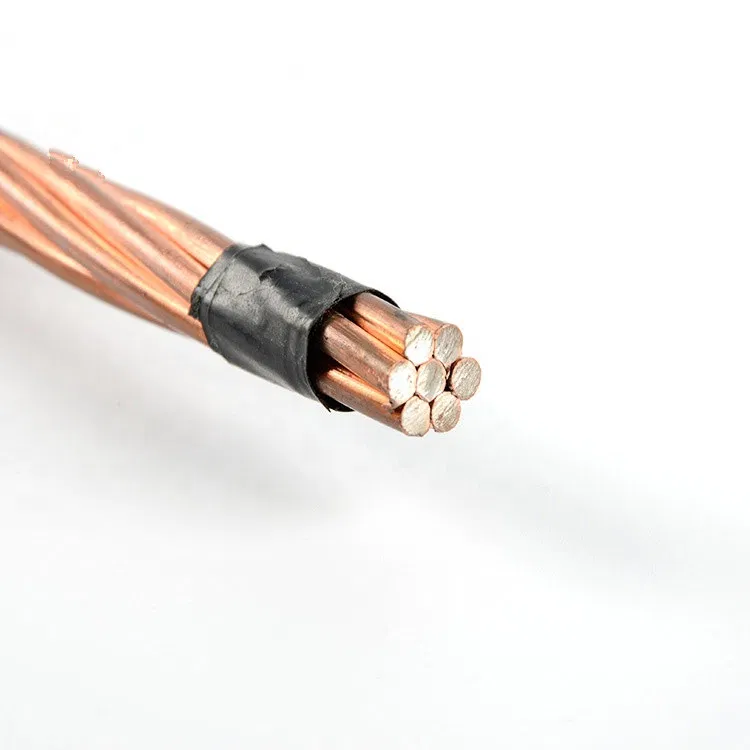
Modern railway systems rely heavily on complex electrical networks to transmit power seamlessly from sub-stations to high-speed locomotives. At the core of this overhead catenary system sits the contact wire, the vital physical and electrical interface through which electrical energy is continuously transferred to moving trains. As global railway networks evolve toward higher speeds, heavier axle loads, and increased operational frequencies, the demands placed upon overhead conductor materials have reached unprecedented levels. Engineers and metallurgists constantly refine material compositions to endure extreme mechanical friction, severe thermal loads, and rigorous environmental exposure without compromising electrical efficiency.
The evolution of overhead line engineering reflects a century-long quest for superior conductivity and mechanical endurance. In early railway electrification projects, pure electrolytic tough pitch copper served as the primary conductor material due to its exceptional electrical conductivity. However, pure copper exhibits a relatively low softening temperature and limited tensile strength under sustained mechanical tension, making it susceptible to thermal degradation and premature mechanical wear when subjected to the high friction generated by high-speed pantographs. This limitation prompted extensive research into advanced metallurgical solutions, leading to the development of micro-alloyed copper systems designed to combine high electrical conductivity with enhanced mechanical resilience at elevated temperatures.
Among the most advanced metallurgical developments in overhead electrification is the copper-chromium-zirconium alloy series. This specialized alloy matrix integrates controlled micro-additions of chromium and zirconium into a high-purity copper base. The incorporation of these specific alloying elements enables a sophisticated precipitation-hardening mechanism during thermal-mechanical processing. Unlike traditional copper conductors that soften rapidly under the continuous frictional heat generated by high-speed sliding contact, copper-chromium-zirconium alloys maintain their mechanical strength and structural integrity even when subjected to localized thermal spikes. This thermal stability prevents the localized sagging and deformation that can severely disrupt pantograph collection quality.
The metallurgical behavior of this advanced alloy relies heavily on controlled thermo-mechanical treatments, including hot extrusion, cold drawing, and precise aging precipitation processes. During aging, microscopic chromium and zirconium precipitates form uniformly throughout the copper matrix. These finely dispersed precipitates act as pinning sites that obstruct dislocation movement, thereby elevating the alloy's tensile strength and resistance to creep without severely impeding the movement of free electrons. Consequently, the material achieves an optimal balance between mechanical hardness and electrical conductivity, satisfying the rigorous performance benchmarks demanded by modern high-speed rail operators across the globe.
Manufacturing precision plays an indispensable role in producing a reliable contact wire that meets strict dimensional tolerances and surface smoothness criteria. The production cycle begins with high-purity continuous casting followed by hot working to establish a refined grain structure. Subsequent cold drawing operations impart the desired tensile strength and profile geometry, such as grooved profiles designed for secure mechanical clipping within catenary suspension systems. Surface quality is paramount; any micro-defects, surface roughness, or dimensional inconsistencies can accelerate pantograph wear, generate electrical arcing, and lead to premature fatigue failure under high dynamic tensile loads.
In operational environments, the contact wire is subjected to complex dynamic interactions with the pantograph collector strip. As trains accelerate to velocities exceeding three hundred kilometers per hour, the mechanical uplift force and the sliding friction create intense localized thermal and mechanical stresses. The interaction between the pantograph and the overhead line produces continuous electrical current transfer accompanied by micro-arcs and mechanical wear. The high resistance to softening of advanced copper alloy conductors ensures that the wire retains its original profile geometry and cross-sectional area over extended operational lifecycles, minimizing the frequency of track maintenance shutdowns.
Electrical efficiency remains a foundational requirement for any overhead power transmission medium. Power losses within electrified railway systems translate directly into operational inefficiencies and increased energy consumption. High-purity copper alloy compositions ensure minimal electrical resistance, allowing vast amounts of electrical current to flow efficiently over long distances with minimal voltage drop. This high level of conductivity ensures that locomotives receive stable, continuous power inputs even during rapid acceleration phases or when hauling heavy freight loads up steep mountain gradients.
Thermal dynamics within the catenary system are equally critical to system reliability. During peak operational hours or in high ambient temperature conditions, conductors experience significant thermal expansion and internal heating caused by electrical resistance combined with environmental solar radiation. Advanced micro-alloyed conductors exhibit superior resistance to thermal relaxation compared to conventional copper grades. This stability ensures that the tension within the overhead line remains uniform across varying weather seasons, preventing excessive slack during summer heatwaves and preventing excessive mechanical tension during freezing winter conditions.
Tribological performance, or the study of friction, lubrication, and wear between interacting surfaces, is another vital aspect governing the operational lifespan of the contact wire. The dynamic friction between the metallic surface of the overhead conductor and the carbon or metal-impregnated carbon strips of the pantograph requires a material combination that minimizes wear on both components. Copper-chromium-zirconium alloys provide an optimal hardness profile that reduces groove formation and abrasion, extending the operational maintenance intervals for both the overhead wiring infrastructure and the rolling stock collection assemblies.
Urban mass transit networks, including underground metros, suburban commuter rails, and surface light rail systems, also depend heavily on specialized overhead conductors. These environments often present unique operational challenges, such as tight spatial clearances, frequent stop-and-start acceleration cycles, and humid or enclosed tunnel conditions. The robust mechanical properties of modern alloy conductors ensure dependable performance in these demanding urban settings, where reliability directly impacts passenger safety and network punctuality on a daily basis.
Catenary stringing and geometric stability dictate the smoothness of current collection. Overhead lines are installed under carefully calculated mechanical tensions to ensure that wave propagation speeds along the wire remain significantly higher than the maximum operating speed of the train. If the wave propagation speed is too low, dynamic resonance can occur, causing the wire to lift excessively ahead of the pantograph, leading to loss of contact, electrical sparking, and accelerated wear. Utilizing high-tensile-strength alloy conductors allows engineers to apply higher pre-tensioning forces, thereby elevating wave propagation speeds and ensuring stable, uninterrupted power transfer at ultra-high velocities.
Environmental resilience is yet another dimension governing the long-term viability of overhead railway infrastructure. Conductors are continuously exposed to atmospheric pollutants, industrial emissions, coastal salt spray, moisture, and extreme temperature fluctuations. The stable metallurgical structure of advanced copper alloy conductors offers exceptional resistance to atmospheric corrosion and stress corrosion cracking. This inherent chemical stability prevents deep pitting and surface degradation that could otherwise act as stress concentration points leading to fatigue cracking under cyclic mechanical loading.
Maintenance practices for overhead catenary systems have evolved alongside material science innovations. Modern railway operators employ sophisticated diagnostic vehicles equipped with laser measurement systems, high-speed optical cameras, and eddy current sensors to monitor the precise remaining thickness and geometry of the contact wire in real time. Because advanced alloy conductors experience significantly lower wear rates compared to older materials, maintenance schedules can be optimized, reducing the labor-intensive night-time track access windows required for manual inspections and component replacements.
Industrial manufacturing standards dictate stringent quality assurance protocols throughout every phase of production. Raw material analysis, grain size examination, tensile testing, electrical conductivity measurement, and eddy current surface inspection are mandatory procedures before any batch of wire is approved for installation. Compliance with international railway standards ensures that conductors supplied for high-speed rail projects maintain uniform mechanical and electrical characteristics across diverse geographical regions and climatic conditions.
The continuous expansion of high-speed rail networks globally underscores the growing importance of advanced electrical conductors in modern transportation infrastructure. As engineering teams push the boundaries of train velocities and network capacities, the demands placed upon the humble overhead wire will continue to intensify. Ongoing metallurgical research focuses on further optimizing grain boundaries, enhancing high-temperature tensile retention, and exploring eco-friendly manufacturing processes that minimize carbon footprints while delivering uncompromised performance and reliability.
Final Thoughts
The uninterrupted operation of modern electrified railways depends fundamentally on the structural integrity, electrical efficiency, and mechanical resilience of the contact wire. Through advanced metallurgical engineering and precise manufacturing techniques, contemporary copper alloy conductors successfully meet the rigorous demands of high-speed rail and urban transit networks. By balancing high electrical conductivity with superior thermal stability and wear resistance, these specialized conductors ensure safe, reliable, and energy-efficient power transmission for the future of global transportation.

 English
 Arabic
 French
 Portuguese
 Deutsch
 Turkish
 Dutch
Dutch
 Italiano
 Russian
 Romaian
 Portuguese (Brazil)
 Greek
Greek
 Hrvatski
 Cehoslowakia