


Tube Feeding at Home for Elderly Patients: What Caregivers Should Know
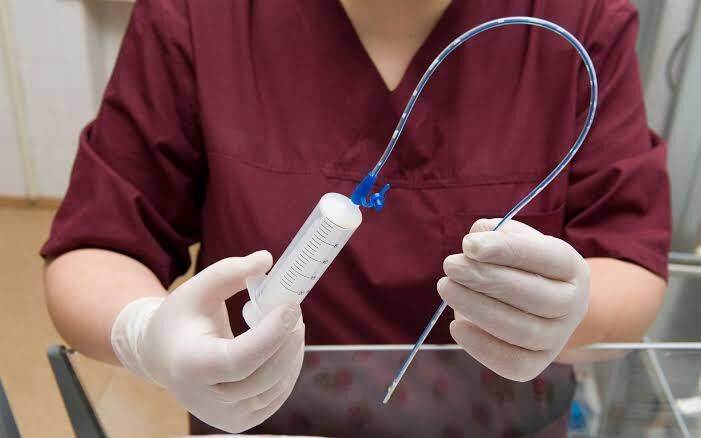
Tube feeding can provide essential nutrition and hydration for elderly patients who cannot eat safely or consume enough food by mouth. Tube feeding at home in Dubai can allow eligible patients to receive their prescribed nutritional support in a familiar and comfortable environment. A Doctor at Home service may also help families understand feeding routines, tube care, and patient monitoring when professional support is required. With proper training, hygiene, and a consistent routine, caregivers can make daily tube feeding more organized while supporting the patient’s comfort and well-being.
Why Elderly Patients May Need Tube Feeding:
Older adults may need tube feeding for various medical reasons, including swallowing difficulties, neurological conditions, recovery after serious illness, reduced consciousness, or conditions that interfere with normal eating. Some elderly patients may have difficulty chewing or swallowing safely, increasing the risk of food or liquid entering the airway. A healthcare professional evaluates the patient before recommending tube feeding and determines the appropriate type of tube, formula, feeding schedule, and duration. Caregivers should understand that tube feeding plans are individualized and should not be changed without professional guidance.
Understanding Different Types of Feeding Tubes:
Several types of feeding tubes may be used depending on the patient’s condition and expected duration of nutritional support. A nasogastric tube passes through the nose into the stomach and may be used when feeding is expected for a shorter period. Gastrostomy and PEG tubes enter the stomach through the abdominal wall and may be appropriate for longer-term feeding. Jejunostomy tubes deliver nutrition into the small intestine, while gastrojejunostomy tubes can provide access to both the stomach and small intestine. Caregivers should know which type their family member has and understand the specific instructions provided by the healthcare team.
Establishing a Consistent Feeding Routine:
A predictable routine can make tube feeding easier for elderly patients and caregivers. Feedings should be provided according to the prescribed amount, timing, formula, and rate. Some patients receive several scheduled feedings throughout the day, while others may require continuous feeding through a pump. Caregivers should maintain a written record to help track daily care. Useful information to record includes:
- Feeding times and amounts
- Water flushes
- Medication administration
- Feeding tolerance
- Bowel movements
- Vomiting or unusual symptoms
- Tube-related concerns
Keeping an accurate record can also help healthcare professionals identify changes in the patient’s condition.
Maintaining Proper Hand Hygiene:
Good hygiene is essential when preparing formula or handling feeding equipment. Caregivers should wash their hands thoroughly with soap and water before touching the feeding tube, formula, syringe, feeding bag, or other supplies. The preparation area should be clean and away from household waste or other sources of contamination. Feeding equipment should be handled and cleaned according to the manufacturer’s and healthcare provider’s instructions. Formula should also be stored and prepared appropriately. These simple precautions can help reduce the risk of contamination and infection.
Positioning the Patient During Feeding:
Proper positioning is an important safety consideration during tube feeding. Unless the healthcare team has provided different instructions, an elderly patient is generally positioned upright or with the upper body appropriately elevated during feeding. The patient may also need to remain elevated for a period after feeding according to their individualized care plan. Caregivers should avoid feeding while the patient is lying completely flat. Coughing, choking, breathing changes, vomiting, or significant discomfort during feeding should be taken seriously and discussed with a healthcare professional.
Caring for the Tube and Insertion Site:
The type of tube determines the specific care required. For tubes entering through the abdominal wall, caregivers should regularly observe the skin around the insertion site for changes. Possible concerns include redness, swelling, bleeding, unusual discharge, leakage, skin irritation, or increasing tenderness. For nasal tubes, caregivers should monitor the nose and surrounding skin for irritation or pressure-related problems. Cleaning should be performed according to the instructions provided by the healthcare team. Caregivers should not apply creams, powders, or other products unless they have been specifically recommended.
Preventing Tube Blockages:
Tube blockage can interrupt nutrition, hydration, and medication delivery. Following the recommended flushing schedule is one of the most important ways to maintain tube function. The healthcare professional should specify the amount of water and the appropriate timing for flushing. Medications should not be mixed with formula unless specifically instructed. If resistance is felt while flushing, caregivers should never force water through the tube. Forcing a blocked tube may cause damage. Professional advice should be obtained if the tube cannot be flushed normally.
Managing Medications Through the Feeding Tube:
Many elderly patients take several medications, making medication management an important part of tube feeding care. Not every medication can be crushed or administered through a feeding tube. Caregivers should consult the prescribing doctor or pharmacist before changing the form of any medicine. Certain extended-release or specially formulated medicines may require alternative options. When medication is approved for tube administration, it should be given according to professional instructions, including any recommended flushing between medicines. Keeping an updated medication list can help caregivers avoid missed or duplicated doses.
Monitoring Nutrition and Hydration:
Tube feeding provides prescribed nutrition, but elderly patients still require regular monitoring. Depending on the care plan, caregivers may need to observe weight changes, hydration, bowel movements, urine patterns, and overall feeding tolerance. Persistent diarrhea, constipation, vomiting, abdominal discomfort, or unexpected weight changes should be reported to the healthcare team. The amount of formula or water should not be increased or decreased independently. Nutritional requirements can change as an elderly patient’s medical condition changes, so regular professional review may be necessary.
Recognizing Common Warning Signs:
Caregivers should know the symptoms that may indicate a feeding-related problem or another medical concern. Early recognition allows the healthcare team to assess the situation and provide appropriate guidance. Important warning signs include:
- Repeated vomiting
- Persistent coughing during feeding
- Difficulty breathing
- Severe abdominal swelling or pain
- Fever or unusual weakness
- Increasing redness around the tube site
- Unusual discharge or bleeding
- Tube displacement
- Persistent leakage
- Inability to flush the tube
Severe breathing difficulty, significant bleeding, loss of consciousness, or another medical emergency requires immediate emergency medical attention.
Supporting Comfort and Emotional Well-Being:
Tube feeding can change an elderly person’s daily routine and may affect their emotional well-being. Some patients may feel frustrated about their dependence on caregivers or miss the social experience of eating meals. Families can provide support by communicating respectfully, maintaining social interaction, and involving the patient in appropriate daily decisions. When oral food or fluids are medically permitted, caregivers should follow the healthcare team’s instructions rather than making independent decisions. Maintaining familiar routines and meaningful activities can also help preserve a sense of independence.
When Professional Home Care May Help:
Family caregivers may sometimes need additional assistance with tube feeding, especially when an elderly patient has complex medical needs, limited mobility, cognitive difficulties, or multiple medications. Professional home healthcare can provide practical support with feeding procedures, tube-site care, monitoring, and caregiver education. Professional assistance may also be useful after hospital discharge when families are learning a new feeding routine. Any changes to the feeding plan should remain under the direction of qualified healthcare professionals.
Preparing for Tube Feeding Emergencies:
Families should have a simple plan for unexpected tube-related problems. Important medical contact information and the patient’s feeding instructions should be kept somewhere easily accessible. Caregivers should know whom to contact if the tube becomes blocked, displaced, damaged, or accidentally removed. They should also understand which symptoms require urgent or emergency medical attention. Keeping essential feeding supplies organized can make it easier to respond calmly to routine problems while waiting for professional guidance.
Final Thoughts:
Tube feeding for elderly patients requires careful preparation, consistent hygiene, proper positioning, and regular monitoring. Caregivers should understand the type of feeding tube being used, follow the prescribed feeding schedule, maintain appropriate flushing practices, and watch for changes in the patient’s condition. They should avoid changing formulas, feeding rates, medication methods, or water requirements without professional guidance. With appropriate education and reliable healthcare support, tube feeding can become a structured part of elderly home care while helping patients receive the nutrition and hydration prescribed for their individual needs.

 English
 Arabic
 French
 Spanish
 Deutsch
 Turkish
 Dutch
Dutch
 Italiano
 Russian
 Romaian
 Portuguese (Brazil)
 Greek
Greek
 Hrvatski
 Cehoslowakia