


Laser Rust Removal Machine for Sale: A Practical Guide to Modern Metal Cleaning
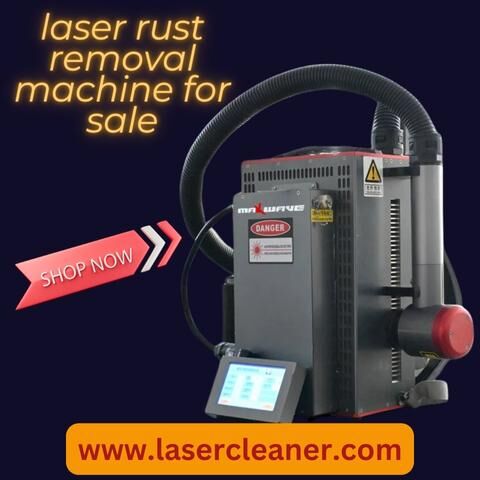
Rust is one of the most common problems affecting metal surfaces in workshops, factories, construction environments, automotive facilities, and manufacturing plants. Traditional cleaning methods can require abrasive materials, chemicals, extensive manual labor, and considerable preparation. Laser cleaning technology offers a more controlled approach by using concentrated laser energy to remove rust and other unwanted surface contaminants.
For businesses searching for a laser rust removal machine for sale, understanding how this technology works, where it can be used, and what to consider before purchasing can make the selection process much easier. Modern laser rust removal equipment is designed for different working environments, material types, and cleaning requirements.
What Is a Laser Rust Removal Machine?
A laser rust removal machine is industrial equipment designed to remove rust, oxidation, paint, oil, dirt, and other contaminants from metal surfaces using laser energy. Instead of relying on abrasive media or chemical solutions, the machine directs a controlled laser beam toward the contaminated area.
When the laser interacts with the rust layer, the unwanted material absorbs the energy and is rapidly removed from the surface. The process can be adjusted according to the material, contamination level, and desired cleaning result.
Laser rust removal is commonly used on steel, stainless steel, aluminum, copper, iron, and other compatible materials. Different laser power levels are available for applications ranging from light surface oxidation to heavier industrial rust.
How Does Laser Rust Removal Work?
The cleaning process begins when the operator positions the laser cleaning head over the contaminated surface. The machine generates a laser beam that is directed toward the rust or other unwanted layer.
The energy is absorbed differently by the contaminant and the underlying material. With suitable settings, the rust absorbs sufficient energy to separate from the surface while the base material remains largely unaffected.
The laser scanning system moves the beam across the selected area, allowing the operator to clean a specific section or larger surface. Parameters such as laser power, scanning speed, frequency, and focus can be adjusted according to the application.
This controlled process makes laser cleaning suitable for precision work as well as larger industrial operations.
Choosing the Right Laser Power
One of the most important considerations when looking for a laser rust removal machine for sale is laser power. Machines are available in several power ranges, and the appropriate choice depends on the type and thickness of contamination.
Lower-power systems can be suitable for light rust, surface oxidation, maintenance work, and precision cleaning. Medium-power machines can handle more demanding workshop and manufacturing applications. Higher-power systems are generally considered for heavy rust, larger surfaces, and industrial cleaning operations where productivity is a major consideration.
Selecting power based on the actual application is more practical than simply choosing the highest available specification. The material, rust thickness, cleaning speed, and working area should all be considered before purchasing.
Handheld Laser Rust Removal Machines
Handheld laser cleaning machines are widely used when operators need flexibility during cleaning. The operator can move the laser cleaning head across irregular surfaces, machinery components, frames, tools, pipes, and other metal parts.
This type of equipment can be useful for workshops where different components need to be cleaned regularly. A handheld configuration also allows operators to access areas that may be difficult to reach with larger fixed systems.
For businesses handling different types of restoration and maintenance jobs, a handheld laser rust removal machine can provide a practical solution for changing workloads.
Applications in Automotive Workshops
Rust removal is an important part of vehicle restoration and maintenance. Automotive components such as chassis sections, brackets, engine components, suspension parts, molds, and other metal surfaces can accumulate oxidation over time.
Laser cleaning can be used to remove rust and contamination before repair, welding, coating, or restoration work. Because the cleaning process can be precisely controlled, operators can work on selected areas without treating the entire component unnecessarily.
Automotive restoration businesses looking for a laser rust removal machine for sale can therefore consider equipment according to the size and type of components they commonly handle.
Industrial Maintenance and Manufacturing
Factories and industrial facilities frequently need to clean machinery, tools, production components, molds, and metal structures. Rust and contamination can develop when equipment is exposed to moisture, chemicals, outdoor conditions, or long periods of storage.
Laser cleaning can become part of a regular maintenance process. Operators can clean selected surfaces before inspection, repair, repainting, welding, or other production activities.
For manufacturing environments, machine selection should take into account daily operating hours, cleaning area, material types, required production speed, and available workspace.
Rust Removal Before Welding and Coating
Surface preparation is an important step before welding, painting, coating, or other fabrication processes. Rust, oil, oxidation, and dirt can interfere with surface preparation and affect the quality of subsequent work.
Laser cleaning can help prepare metal surfaces by removing unwanted contamination before these operations. A properly prepared surface can make later processes more consistent and easier to manage.
For welding workshops, fabricators, and metal-processing companies, choosing a suitable laser cleaning system can make surface preparation part of a more organized workflow.
Cleaning Different Metal Surfaces
Laser rust removal equipment can be used on many types of metal, but settings must be selected according to the specific material. Steel, stainless steel, aluminum, copper, and other metals react differently to laser energy.
Operators should test the selected parameters on a suitable sample or less visible section before beginning extensive cleaning. This helps determine the appropriate power, scanning speed, frequency, and focus for the particular application.
Manufacturers and suppliers can also provide guidance about machine configurations for specific materials and cleaning requirements.
What to Consider Before Buying
When searching for a laser rust removal machine for sale, buyers should look beyond the advertised laser power. The intended application should guide the purchasing decision.
Consider the type of rust being removed, the materials being cleaned, the size of the working area, expected daily workload, required cleaning speed, machine configuration, operating environment, and available technical support.
The laser source, control system, scanning mechanism, cooling method, cleaning head, and overall machine construction can also influence long-term operation.
It is useful to request application testing when possible. A demonstration using your actual material and contamination type can provide a clearer understanding of how the equipment will perform in practical conditions.
Maintenance and Operator Training
Although laser cleaning is a modern cleaning method, proper operation and maintenance remain important. Operators should understand the machine controls, cleaning parameters, safety procedures, and recommended working practices before using the equipment.
Routine maintenance should follow the manufacturer's instructions. The laser source, optical components, cooling system, electrical connections, and other relevant parts should be inspected according to the equipment's maintenance schedule.
Proper training can help operators use the machine consistently and reduce the possibility of incorrect settings or unnecessary equipment wear.
Laser Safety During Rust Removal
Laser cleaning equipment should always be operated according to applicable laser safety requirements. High-power laser systems can present serious hazards to eyes and skin, and reflected laser energy can be dangerous.
The working area should be appropriately controlled, and operators should use the safety equipment and protective measures specified for the machine. Depending on the application, additional measures such as protective barriers, warning signs, extraction systems, and suitable laser safety eyewear may be required.
Safety should be treated as an essential part of purchasing and operating a laser cleaning system rather than an optional consideration.
Finding a Suitable Machine for Your Business
The market for laser cleaning equipment includes compact systems, handheld machines, industrial configurations, and higher-power solutions. A business should select equipment according to its actual cleaning requirements rather than choosing a machine based only on specifications.
A supplier with experience in laser cleaning applications can help identify an appropriate configuration based on material, contamination, production volume, and workspace.
When reviewing a laser rust removal machine for sale, buyers should also ask about warranty coverage, spare parts, technical assistance, installation, training, and after-sales service. These factors can be important for maintaining reliable operation over the long term.
Final Thoughts
Laser rust removal has become an increasingly practical method for businesses that need controlled and efficient metal surface cleaning. By using focused laser energy, operators can target rust and other contaminants while working with a wide range of metal components.
For anyone considering a laser rust removal machine for sale, the most important step is to match the machine configuration with the actual application. Laser power, material type, contamination thickness, cleaning area, operating frequency, safety requirements, and supplier support should all be considered before making a purchase.

 English
 Arabic
 French
 Spanish
 Portuguese
 Deutsch
 Turkish
 Dutch
Dutch
 Italiano
 Romaian
 Portuguese (Brazil)
 Greek
Greek
 Hrvatski
 Cehoslowakia