


What Role Can Vibration Play in Maintaining Physical Strength?
Physical strength is foundational to independence, health, and quality of life as people age. Many adults experience gradual strength decline that affects their daily activities noticeably. This decline is driven by aging, reduced activity, and hormonal changes occurring simultaneously. Traditional approaches to maintaining strength focus primarily on exercise and nutrition. These remain essential but are not accessible to everyone in equal measure. Vibration-based technology is emerging as a meaningful complement to conventional strategies. This article examines the role vibration can play in supporting physical strength across the lifespan.
The Science Behind Muscle and Strength Decline
Skeletal muscle mass begins declining gradually after early adulthood for most people. This process, called sarcopenia, accelerates significantly after the age of sixty. Multiple biological mechanisms contribute to this progressive and cumulative decline. Muscle protein synthesis rates decrease with advancing age even when protein intake is adequate. The anabolic response to exercise and dietary protein becomes progressively less efficient over time. Hormonal shifts including reduced testosterone, growth hormone, and IGF-1 all play contributing roles. Motor neuron loss reduces the pool of functional muscle-activating units available to the body. Chronic low-grade systemic inflammation directly inhibits the muscle repair and growth pathways. Physical inactivity removes the mechanical stimulus that muscle fibers need to remain active. Understanding these mechanisms provides the biological context for evaluating vibration's potential role.
The Connection Between Muscle and Bone Strength
Muscle and bone are intimately interconnected within the musculoskeletal system. Muscles attach to bones via tendons and generate forces during movement and contraction. These contractile forces create mechanical loading that stimulates bone density maintenance. Stronger muscles therefore contribute directly to stronger bones over time. As muscle mass declines, bones lose some of the loading stimulus they depend on. This interconnection means that interventions targeting muscle also benefit bone density. Vibration technology addresses both tissues through the same mechanical signaling pathways. This dual benefit makes it particularly valuable within aging health management programs. Understanding this relationship highlights why maintaining muscle strength is also a bone health strategy.
How Vibration Produces Its Effects on the Musculoskeletal System
Vibration technology produces physical effects through several well-documented biological mechanisms. The tonic vibration reflex is the primary driver of muscular effects during sessions. This reflex is triggered when vibration is applied to a muscle tendon or belly. It causes rapid, sustained, involuntary contractions throughout the stimulated muscle group. These contractions are distinct in character from typical voluntary exercise contractions. They engage motor units that might otherwise remain inactive during ordinary daily activities. Regular activation of these dormant motor units prevents their progressive disuse atrophy. Increased blood flow to stimulated tissues accompanies each vibration session reliably. This enhanced circulation delivers oxygen, nutrients, and growth factors more efficiently. Metabolic waste products that contribute to muscle fatigue are cleared more rapidly as well.
Mechanotransduction and Bone-Level Effects
Beyond muscles, vibration also affects bone tissue through mechanotransduction pathways. Osteocytes are the primary mechanosensory cells embedded throughout the bone matrix. They detect changes in fluid flow within the bone caused by mechanical loading. Vibration creates exactly the kind of mechanical stimulus that osteocytes respond to. Their activation triggers signaling cascades that favor osteoblast activity over osteoclast dominance. This shift supports a more favorable bone remodeling balance over time with consistent use. Low-magnitude high-frequency vibration is the specific combination best studied for bone effects. Research has confirmed improvements in spine and hip bone mineral density with regular use. These two regions are the most clinically significant fracture sites in aging populations. The cellular response is genuine and measurable, not merely theoretical or speculative.
What Clinical Research Reveals About Vibration and Physical Strength
Multiple randomized controlled trials have examined vibration technology's effect on muscle strength. Results across studies consistently show improvements in lower limb strength measures. Leg press performance, chair-stand speed, and gait velocity all improve in research populations. Older adults with sarcopenia show some of the most significant and consistent improvements. Balance measures also improve reliably, reflecting neuromuscular coordination gains alongside pure strength. Some studies report reductions in intramuscular fat following sustained vibration therapy protocols. This structural finding reflects genuine improvement in muscle tissue quality over time. Functional performance measures including stair-climbing ability and walking endurance also show positive trends. Meta-analyses pooling data from multiple trials confirm the overall positive direction of evidence. Long-term study participants who maintain daily use consistently show the best outcomes.
Vibration Technology and Its Practical Accessibility
One of vibration technology's greatest strengths is its practical accessibility for diverse populations. Traditional resistance exercise requires equipment, physical capacity, and sufficient joint tolerance. Many older adults are limited by arthritis, post-surgical restrictions, or chronic fatigue. Vibration platforms deliver meaningful muscle stimulation without demanding voluntary physical effort. Sessions are brief, often lasting only ten to fifteen minutes per day. The passive nature of the experience reduces the motivational barrier to consistent engagement. Users can stand, sit, or perform light exercises on the platform during sessions. This flexibility accommodates a wide range of physical capability levels. Home-based devices eliminate the need for clinic visits or gym memberships. This home accessibility extends daily therapeutic muscle stimulation into ordinary life routines.
The osteoboost device demonstrates how vibration technology can be applied within a home-based format. It delivers calibrated mechanical stimulation aligned with peer-reviewed research parameters. Its design emphasizes ease of use, safety, and consistent daily therapeutic delivery. Many healthcare providers now mention it within broader physical strength maintenance discussions. It is most effective when integrated with active exercise and nutritional optimization.
Who Benefits Most From Vibration-Based Strength Support
Vibration technology offers meaningful benefit across a broad range of individuals and circumstances. Frail older adults who cannot perform conventional resistance training gain the most directly. They receive therapeutic muscle stimulation that would otherwise be inaccessible to them. Post-surgical patients recovering from orthopedic procedures benefit during enforced rest periods. Vibration maintains some muscle activity even when weight-bearing is temporarily restricted. Individuals managing chronic conditions that limit exercise tolerance benefit similarly. Patients with multiple sclerosis, heart failure, or COPD often cannot sustain conventional training. Athletes use vibration during warm-up to prime the neuromuscular system before intense training. They also use it after training to accelerate recovery and reduce soreness. Rehabilitation patients use it to reactivate neuromuscular pathways following neurological events. This versatility across populations reflects the fundamental adaptability of vibration as a therapeutic tool.
Integrating Vibration With Exercise for Optimal Strength Outcomes
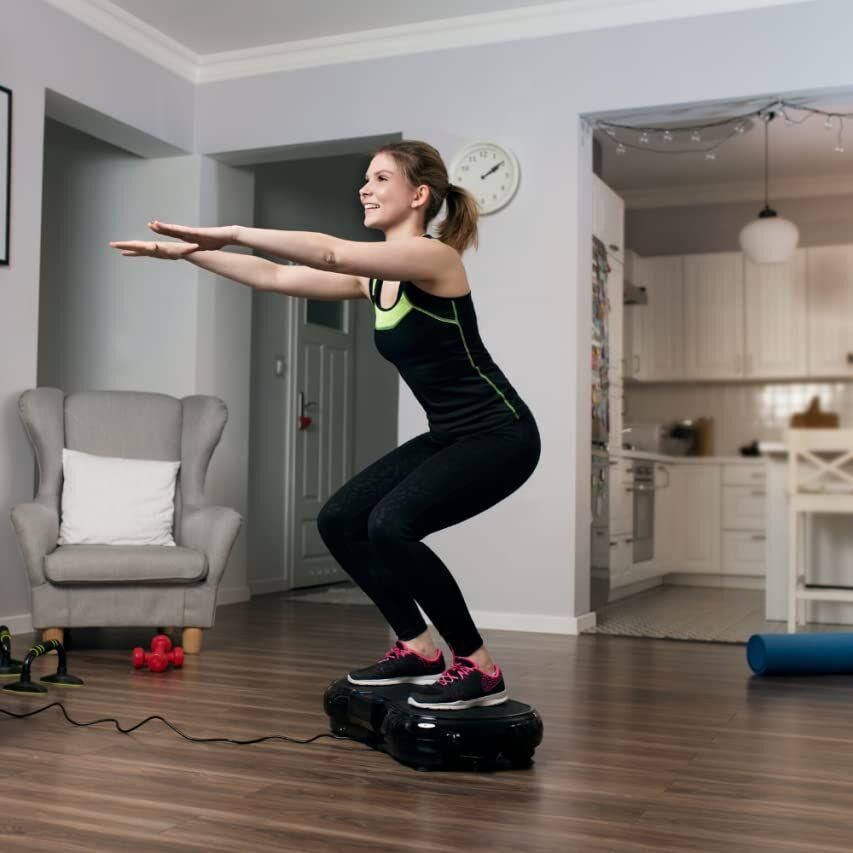
Vibration technology is most effective when used alongside active physical training. It is a powerful complement to conventional exercise, not a substitute for it. Performing resistance exercises on a vibration platform amplifies the training stimulus meaningfully. Squats, lunges, and calf raises on a vibrating surface recruit more motor units. This enhanced recruitment allows greater muscle activation at lower absolute exercise loads. For individuals with joint limitations, this is particularly important and clinically valuable. Core stability exercises performed on vibrating platforms show especially enhanced training results. The unstable vibrating surface challenges postural muscles more intensely than stable surfaces. Balance-specific exercises combined with vibration produce superior outcomes to either approach alone. Physical therapists increasingly incorporate vibration platforms within comprehensive rehabilitation programs.
Nutrition as an Essential Partner to Vibration Therapy
Physical strength cannot be maintained through technology and exercise alone. Nutritional adequacy is the biological foundation that all other strategies depend upon. Protein is the most critical macronutrient for muscle maintenance and repair. Older adults typically need 1.2 to 1.6 grams of protein per kilogram of body weight daily. Leucine-rich protein sources are particularly effective at stimulating muscle protein synthesis. Whey protein, eggs, lean meat, fish, and dairy all provide high-quality complete protein. Timing protein consumption around device sessions or exercise maximizes anabolic benefit. Vitamin D deficiency, common in older adults, significantly impairs muscle fiber function. Supplementing vitamin D to adequate levels is widely recommended for aging populations. Creatine monohydrate is one of the most thoroughly researched muscle-support supplements for older adults.
Monitoring Physical Strength Progress During Vibration Therapy
Tracking functional strength progress helps evaluate whether vibration therapy is producing results. Grip strength measurement is a simple and validated indicator of overall body strength. Timed chair-stand tests assess lower limb power and functional capacity directly. Gait speed over a measured distance reflects broader musculoskeletal health status. These simple tests can be performed at home and tracked over weeks and months. More comprehensive assessment by a physiotherapist provides deeper clinical insight. DEXA scanning can measure both lean muscle mass and bone density changes simultaneously. Bioelectrical impedance analysis offers a more accessible estimate of muscle mass changes. Baseline measurements establish the reference point needed for evaluating intervention effectiveness. Follow-up assessments every three to six months reveal progress trends clearly.
Adjusting Protocols Based on Progress Data
Progress monitoring allows for meaningful strategy adjustments over time. Users showing rapid improvement may benefit from increased session frequency or duration. Those showing slower progress may need additional exercise or nutritional support. Healthcare providers use functional assessment data to guide protocol modifications. Combining subjective feedback with objective measurements produces the most complete picture. Patients who report improved ease with daily tasks are experiencing real functional gains. These practical improvements often appear before formal strength tests show measurable changes. Documenting them reinforces motivation and confidence in the overall strategy. A responsive, adaptive approach to protocol management consistently produces better long-term outcomes. Inflexible adherence to a single protocol regardless of response is rarely optimal.
The Broader Benefits of Maintaining Physical Strength
Physical strength maintenance through vibration and complementary strategies offers benefits beyond the purely physical. Stronger individuals typically have greater psychological confidence in their physical capabilities. This confidence supports higher daily activity levels and broader social participation. Active social engagement is consistently associated with better cognitive and emotional health. Falls and fractures become less likely, reducing anxiety around movement and independence. Healthcare utilization decreases as fewer hospitalizations and rehabilitative interventions become necessary. Family members experience reduced caregiving burden when older relatives remain independently strong. Communities benefit from the continued participation and contribution of capable older adults. The ripple effects of maintaining physical strength extend throughout every domain of life. Investing in strength preservation today is an investment in a richer and more connected future.
Conclusion
Vibration technology offers a scientifically grounded and practically accessible role in maintaining physical strength. Its mechanisms engage the tonic vibration reflex, improve circulation, and stimulate bone remodeling simultaneously. Clinical research consistently confirms positive outcomes for muscle strength and functional performance. Its accessibility for those with limited exercise capacity is one of its most important clinical strengths. Integration with resistance exercise and nutritional optimization produces the most comprehensive results. Home-based devices make daily consistent use realistic for most adults regardless of location. Regular monitoring of strength outcomes ensures strategies remain appropriately tailored and effective. Healthcare provider guidance transforms individual effort into a personalized and optimized health plan. Physical strength is not merely a physical asset but a gateway to independence, engagement, and life satisfaction. Maintaining it through every available evidence-based strategy is among the wisest investments in healthy aging

 English
 Arabic
 French
 Spanish
 Portuguese
 Deutsch
 Turkish
 Dutch
Dutch
 Italiano
 Russian
 Portuguese (Brazil)
 Greek
Greek
 Hrvatski
 Cehoslowakia