


What Factors Can Affect Recovery After a Bone Injury?
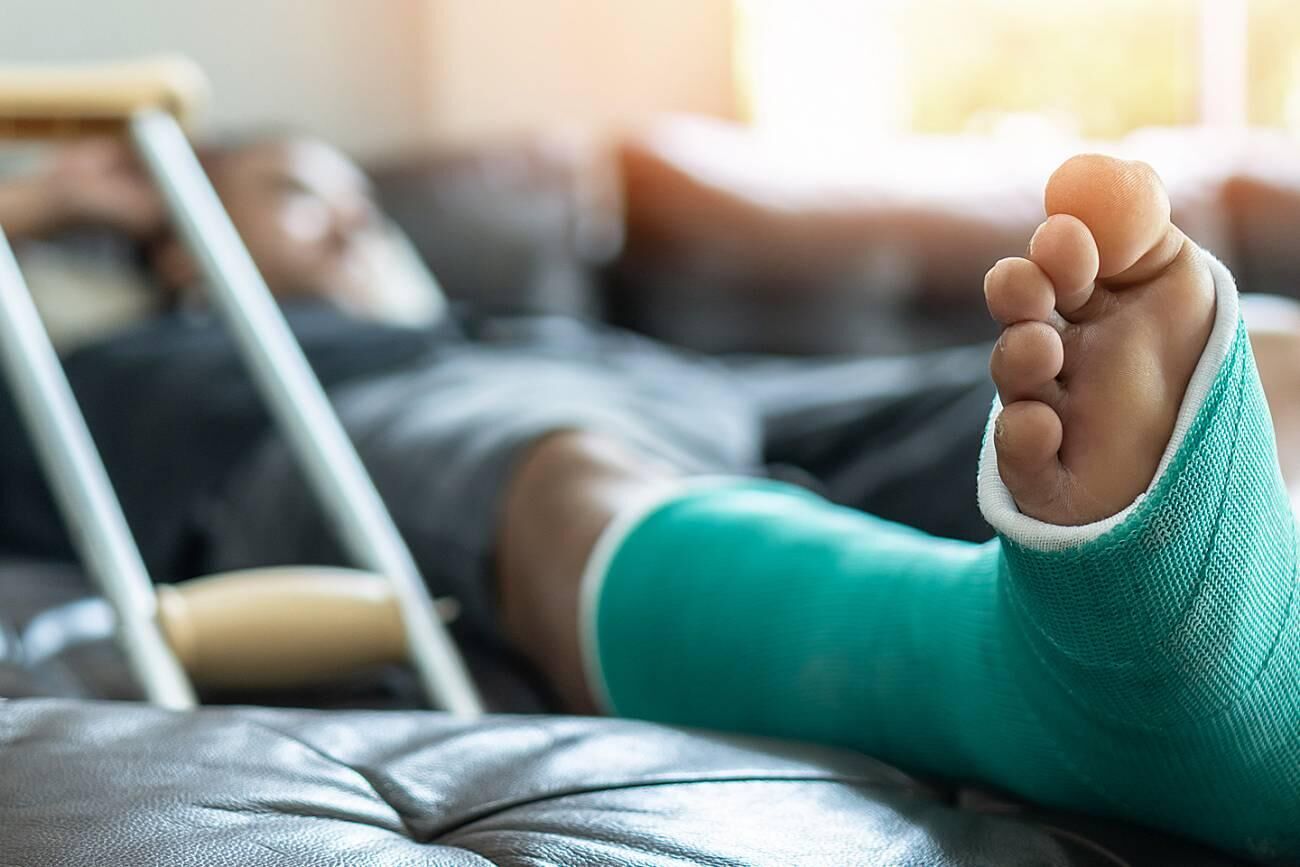
Recovery from a bone injury is rarely a simple or uniform process. Many patients are surprised by how much individual variation exists between recoveries. Some fractures heal within weeks while others take many months. Several biological, lifestyle, and environmental factors influence how quickly healing proceeds. Understanding what affects your recovery helps you take meaningful action. It also sets realistic expectations for the overall timeline. This article explores the key factors that can positively or negatively affect bone injury recovery.
Biological Factors That Influence Bone Repair Speed
Age is one of the most consistently documented factors affecting healing speed. Younger patients typically heal significantly faster than older adults. This is because younger bone tissue contains more active stem cells. Growth factors are also more abundant in younger biological systems. Children's periosteal cells are highly active and respond quickly to injury. As people age, osteoblast reserves decline and cellular responsiveness diminishes. The result is a longer healing process in older patients overall.
Hormonal status also plays a significant role in bone healing biology. Estrogen and testosterone both support bone density and repair capacity. Postmenopausal women who have lower estrogen levels often face healing challenges. Low testosterone in men can similarly affect bone repair efficiency. Thyroid hormone levels and parathyroid function influence calcium metabolism throughout healing. Physicians assessing fracture patients should evaluate hormonal status when relevant. Hormonal optimization may be an important component of the recovery support plan.
Genetic Factors and Individual Variation
Genetic factors contribute significantly to individual variation in healing speed. Some patients appear to heal remarkably quickly regardless of circumstances. Others heal slowly even when all environmental conditions are favorable. This variation reflects differences in genetic regulation of bone biology. Growth factor production rates, osteoblast responsiveness, and stem cell reserves all vary genetically. Future genomic research will clarify much of this currently unexplained variation. For now, physicians must respond clinically to each patient's individual biological response.
How Nutrition Shapes the Recovery Outcome
Nutrition is a powerful and frequently underappreciated factor in fracture recovery. Bone repair demands a rich supply of specific nutrients continuously throughout healing. Calcium provides the primary structural mineral for new bone matrix formation. Vitamin D enables efficient absorption of calcium from dietary sources. Together, these two nutrients form the foundational pair for bone mineralization. Deficiency in either significantly prolongs the fracture healing timeline for patients.
Protein provides essential amino acids needed for collagen matrix production. Without adequate collagen, the organic scaffold of healing bone is structurally weak. Vitamin C enables proper hydroxylation of proline during collagen synthesis. Zinc activates multiple enzymatic reactions involved in bone matrix mineralization. Magnesium plays a role in more than three hundred cellular processes related to healing. Patients who eat well-balanced, nutrient-dense diets consistently show better radiographic healing progress. Those with identified deficiencies benefit significantly from targeted supplementation during recovery.
The Impact of Alcohol and Processed Foods
Alcohol consumption during recovery impairs calcium absorption significantly. It also directly inhibits osteoblast function and collagen synthesis. Heavy drinking is associated with lower bone density and higher fracture risk. Even moderate consumption can slow the healing process measurably during recovery. Ultra-processed foods high in sodium and sugar displace nutrient-dense foods in the diet. This displacement creates nutritional gaps that impair the biological healing environment. Focusing on whole foods during recovery provides optimal nutritional support for bone cells.
Lifestyle Behaviors That Either Support or Slow Healing
Smoking is one of the most damaging modifiable behaviors during fracture recovery. Nicotine causes significant vasoconstriction throughout the peripheral vasculature. This constriction reduces blood flow to the healing fracture zone substantially. Fewer healing cells, growth factors, and oxygen reach the repair site. Carbon monoxide from smoke further impairs oxygen delivery to repair cells. Research consistently demonstrates elevated nonunion rates among smokers. Quitting smoking, even temporarily during recovery, provides measurable healing benefit.
Physical activity level during recovery also significantly influences outcomes. Prescribed movement and early rehabilitation maintain circulation around the fracture site. Improved circulation enhances nutrient delivery to healing cells. Excessive rest and sedentary behavior lead to muscle atrophy and bone density loss. Excessive activity beyond prescribed limits risks fracture displacement and complications. Following physician-directed activity guidelines precisely is critical throughout recovery. The correct balance of movement and rest is uniquely determined for each patient.
How Medical Conditions Complicate Bone Healing
Diabetes mellitus impairs bone healing through several interconnected pathways. Microvascular disease reduces blood supply to fracture healing zones. Advanced glycation end products accumulate in diabetic tissue and impair collagen quality. High blood glucose directly inhibits osteoblast function at the cellular level. Immune impairment in diabetes increases infection risk at fracture sites. Studies consistently show higher complication rates in diabetic fracture patients. Optimizing glucose control during recovery is among the most important interventions available.
Osteoporosis significantly complicates fracture healing by reducing available bone density. Osteoblast activity is insufficient relative to osteoclast resorption in this condition. Callus formation in osteoporotic bone is typically less dense and robust. Mineralization proceeds more slowly when mineral reserves are already reduced. The risk of nonunion is substantially elevated in osteoporotic fracture patients. Concurrent treatment of osteoporosis alongside fracture management improves overall outcomes significantly.
Medications That May Affect the Healing Process
Certain medications interfere with normal bone healing biology in measurable ways. Corticosteroids reduce osteoblast activity and impair calcium absorption significantly. Patients on chronic corticosteroid therapy face elevated fracture healing complications. Non-steroidal anti-inflammatory drugs may affect inflammatory phase timing at fractures. Physicians carefully weigh continuing necessary medications against their healing implications. Anticoagulants require careful management around the time of fracture stabilization. Patients should discuss all medications, including supplements, with their treating physician. This discussion ensures medication management supports rather than impairs the healing process.
The Role of Technology in Supporting Bone Injury Recovery
Advanced medical devices now actively support the biological bone healing process. Non-invasive stimulation technologies are increasingly prescribed alongside conventional care. They deliver targeted energy that enhances cellular activity at the fracture site. These devices are safe, evidence-based, and suitable for home use daily.
Among the most validated options available, the ultrasound bone healing device delivers low-intensity pulsed acoustic energy that stimulates osteoblasts and promotes growth factor expression at the fracture site. Sound waves activate mechanoreceptors on bone cell surfaces specifically. These activated receptors trigger intracellular repair pathways that accelerate healing. Blood vessel formation at the fracture zone also improves with consistent use. Multiple clinical trials confirm significantly faster union with this technology. Physicians prescribe it for patients at elevated risk of delayed healing.
Electrical Stimulation and Pulsed Electromagnetic Field Therapy
Electrical bone stimulators restore bioelectric signals lost during immobilization. These signals normally arise from mechanical loading during weight-bearing activity. When immobilized, bone loses this natural cellular signaling temporarily. Electrical devices compensate for this loss by delivering artificial currents. Osteoblasts respond with increased bone matrix production in response. Pulsed electromagnetic field devices generate magnetic fields externally around the fracture. These fields induce small electrical currents within bone without skin contact. Both technologies have regulatory clearance and strong clinical evidence supporting their use.
Psychological Factors and Recovery Outcome
Mental health significantly influences physical recovery trajectories in fracture patients. Anxiety and depression reduce compliance with prescribed rehabilitation programs. Fear of movement causes patients to avoid exercises essential for full recovery. Poor psychological well-being elevates cortisol, which suppresses bone-forming activity. Mindfulness meditation has shown measurable benefits for pain and recovery engagement. Cognitive behavioral therapy builds effective coping strategies for prolonged recovery periods. Patients who receive psychological support alongside physical care recover more completely. Healthcare teams should screen for mental health concerns at every recovery appointment.
Quality of Initial Medical Care and Its Long-Term Impact
The quality of initial fracture care significantly affects the entire recovery trajectory. Accurate diagnosis ensures appropriate treatment is selected without unnecessary delay. Correct fracture reduction restores alignment essential for proper healing to occur. Well-fitted immobilization prevents disruptive movement during the critical early healing phase. Timely surgical fixation, when indicated, addresses instability that casting cannot manage. Each initial decision cascades through all subsequent stages of recovery. Investing in excellent initial care produces lasting dividends throughout the healing period.
Recovery from a bone injury is shaped by a complex interaction of factors. Age, nutrition, lifestyle, medical conditions, technology, and psychological health all matter. Some factors are fixed, but many are actively modifiable with proper guidance. Patients who address modifiable factors systematically achieve meaningfully better outcomes. Physicians who comprehensively assess all influencing factors provide more effective and personalized care. Understanding these factors transforms passive waiting into active, informed recovery participation. The combination of knowledge and action is the most powerful recovery support strategy available.
 Arabic
 English
 French
 Spanish
 Portuguese
 Deutsch
 Turkish
 Dutch
Dutch
 Italiano
 Russian
 Romaian
 Portuguese (Brazil)
 Greek
Greek
 Hrvatski
 Cehoslowakia