


What Are the Common Causes of Back and Neck Discomfort?
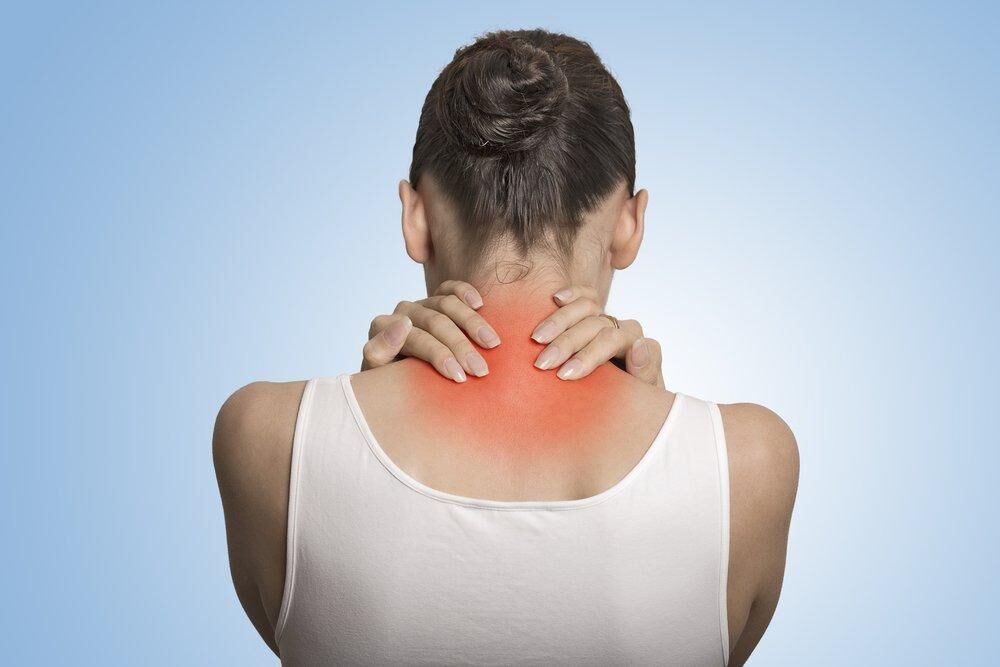
Back and neck discomfort affect a large portion of the population. Many people experience these symptoms at some point in their lives. For some, the pain is occasional and mild. For others, it becomes a chronic and debilitating condition. Understanding what causes these symptoms is the first step toward effective resolution.
Modern lifestyles have created new patterns of spinal stress. Technology use, sedentary work, and limited physical activity all contribute. At the same time, physically demanding occupations create their own risks. Both extremes of activity level create vulnerability to back and neck problems. This broad range of causes explains why these conditions affect so many people.
Posture and Its Role in Spinal Discomfort
Posture is among the most significant drivers of back and neck discomfort. The human body is designed for upright, balanced positioning. When sustained deviations from this position occur, stress accumulates. Muscles must work harder to support a misaligned frame. Joints bear uneven loading that accelerates wear and degeneration.
Forward head posture is a pervasive modern postural problem. For every inch the head moves forward of the shoulders, spinal loading increases significantly. A head that typically weighs 10 to 12 pounds can feel like 60 pounds to the cervical spine when positioned far forward. This extraordinary mechanical stress creates chronic muscle tension and joint compression. Headaches, neck stiffness, and upper back pain commonly result.
Lumbar postural problems are equally common and damaging. Excessive anterior pelvic tilt creates lumbar hyperlordosis. This exaggerated curve compresses the facet joints of the lower back. Prolonged sitting often creates the opposite problem, a flattening of the lumbar curve. This flat-back posture increases disc pressure and strains the posterior muscles.
Occupational Postures and Their Effects
Many people spend their working hours in sustained awkward positions. Office workers sit with their heads forward and shoulders rounded for hours. Trades workers bend, twist, and lift repetitively throughout their shifts. Healthcare workers sustain bent-forward postures while caring for patients. Each occupation creates characteristic patterns of spinal stress and vulnerability.
Prolonged sitting is particularly damaging to the lumbar spine. Intradiscal pressure in the lumbar region is highest during sitting. This pressure increases further when sitting with poor posture. Sitting for extended periods without movement prevents disc hydration. Over time, this contributes to disc degeneration and chronic lower back pain.
Sedentary Lifestyle and Muscular Deconditioning
Physical inactivity is a major contributor to back and neck discomfort. The muscles supporting the spine require regular exercise to maintain adequate function. When these muscles weaken through disuse, the spine loses important dynamic support. Passive structures like ligaments and discs must bear loads they were not designed to manage.
Core muscle weakness is particularly significant for lower back health. The deep stabilizing muscles of the lumbar spine support it during every activity. When these muscles are underdeveloped, the lower back is vulnerable to strain and injury. Even low-demand activities can produce pain when the supporting musculature is insufficient.
Hip flexor shortening is a common consequence of excessive sitting. Tight hip flexors pull the pelvis into anterior tilt, increasing lumbar lordosis. This postural change stresses the lower back joints and muscles. Stretching the hip flexors and strengthening the opposing gluteal muscles helps correct this pattern.
Acute Injuries and Their Lasting Effects
Acute injuries are another major cause of back and neck discomfort. Muscle strains and ligament sprains are among the most common spinal injuries. These injuries occur when tissues are stretched or torn beyond their capacity. Sudden loading, awkward movements, or excessive force can all cause acute injury.
Whiplash is among the most well-known acute cervical injuries. It typically results from rapid acceleration-deceleration forces, as in motor vehicle accidents. Multiple cervical structures are damaged simultaneously in a whiplash event. Ligaments, muscles, discs, and joints can all be affected. Without appropriate treatment, whiplash often leads to chronic cervical pain and headaches.
Vertebral disc injuries are another significant source of spinal pain. Disc herniation occurs when the inner disc material bulges through the outer ring. This material can compress adjacent nerve roots, causing sharp, radiating pain. The lower back and neck are the most common sites for disc herniation. Appropriate conservative care resolves many disc herniations without surgical intervention.
The Contribution of Stress and Emotional Factors
The connection between psychological stress and physical pain is well-established. Chronic stress creates sustained elevation of cortisol and other stress hormones. These hormones increase baseline muscle tension throughout the body. The neck, upper back, and lower back are particularly prone to stress-related tension. Many patients notice a direct correlation between stressful periods and pain flares.
The nervous system's role in pain perception is increasingly understood. Chronic pain involves central sensitization, where the pain system becomes hyperactive. Psychological factors including anxiety and depression amplify pain signals. Addressing these psychological contributors alongside physical treatment improves outcomes. A comprehensive care approach recognizes the inseparable connection between mind and body.
Sleep disturbances and fatigue also influence pain experiences significantly. Poor sleep reduces pain tolerance and increases pain sensitivity. People with chronic back or neck pain often experience disrupted sleep. This creates a bidirectional cycle that compounds both problems. Addressing sleep quality is an important component of comprehensive spinal pain management.
Degenerative Changes and Age-Related Factors
Spinal degeneration is a natural process that occurs with aging. Disc height decreases as disc hydration reduces over time. The facet joints develop arthritic changes through accumulated wear. Bone spurs may develop around affected joints and discs. These degenerative changes can contribute to pain, stiffness, and mobility limitations.
However, degenerative changes do not inevitably cause pain. Many people with significant radiographic degeneration experience no symptoms. The degree of functional limitation depends on multiple factors. Joint alignment, surrounding muscle condition, and inflammatory status all influence whether degeneration causes pain. Addressing these modifiable factors can significantly reduce symptoms even with underlying degeneration.
Spinal stenosis, involving narrowing of the spinal canal, is a common age-related condition. This narrowing can compress the spinal cord or nerve roots. Symptoms include pain, numbness, and weakness in the affected regions. Conservative management including chiropractic care can provide meaningful symptom relief. This allows many patients to avoid or delay surgical intervention.
How Professional Care Addresses These Causes
The chiropractors victoria bc professionals at Equilibrium Therapeutics address these diverse causes systematically. Their assessment process identifies the specific contributors to each patient's discomfort. Treatment is then targeted to these specific causes rather than symptoms alone. This root-cause approach produces more durable results than symptomatic management.
Chiropractic adjustments restore normal joint mechanics affected by postural stress. Soft tissue therapy addresses the muscular and fascial contributors to pain. Therapeutic exercise builds the strength and flexibility that prevent recurrence. Patient education helps individuals understand and modify the habits that caused their problems. This comprehensive approach addresses the condition at every level simultaneously.
The multidisciplinary team at Equilibrium Therapeutics extends this care further. Massage therapy, physiotherapy, and other disciplines complement chiropractic care. Complex presentations benefit from multiple professional perspectives working together. Coordinated care planning ensures all treatments align toward shared patient goals. This team-based approach reflects the highest standard of spinal health care.
Prevention Through Understanding Causes
Understanding the causes of back and neck discomfort empowers meaningful prevention. Ergonomic improvements reduce daily postural stress at work and home. Regular movement breaks interrupt the prolonged static loading that harms discs. Consistent exercise maintains the muscular support that protects spinal structures. Stress management techniques reduce the physiological tension that amplifies pain.
For those with acute injuries, early professional care is most effective. The inflammatory phase of healing is most manageable when treatment begins promptly. Appropriate manual therapy accelerates tissue healing and prevents chronicity. Exercise rehabilitation restores strength and stability before compensatory patterns become established.
For those with chronic conditions, consistent management produces cumulative improvement. Regular chiropractic care maintains joint function and reduces inflammatory cycles. Home exercise programs extend clinical improvements into daily life. Lifestyle modification addresses the ongoing mechanical stressors that perpetuate chronic symptoms.
Conclusion
Back and neck discomfort arise from a complex interplay of mechanical, structural, and lifestyle factors. Posture, sedentary habits, acute injuries, stress, and degenerative changes all contribute in different ways. Understanding these causes transforms how we approach prevention and treatment. Professional chiropractic care, combined with lifestyle awareness and consistent self-care, addresses these causes comprehensively. If you are experiencing persistent back or neck discomfort, professional assessment provides the clarity needed to begin effective resolution. Relief is achievable when the right causes are identified and addressed properly.

 English
 Arabic
 French
 Spanish
 Portuguese
 Deutsch
 Turkish
 Dutch
Dutch
 Italiano
 Russian
 Romaian
 Portuguese (Brazil)
 Hrvatski
 Cehoslowakia