


How to Keep Fire Protection Equipment Ready for Emergencies
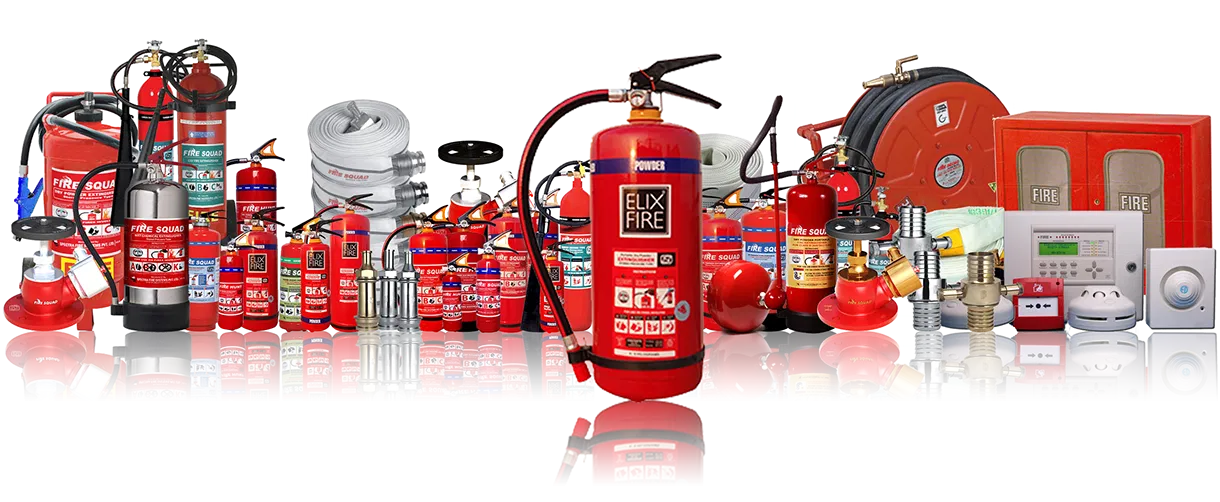
Fire protection systems are designed for one critical purpose: reliable performance during an emergency. Everything about their design, installation, and required maintenance points toward this single objective. Yet many building owners invest in quality fire protection systems and then fail to maintain them properly. A system that is not maintained consistently may look intact but fail catastrophically when fire strikes. Keeping fire protection equipment truly ready requires deliberate and ongoing effort.
This article outlines the practical strategies that keep fire protection equipment in a genuine state of emergency readiness. These strategies address technical maintenance, operational discipline, staff preparedness, and documentation practices. Each contributes to the overall reliability that true emergency readiness demands. Property owners who implement all of these strategies have the highest confidence that their systems will perform when lives depend on them.
Understanding Emergency Readiness for Fire Systems
Emergency readiness is not a condition achieved once at installation. It is a sustained state maintained through continuous management attention. Every component in a fire protection system must function correctly for the system to perform as designed. A single failed component can break the chain of events that controls a fire effectively. Readiness therefore means every component, not most components, is verified functional.
The chain of emergency response involves detection, suppression, notification, and human response in sequence. Each link in this chain depends on equipment and people functioning correctly. Fire sprinkler heads must activate at the correct temperature. Water must flow at adequate pressure to all active heads. Alarm systems must notify occupants and monitoring stations immediately. Each of these requirements depends on maintenance activities that are performed consistently and documented accurately.
Scheduling and Following Inspection Programs Consistently
Consistent execution of scheduled maintenance is the foundation of emergency readiness. NFPA 25 establishes specific inspection frequencies for every component in a water-based fire protection system. These frequencies are scientifically grounded in research about how quickly failure modes develop. Following them consistently ensures that problems are caught before they compromise emergency performance.
Weekly control valve inspections confirm that all zones retain their protected status. Quarterly alarm testing verifies that every notification function responds correctly. Annual comprehensive inspections evaluate every system component in detail. Five-year internal pipe inspections reveal corrosion that exterior examination cannot detect. Meeting every frequency requirement without deferrals or gaps is what keeps inspection programs genuinely effective.
The Danger of Deferred Maintenance
Deferred maintenance is the most common threat to sustained emergency readiness. Budget pressures, operational disruptions, and perceived low risk all contribute to maintenance deferrals. But each deferred activity creates a window where the system may not perform as designed. Multiple overlapping deferrals create compound vulnerability that dramatically increases failure risk. Property owners who treat maintenance schedules as non-negotiable commitments avoid this accumulated risk.
Digital maintenance management platforms help prevent deferrals by automating reminders and tracking completion. Overdue activities are immediately flagged and escalated for prompt scheduling. Service provider relationships that include priority scheduling for returning clients reduce the logistics burden of timely completion. Treating maintenance as an operational priority rather than an optional expense is the mindset shift that prevents deferrals from compromising readiness.
Maintaining Adequate Water Supply and Pressure
Emergency suppression requires water at adequate pressure and volume delivered to the fire location. A system that cannot deliver its designed hydraulic demand cannot control a fire effectively. Water supply and pressure must be verified regularly to confirm they remain adequate for system performance. Changes in municipal water supply pressure can reduce available flow without any internal system problem.
Annual waterflow testing measures the actual pressure and volume available at system demand. Results are compared against original hydraulic design calculations to identify any shortfall. The source of any measured shortfall is investigated and corrected before the next inspection. Common causes include progressive pipe corrosion, partially closed valves, and changes in municipal supply characteristics. Addressing supply deficiencies proactively ensures the system can actually deliver its designed performance.
Fire Pump Readiness in Pressure-Dependent Buildings
Buildings that rely on fire pumps for system pressure require specific pump maintenance programs. Fire pumps are complex mechanical components that must start and deliver rated flow instantly during an emergency. NFPA 25 requires weekly no-flow tests, monthly flow tests, and annual full-performance tests. Each testing frequency addresses a different aspect of pump readiness. Missing any required test creates both compliance exposure and genuine performance risk.
Pump room conditions affect emergency access and operation during actual fire events. Pump rooms must remain accessible, properly lit, and free of storage or obstructions at all times. Fuel supply for diesel-powered pumps must be maintained at adequate levels. Fuel quality deterioration from long storage requires periodic testing and treatment. A pump that cannot be accessed or started during an emergency provides no protection despite being physically intact.
Verifying Alarm and Notification System Function
Alarm systems connect sprinkler activation to the human response that limits harm during emergencies. When suppression activates, building occupants must receive immediate notification to evacuate safely. Monitoring stations must receive signals that trigger fire department dispatch within required timeframes. Any break in this notification chain increases injury risk and allows fires to grow before responders arrive.
Quarterly alarm testing confirms that every element of the notification chain functions correctly. Flow switches, pressure switches, and supervisory devices must all respond within designed parameters. Audible and visual notification devices must activate with sufficient intensity for occupant awareness. Monitoring station signal transmission must occur within required time limits. All test results are documented with findings, dates, and technician credentials for regulatory review.
End-to-end alarm system inspection beyond functional testing addresses wiring and connection integrity. Corroded terminal connections cause intermittent failures that functional testing alone may not catch. Physical damage to conduit and wiring creates vulnerabilities that develop into failures over time. Complete wiring inspections identify degraded connections before they cause notification failures during actual emergencies. Combining wiring inspection with quarterly functional testing provides comprehensive alarm system readiness.
Ensuring Physical Component Integrity
Physical component integrity involves the condition of every sprinkler head, pipe, fitting, and support element. Heads that are painted, physically damaged, or corroded cannot perform as designed. Obstructions within 18 inches of heads prevent water from distributing correctly across the protected area. Pipes with compromised structural integrity may fail under emergency operating pressure. Each of these physical conditions represents a gap in protection that maintenance must address.
Maintaining the required clearance below every sprinkler head is a critical readiness requirement. Storage, shelving, and equipment that encroach within 18 inches compromise spray pattern distribution. Building staff who understand this requirement can help identify clearance violations during daily operations. Regular professional inspections systematically verify clearance compliance throughout the building. Addressing violations promptly restores the full protective coverage that the system was designed to provide.
Consistent application of fire sprinkler system maintenance protocols ensures every physical component remains in the condition required for reliable emergency performance. Technicians trained in fire protection systems recognize conditions that compromise readiness before they cause failures. Their inspections and corrective recommendations keep physical components functioning within designed parameters across the entire system. Following through on all recommended corrective actions after every inspection maintains the component integrity that emergency readiness depends upon.
Managing System Impairments Without Creating Gaps
System impairments are inevitable in any actively managed building. Planned maintenance, emergency repairs, and system modifications all require temporary protection interruptions. How these impairments are managed determines whether they create compliance violations and how much emergency vulnerability they introduce. Professional impairment management minimizes both duration and risk.
Fire watch procedures must be implemented immediately when any part of the system goes out of service. Most jurisdictions require fire watch to begin within 10 minutes of any protection impairment. Fire watch personnel regularly patrol affected areas and can detect and report fire conditions that the impaired system cannot suppress. These personnel must be trained for the role and equipped with appropriate communication devices. Documenting all fire watch activities creates a record of responsible impairment management.
Planning impairments in advance prevents the compliance violations that unprepared buildings experience. All required notifications to fire authorities and monitoring stations must be completed before work begins. Impairment duration should be minimized by having all required materials on hand before shutdown. Professional service providers who specialize in fire protection work efficiently to reduce impairment window duration. Returning the system to service as quickly as possible restores emergency readiness and ends the fire watch requirement.
Training Building Staff for Emergency Readiness
Technical system readiness is only one dimension of comprehensive fire protection preparedness. The people who occupy and operate the building play equally important roles in emergency outcomes. Staff who understand fire emergency procedures respond more effectively when alarms activate. Their correct response supports the technical system's protective function during actual events.
All building occupants should know evacuation routes, alarm sounds, and assembly point locations. Staff who have specific fire safety roles should receive additional training appropriate to those responsibilities. Evacuation wardens help coordinate orderly building evacuation during alarm events. Staff who know control valve locations can assist with emergency shutdown operations if needed. This human preparedness complements the technical maintenance program to create comprehensive emergency readiness.
Regular fire drills reveal gaps in emergency preparedness that cannot be identified through training alone. Drills conducted during normal working hours test realistic readiness rather than prepared performance. Post-drill analysis identifies specific weaknesses for targeted improvement. Documentation of drill outcomes supports regulatory compliance and demonstrates proactive emergency preparedness management. Buildings that conduct meaningful drills regularly achieve consistently better evacuation outcomes during actual emergencies.
Communicating System Status Changes to Staff
Building staff should be informed of any planned system impairments before work begins. Staff awareness of impairment periods and active fire watch requirements supports appropriate caution during these periods. They can contribute to fire watch effectiveness by reporting any smoke, unusual odors, or other fire indicators during system outages. This collaborative approach to impairment management supplements formal fire watch procedures effectively.
Staff should also know who to contact if they observe potential fire system problems. A clear reporting pathway ensures that concerns reach the appropriate decision-makers quickly. Problems reported promptly receive faster corrective action than those discovered during periodic inspections. Creating and communicating this reporting pathway costs nothing and adds meaningful early warning capability to the overall fire protection program.
Maintaining Complete and Current Documentation
Documentation readiness is the administrative foundation of overall fire protection emergency readiness. Complete service records allow any qualified technician to understand the system's history and current condition. They support regulatory compliance demonstrations during fire authority inspections. They protect insurance coverage by proving that required maintenance was performed on schedule. They also provide legal protection if fire-related incidents result in litigation.
Service records should document every inspection, test, deficiency finding, and corrective action with dates and technician credentials. Reports formatted to NFPA 25 documentation standards satisfy multiple oversight body requirements simultaneously. Digital storage of these records ensures accessibility even if physical records are destroyed in a fire. Regular record organization and review allows building managers to identify patterns and plan proactive maintenance based on system history. Documentation readiness is inseparable from technical and operational emergency readiness.
Conclusion
Keeping fire protection equipment ready for emergencies requires consistent attention to technical maintenance, water supply verification, alarm system function, physical component integrity, staff preparedness, and documentation quality. No single element is sufficient without the others. Buildings that address all dimensions of emergency readiness provide occupants with the genuine protection that fire sprinkler systems are designed to deliver. Every investment in comprehensive readiness management is an investment in the safety of every person who enters the building and the long-term protection of the property itself.
 Arabic
 English
 French
 Spanish
 Portuguese
 Deutsch
 Turkish
 Dutch
Dutch
 Italiano
 Russian
 Romaian
 Portuguese (Brazil)
 Greek
Greek
 Hrvatski
 Cehoslowakia