

What Conditions Can Benefit From Physiotherapy in Whitby?
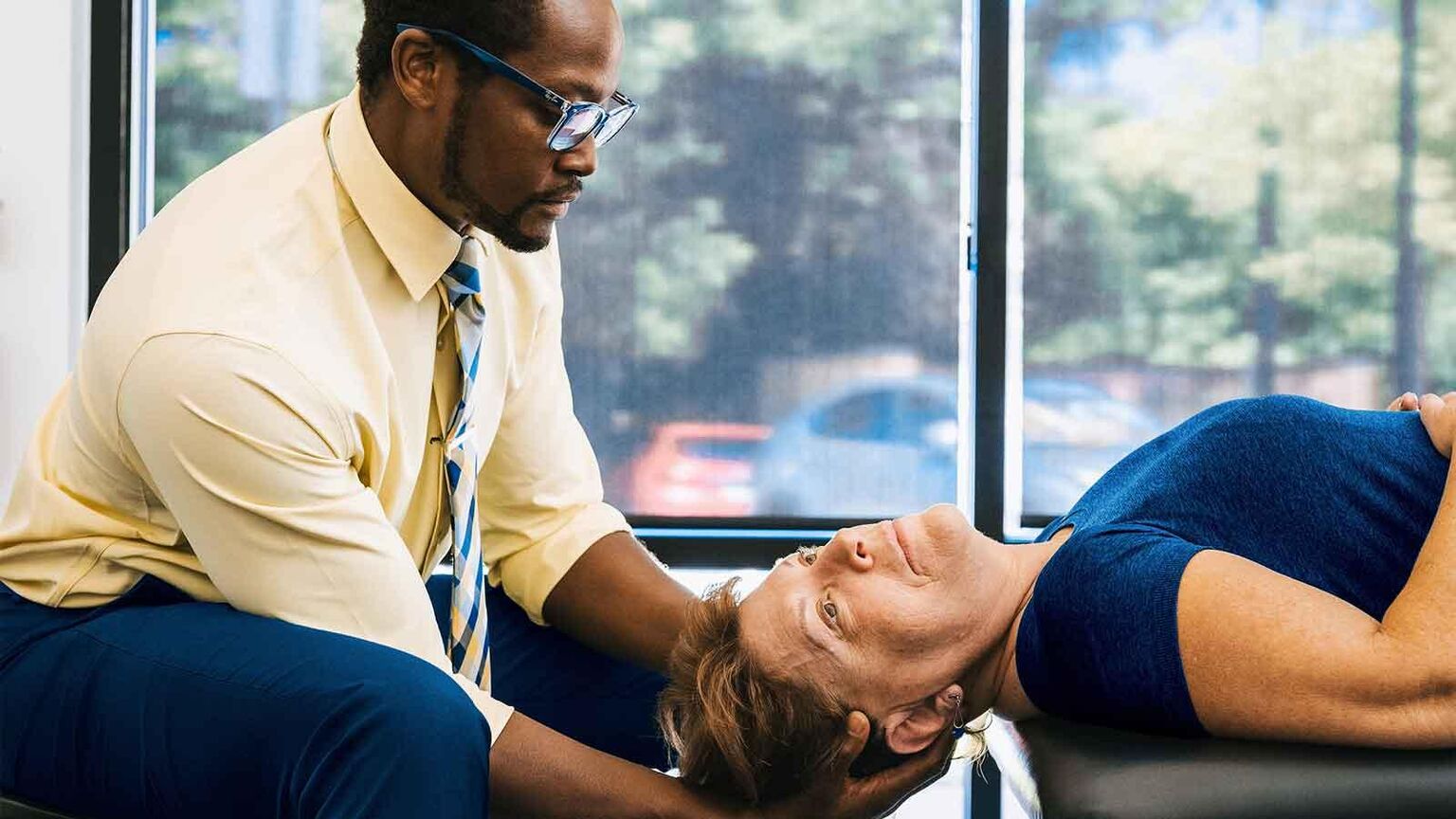
Physiotherapy is far more versatile than many people realize. Most people associate it primarily with sports injuries or post-surgical rehabilitation. In reality, physiotherapy addresses an extraordinary range of conditions effectively. From chronic pain to neurological dysfunction, its applications are broad and well-supported. Understanding which conditions respond to physiotherapy helps people seek care sooner. Earlier intervention consistently leads to better outcomes across most diagnoses. This article explores the diverse conditions that respond meaningfully to physiotherapy treatment.
Musculoskeletal Conditions and Physiotherapy
Musculoskeletal conditions represent the largest category treated by physiotherapy. These conditions involve the muscles, bones, joints, tendons, and ligaments. They include everything from acute sports injuries to chronic degenerative conditions. Lower back pain, neck pain, and shoulder injuries are among the most prevalent. Knee pain from ligament injury, meniscal damage, or osteoarthritis is also common. Ankle sprains, wrist injuries, and hip conditions are regularly treated. Physiotherapy addresses each of these through a combination of targeted techniques. Manual therapy, therapeutic exercise, and patient education are the primary tools.
Back Pain and Physiotherapy
Lower back pain is the most prevalent musculoskeletal complaint globally. It affects people across all ages, occupations, and activity levels. Most lower back pain has a mechanical origin related to posture or movement. Physiotherapy addresses this through postural correction and core strengthening. Manual therapy reduces joint stiffness and muscle guarding effectively. Education about pain science reduces fear and improves recovery engagement. Most patients with lower back pain avoid surgery entirely with physiotherapy. Long-term recurrence is also reduced when rehabilitation is thorough and complete.
Neurological Conditions and Rehabilitation
Neurological conditions create complex rehabilitation challenges that physiotherapy addresses. Stroke is one of the most significant neurological conditions managed by physiotherapists. Following stroke, patients may experience weakness, spasticity, and gait difficulties. Physiotherapy uses task-specific training to facilitate neuroplastic recovery. The brain reorganizes neural pathways through repetitive, purposeful movement. Traumatic brain injury and multiple sclerosis also respond to rehabilitation. Balance, coordination, and gait are all addressed through specialized programs. Neurological physiotherapy requires advanced training and genuine clinical expertise.
Parkinson's Disease and Physiotherapy
Parkinson's disease causes progressive motor dysfunction, rigidity, and balance impairment. Physiotherapy cannot halt disease progression but significantly manages its impact. Gait training improves walking safety and stride length. Balance training reduces fall risk in this high-risk population. Rigidity is addressed through manual therapy and targeted stretching. Exercise programs slow the functional decline associated with the condition. LSVT BIG, a specialized exercise approach, produces meaningful improvements. Physiotherapy improves quality of life and maintains independence longer.
Cardiovascular and Pulmonary Conditions
Physiotherapy plays an important role in cardiovascular and pulmonary rehabilitation. Cardiac rehabilitation programs follow heart attack, bypass surgery, or heart failure. Supervised exercise programs improve cardiac function and reduce mortality. Physiotherapists design and supervise these programs with specialized training. Pulmonary rehabilitation benefits patients with chronic obstructive pulmonary disease. Breathing exercises and aerobic training improve respiratory function meaningfully. Physiotherapy helps these patients remain active despite chronic disease. The evidence base for cardiopulmonary physiotherapy is strong and well-established.
Post-Surgical Rehabilitation
Surgery is often just the first step toward restored function. Post-surgical physiotherapy is what transforms surgical success into functional recovery. Total knee and hip replacements require extensive rehabilitation afterward. Range of motion, strength, and gait are all systematically restored. Rotator cuff repairs need carefully graduated exercise programs. Spinal surgeries require specific mobilization and stabilization programs. The timing, content, and progression of post-surgical rehabilitation matters greatly. Expert physiotherapy after surgery produces faster and more complete outcomes consistently.
For residents across Whitby managing any of these conditions, accessing physiotherapy Whitby provides expert-led, individualized rehabilitation services. Clinicians assess each condition comprehensively and design personalized treatment programs. All conditions are managed with evidence-based techniques and genuine clinical care. The goal is always to restore maximum function and quality of life.
Rehabilitation After Orthopedic Surgery
Orthopedic surgery accounts for a large proportion of post-surgical referrals. Knee ligament reconstruction is among the most common procedures requiring intensive rehabilitation. Anterior cruciate ligament rehabilitation spans nine to twelve months. Quadriceps reactivation, neuromuscular training, and sport-specific exercises are sequenced carefully. Shoulder surgery rehabilitation includes rotator cuff repair and labral reconstruction. Gentle mobilization progresses to full functional training over months. Hip replacement rehabilitation prioritizes safe movement and strength restoration. Expert post-surgical physiotherapy consistently produces superior long-term functional outcomes.
Vestibular and Balance Conditions
Vestibular conditions are a specialized area within physiotherapy practice. They include benign paroxysmal positional vertigo, vestibular neuritis, and Meniere's disease. These conditions cause dizziness, vertigo, and significant balance impairment. Vestibular physiotherapy uses canalith repositioning maneuvers for BPPV. Gaze stabilization and habituation exercises manage other vestibular conditions. Balance retraining addresses the postural instability that accompanies vestibular dysfunction. Specialized assessment tools help identify the specific vestibular diagnosis. This precision ensures treatment is targeted and produces meaningful symptom relief.
Chronic Pain Conditions
Chronic pain is a complex condition requiring a multidimensional rehabilitation approach. It involves persistent nervous system sensitization that outlasts tissue healing. Standard tissue-focused treatment alone is insufficient for chronic pain. Physiotherapy integrates pain neuroscience education into the treatment approach. Patients learn how the nervous system generates and maintains pain. Graded activity exposure helps overcome the fear-avoidance behavior common in chronic pain. Pacing strategies prevent the boom-bust cycle that worsens chronic conditions. Psychological strategies address the cognitive and emotional dimensions of pain.
Fibromyalgia and Physiotherapy
Fibromyalgia is a chronic widespread pain condition with complex features. It involves central sensitization, fatigue, sleep disturbance, and cognitive difficulty. Physiotherapy is among the most effective management approaches for fibromyalgia. Graded aerobic exercise reduces central sensitization over consistent practice. Water-based exercise is particularly well-tolerated in this population. Education about the condition reduces distress and improves self-management. Sleep hygiene, pacing, and stress management strategies are all integrated. Physiotherapy significantly improves function and quality of life in fibromyalgia.
Pediatric Conditions and Youth Rehabilitation
Physiotherapy serves an important role in pediatric healthcare. Children experience developmental, orthopedic, and neurological conditions that require rehabilitation. Cerebral palsy, developmental coordination disorder, and scoliosis are common. Physiotherapy improves motor development, posture, and functional independence in children. Youth sports injuries require age-appropriate rehabilitation that respects growth plates. Postural education in children prevents the development of adult musculoskeletal pain. Pediatric physiotherapists use play-based approaches to engage young patients effectively. Early intervention in childhood produces the most meaningful long-term outcomes.
Women's Health Physiotherapy
Women's health physiotherapy addresses conditions specific to female physiology. Pelvic floor dysfunction affects a large proportion of women at various life stages. Pelvic physiotherapy treats incontinence, pelvic organ prolapse, and pelvic pain. Antenatal physiotherapy prepares the body for the demands of childbirth. Postnatal rehabilitation restores core and pelvic floor function after delivery. Breast cancer-related lymphedema is managed through manual lymphatic drainage. Menopause-related musculoskeletal changes are addressed through targeted exercise. Women's health physiotherapy significantly improves quality of life across the female lifespan.
Physiotherapy benefits an extraordinarily wide range of conditions. From musculoskeletal and neurological conditions to chronic pain and women's health, the scope is vast. Whitby residents dealing with almost any physical condition have physiotherapy options available. Professional assessment determines the most appropriate and individualized treatment approach. Evidence-based techniques are applied with genuine clinical expertise at every stage. The outcome of quality physiotherapy is improved function, reduced pain, and better quality of life. Whatever the condition, physiotherapy is very likely to help in meaningful ways.

 English
 Arabic
 French
 Spanish
 Portuguese
 Deutsch
 Turkish
 Dutch
Dutch
 Italiano
 Russian
 Romaian
 Portuguese (Brazil)
 Greek
Greek
 Cehoslowakia