


Why Is Good Posture Important for Everyday Mobility?
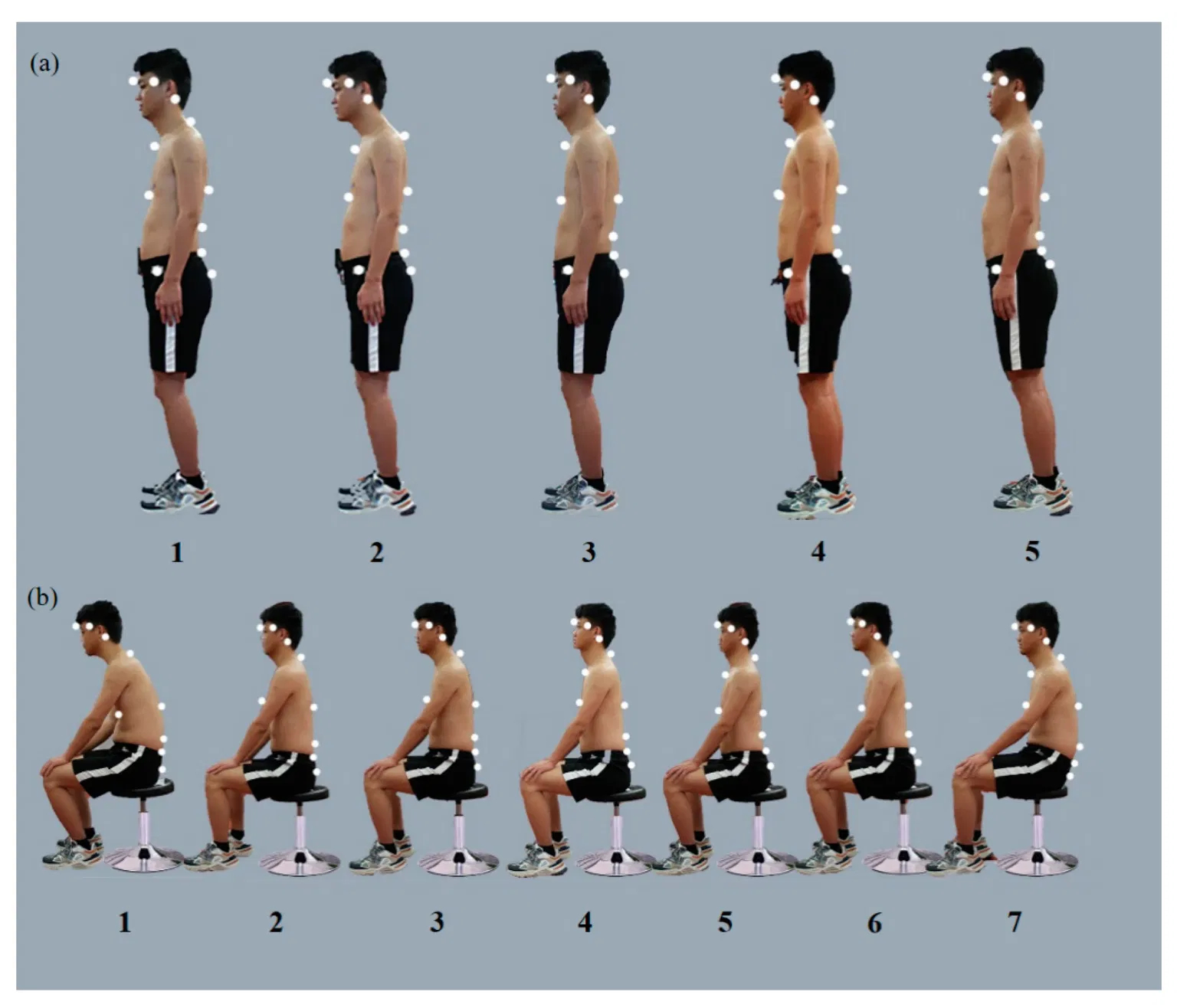
Most people associate good posture with looking confident or avoiding back pain. The reality is far broader and more significant than most realize. Posture influences how you move, breathe, think, and feel every day. Poor posture is not merely an aesthetic concern or a sign of laziness. It is a functional issue with wide-ranging consequences for mobility and overall health.
The Foundation of Efficient Movement
Every movement you make begins from your postural base. The alignment of your spine and limbs determines how forces travel through your body. Good postural alignment allows muscles to generate force efficiently and effectively. Poor alignment forces muscles to work harder just to maintain position. This inefficiency drains energy and reduces the quality of every movement.
How Posture Affects Joint Loading
Each spinal joint has an optimal position for efficient load distribution. When posture deviates from this optimal position, loading becomes uneven. Some joints experience excessive compression while others are placed under tension. Over time, this uneven loading accelerates joint degeneration in the overloaded areas. Articular cartilage breaks down faster under sustained abnormal mechanical stress.
The same principle applies to peripheral joints including hips, knees, and ankles. A tilted pelvis alters hip joint mechanics and loading patterns. Altered hip mechanics then affect how the knee tracks during walking. Knee misalignment can then produce abnormal ankle and foot loading. This kinetic chain effect explains why a spinal postural problem often causes extremity pain.
Muscular Efficiency and Postural Alignment
Muscles generate maximum force when they are at their optimal length. Poor posture places many muscles in chronically shortened or lengthened positions. Shortened muscles generate force poorly and fatigue more quickly. Lengthened muscles lose their ability to produce adequate tension when needed. Both situations reduce functional movement quality significantly.
Forward head posture shortens the suboccipital and cervical extensor muscles chronically. These muscles then lose the ability to stabilize the head efficiently. The result is fatigue, pain, and reduced neck mobility during daily activities. Correcting posture restores muscles to their optimal length-tension relationships. Improved muscular efficiency follows naturally as alignment normalizes.
Posture and Its Influence on Breathing Mechanics
Breathing is directly influenced by the alignment of the thoracic spine and ribcage. Poor thoracic posture compresses the chest and limits diaphragm movement. Shallow breathing patterns develop as a compensatory response to this restriction. Reduced oxygen exchange then affects energy levels, focus, and recovery capacity.
Thoracic Kyphosis and Respiratory Function
Excessive thoracic kyphosis, or rounding of the upper back, restricts thoracic expansion. The ribcage cannot expand fully during inhalation in this position. Diaphragm descent is limited by the compressed abdominal contents below. Breathing becomes primarily shallow and upper-chest dominant as a result. This breathing pattern activates the accessory neck and shoulder muscles excessively. Chronic neck and shoulder tension often has thoracic postural restriction as its root cause.
Improving thoracic extension through chiropractic care and targeted exercise helps significantly. As the thoracic spine opens, the chest expands more freely during breathing. Diaphragm function improves and breathing becomes deeper and more efficient. Many patients report significant improvements in energy and reduced tension after thoracic mobility is restored.
How Poor Posture Limits Everyday Mobility
Mobility refers to the ability to move joints through their full range of motion. Posture and mobility are deeply interdependent and mutually reinforcing. Poor posture consistently restricts mobility in predictable and measurable ways.
Cervical Mobility and Head Rotation
Forward head posture is among the most common postural dysfunctions in modern adults. It places the cervical spine in a position of sustained flexion and compression. This sustained position shortens the posterior cervical muscles and joint capsules. Over time, the ability to rotate, flex, and extend the neck decreases significantly.
Reduced cervical mobility affects driving safety, sports performance, and daily comfort. Looking over the shoulder while driving requires adequate cervical rotation. Many activities from conversation to exercise require free neck movement. Restoring cervical alignment improves mobility and reduces the pain that restricts it.
Hip Mobility and Lumbar Compensation
Anterior pelvic tilt from tight hip flexors reduces available hip extension range. When hip extension is limited, the lumbar spine compensates during walking and running. This lumbar compensation creates excessive extension stress on lumbar joints and discs. Low back pain during or after activity is a common result of this pattern.
Restoring hip mobility reduces the demand placed on the lumbar spine. Stretching the hip flexors and strengthening the gluteal muscles restores pelvic balance. Manual therapy to the hip joints addresses any capsular restrictions that limit mobility. The combined approach reduces lumbar compensation and associated back pain effectively.
Shoulder Mobility and Thoracic Posture
Rounded shoulder posture significantly limits overhead arm movement. The scapula cannot upwardly rotate properly when the thoracic spine is flexed. This restriction reduces the available range for reaching, lifting, and throwing. Shoulder impingement, a common and painful condition, often has postural roots.
Addressing thoracic extension and scapular positioning restores shoulder mobility. Manual therapy to restricted thoracic segments immediately improves overhead range. Scapular stabilizer strengthening maintains the corrected position during activity. This approach resolves many shoulder complaints that are incorrectly attributed to the shoulder itself.
Posture's Effect on the Nervous System and Pain
The nervous system runs through and around every spinal structure. Postural alignment directly influences neural tissue tension and function. Poor posture is a significant contributor to nerve irritation and pain sensitization.
Nerve Compression From Postural Misalignment
Spinal nerve roots exit through foramina between adjacent vertebrae. Poor posture narrows these foramina and places mechanical pressure on exiting nerves. The result can be radiating pain, numbness, or tingling into the arms or legs. Cervical nerve compression often produces symptoms into the shoulder and hand. Lumbar nerve compression produces symptoms into the hip, leg, and foot.
Correcting postural alignment relieves the mechanical pressure on compressed nerves. Spinal adjustments and mobilization restore foraminal space by improving segmental alignment. Many patients experience rapid reduction in radiating symptoms after postural correction. This nerve decompression is one of the most clinically significant benefits of postural care.
Proprioception and Postural Control
Proprioception is the sensory system that informs the brain about body position. Spinal joints contain high concentrations of proprioceptive nerve endings. When postural alignment is poor, proprioceptive signals to the brain are distorted. The brain receives inaccurate positional information and struggles to coordinate movement.
Restoring joint alignment improves proprioceptive signal accuracy significantly. The brain can then more accurately sense and control body position during movement. Balance, coordination, and movement efficiency all improve as proprioception normalizes. This neurological benefit of postural correction enhances overall mobility in meaningful ways.
Addressing Posture With Professional Support
Self-directed postural improvement efforts are valuable but have clear limitations. Without professional assessment, significant individual postural patterns are easily missed. Personalized professional care addresses the specific restrictions and imbalances driving your postural dysfunction.
A well-established chiropractic clinic edmonton offers exactly the comprehensive postural evaluation and treatment you deserve. Chiropractors identify joint restrictions, muscle imbalances, and movement compensations with precision. Spinal adjustments restore alignment and improve joint mobility directly and effectively. Prescribed exercises and lifestyle modifications support and sustain clinical improvements.
The Role of Chiropractic Adjustments in Postural Correction
Chiropractic adjustments specifically address the joint restrictions that maintain poor posture. Restricted thoracic segments cannot extend fully, perpetuating rounded upper back posture. Adjustments restore segmental mobility and allow the spine to assume better alignment. The nervous system responds by reducing protective muscle guarding around treated joints.
Patients often notice improved ease of standing upright after thoracic adjustments. The body naturally assumes better alignment as joint restrictions are progressively released. Consistent treatment over time produces more lasting structural changes in spinal alignment. Maintenance care after the initial correction phase sustains the improvements long-term.
Daily Practices That Reinforce Good Posture and Mobility
Professional care produces its greatest benefits when supported by daily practices. Building posture-supporting habits into your routine accelerates and sustains improvement.
Performing a brief morning mobility routine prepares the body for the day ahead. Cat-cow movements, thoracic rotations, and hip circles lubricate the spinal joints. Starting the day with intentional movement sets a positive foundation for posture throughout. Evening stretching reverses the accumulated tension and shortening from daily activities.
Maintaining awareness of your posture during routine activities compounds the effect of targeted exercises. Walking with a lifted chest and relaxed shoulders reinforces good spinal alignment. Choosing chairs and surfaces that support neutral spinal curves helps maintain good posture. Every consistently applied effort contributes to lasting improvement in mobility and postural health.

 English
 Arabic
 French
 Spanish
 Portuguese
 Deutsch
 Turkish
 Dutch
Dutch
 Italiano
 Russian
 Romaian
 Greek
Greek
 Hrvatski
 Cehoslowakia