


Why Is Hip Joint Preservation Important for Active Adults?
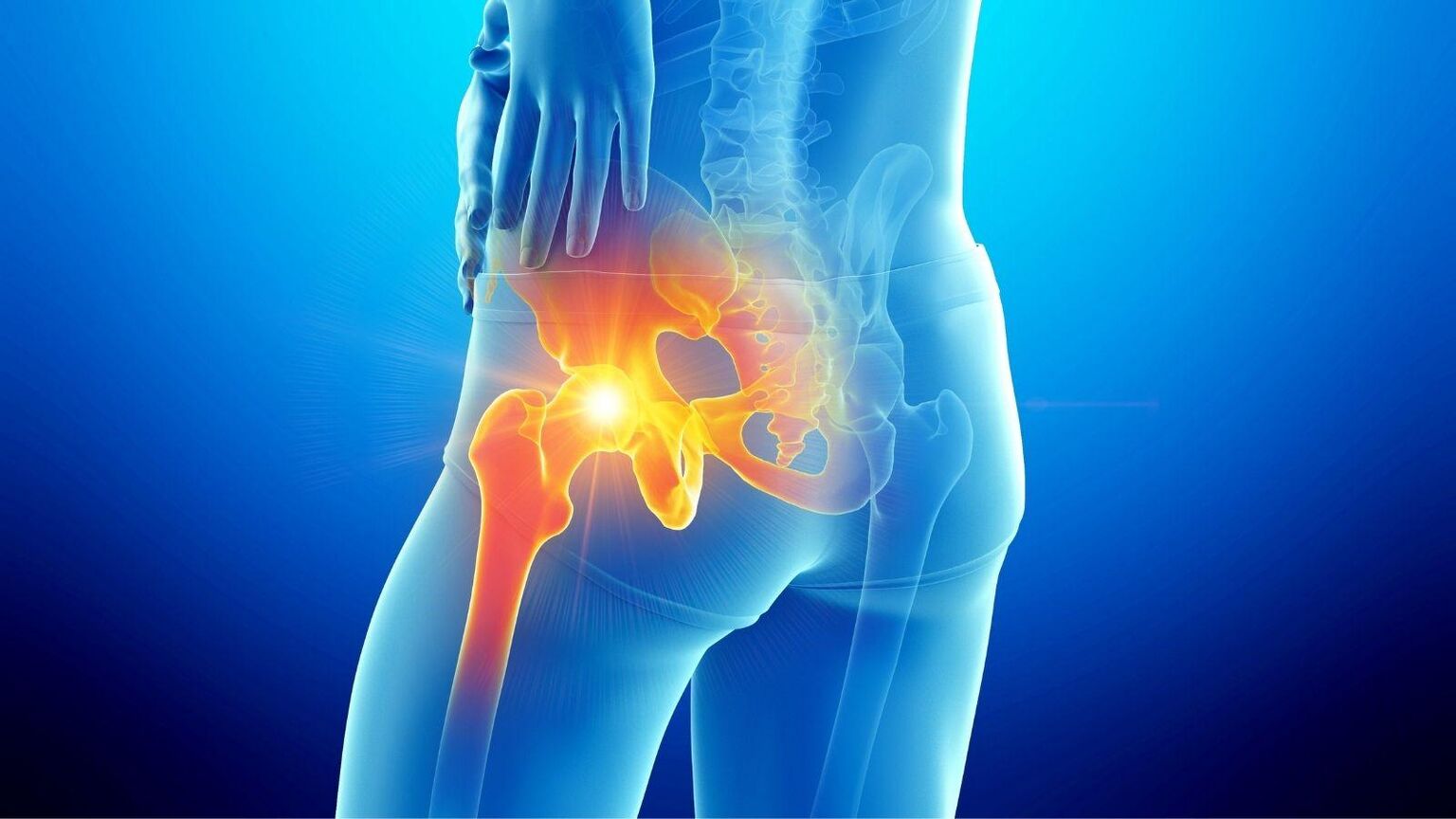
Active adults rely heavily on healthy hip function. Joint problems can disrupt favorite activities suddenly. Preservation techniques offer meaningful hope for many. This article explores why preservation matters significantly.
Understanding Hip Joint Preservation
Preservation focuses on protecting natural joint structure. It differs from full joint replacement. Surgeons address specific damage within the hip. This approach often suits younger, active patients. Understanding preservation clarifies its meaningful benefits.
The goal is delaying more invasive treatment. Preserving natural tissue supports long-term joint function.
Why Active Adults Face Unique Risks
Repetitive movement can accelerate joint wear over time. High-impact sports place extra stress on hips. Previous injuries may also contribute to damage. Active lifestyles increase exposure to joint strain. Understanding these risks supports proactive care.
Running and jumping sports carry particular risk. Doctors often discuss activity modification during evaluation.
Common Conditions Affecting Active Adults
Hip impingement frequently affects physically active individuals. Labral tears are also relatively common. Early arthritis sometimes develops from repetitive stress. Each condition requires careful individual evaluation. Specialists tailor treatment to lifestyle goals.
Dysplasia can also affect active younger adults. Early detection improves long-term treatment outcomes significantly.
Recognizing Early Warning Signs
Persistent groin pain often signals joint problems. Stiffness after activity is another common sign. Reduced flexibility may affect daily movement. Clicking sensations sometimes accompany joint damage. Recognizing these signs supports timely evaluation.
Pain during specific movements deserves careful attention. Many patients initially dismiss these subtle symptoms.
The Diagnostic Process
Doctors begin with detailed activity history. Physical examination reveals functional limitations clearly. Imaging confirms the extent of joint damage. These combined results guide treatment decisions. Specialist evaluation ensures appropriate recommendations.
MRI scans provide detailed soft tissue information. This helps doctors assess damage precisely.
Benefits of Choosing Preservation Early
Early intervention often yields better long-term results. Preservation can delay more invasive procedures significantly. Natural joint structure remains largely intact. Recovery often proves faster than full replacement. Active adults particularly value these advantages.
Reduced recovery time helps patients resume routines quickly. This benefit matters greatly for busy lifestyles.
How Preservation Supports Long-Term Mobility
Protecting natural bone supports future treatment options. Preservation can extend years of active function. Regular monitoring helps track joint condition. Staying proactive protects long-term mobility significantly. Lifestyle choices continue influencing outcomes over time.
Many patients enjoy sustained activity for years afterward.
The Role of Physical Therapy in Preservation
Physical therapy supports strength around the joint. Balanced muscle development protects joint stability. Therapists design programs suited to activity goals. Consistent therapy improves long-term treatment success. Rehabilitation remains essential throughout the process.
Sport-specific exercises often follow general rehabilitation phases. This supports safer return to preferred activities.
Considering Different Treatment Pathways
Some patients qualify for less invasive procedures. Others may require more comprehensive treatment approaches. Doctors evaluate candidacy based on damage severity. Patients considering hip resurfacing surgery should discuss all available options thoroughly. Understanding pathways supports informed decision-making.
Every patient's situation requires individual consideration carefully.
Lifestyle Adjustments Supporting Joint Health
Maintaining healthy weight reduces joint stress considerably. Cross-training reduces repetitive strain on hips. Proper footwear also supports joint protection. Listening to early warning signs matters greatly. Small adjustments protect long-term joint function.
Low-impact activities can complement higher-impact training routines. This balance helps protect joint health overall.
Nutrition and Joint Preservation
Proper nutrition supports tissue health and repair. Anti-inflammatory foods may reduce joint stress naturally. Adequate protein supports surrounding muscle strength. Hydration also plays a supporting role. Balanced nutrition contributes to long-term joint health.
Calcium and vitamin D support underlying bone health. These nutrients matter throughout an active lifestyle.
Emotional Motivation Behind Preservation Decisions
Staying active often connects deeply to identity. Losing mobility can feel genuinely distressing. Preservation offers hope for continued participation. Motivation to remain active often drives decisions. Emotional wellbeing improves alongside physical function.
Many patients describe renewed enthusiasm after successful treatment.
Preventing Future Joint Deterioration
Strength training supports long-term joint stability. Flexibility exercises also protect against future injury. Regular check-ups help catch problems early. Prevention remains valuable throughout an active lifestyle. Proactive care protects years of continued mobility.
Monitoring symptoms helps identify issues before they worsen.
Questions to Discuss With Your Doctor
Patients should ask about activity-specific recovery expectations. Understanding realistic timelines supports informed decisions. Asking about long-term joint durability matters too. Clarifying training restrictions avoids future confusion. Open dialogue improves overall treatment satisfaction.
Making an Informed Decision
Choosing preservation involves weighing several factors. Lifestyle goals should align with medical advice. A trusted specialist can guide this decision. Personal comfort with treatment also matters. Informed choices lead to better long-term satisfaction.
Final Thoughts
Hip preservation offers significant value for active adults. Understanding available options supports confident decisions. Consulting a specialist clarifies the best approach. Many patients successfully maintain active lifestyles afterward. Proactive care protects long-term joint health and mobility.
 English
 Arabic
 French
 Spanish
 Portuguese
 Deutsch
 Turkish
 Dutch
Dutch
 Italiano
 Russian
 Romaian
 Portuguese (Brazil)
 Greek
Greek
 Hrvatski
 Cehoslowakia