


Occupational Therapy for Cerebral Palsy: How It Supports Daily Independence
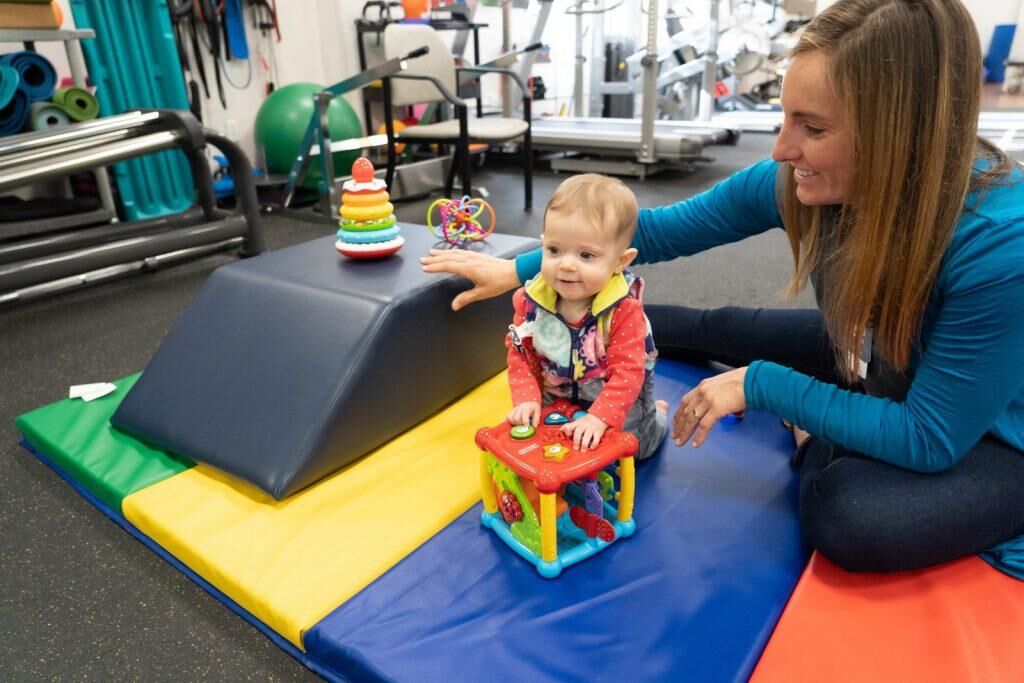
Occupational therapy can play an important role in helping people with cerebral palsy participate more independently in everyday activities. For families exploring Cerebral Palsy Treatment In Dubai, understanding how occupational therapy works can help them identify appropriate rehabilitation options for improving practical skills and participation. Cerebral palsy can affect movement, coordination, muscle tone, posture, and fine motor abilities differently from one person to another. A Doctor at Home service may provide convenient medical support when traveling is difficult, while occupational therapy focuses specifically on helping individuals perform meaningful daily tasks as safely and independently as possible.
What Is Occupational Therapy for Cerebral Palsy?:
Occupational therapy is a rehabilitation approach that helps people develop, maintain, or adapt the skills needed for everyday activities. For someone with cerebral palsy, an occupational therapist may assess hand function, coordination, posture, sensory abilities, movement patterns, and the ability to complete practical tasks. Therapy is based on individual needs and may involve practicing activities, modifying tasks, recommending adaptive equipment, or changing the environment. The overall goal is to help the person participate more effectively in daily life rather than focusing only on physical exercises.
Why Daily Independence Matters:
Independence can look different for every person with cerebral palsy. One individual may want to dress independently, while another may focus on feeding, writing, using a computer, or moving safely around the home. Occupational therapy helps identify realistic goals based on the person's abilities and priorities. Encouraging participation in everyday tasks can also provide opportunities to develop confidence and problem-solving skills. Therapists may break complex activities into smaller steps so individuals can practice specific skills gradually and safely.
Improving Fine Motor Skills:
Fine motor control is important for tasks that require precise hand and finger movements. Cerebral palsy can sometimes make activities such as grasping, releasing, writing, buttoning clothing, or using utensils more difficult. Occupational therapists may use activities designed to improve coordination and functional hand use. Depending on the individual's abilities, therapy may include reaching, grasping, manipulating objects, and practicing real-life tasks. The focus is on applying movement skills to activities that are meaningful to the person rather than simply performing isolated exercises.
Supporting Dressing and Personal Care:
Personal care activities can be challenging when muscle stiffness, weakness, coordination difficulties, or limited range of movement affect mobility. Occupational therapists can teach techniques that make dressing, grooming, bathing, and toileting more manageable. Adaptive clothing, specialized utensils, grab bars, shower equipment, and other tools may be recommended when appropriate. Therapists can also demonstrate safer ways to complete tasks while minimizing unnecessary assistance. The objective is to maximize the person's participation while maintaining comfort and safety.
Helping With Eating and Meal Activities:
Occupational therapy can support independence during mealtimes by addressing positioning, hand control, utensil use, and access to food. A therapist may recommend specialized plates, cups, spoons, or other adaptive equipment if standard items are difficult to use. Proper seating and positioning may also help improve stability during meals. When swallowing difficulties are present, occupational therapy may be coordinated with appropriate medical and speech-language professionals. Any significant feeding or swallowing concern should receive professional assessment rather than being addressed solely through home exercises.
Developing Handwriting and School Skills:
Children with cerebral palsy may experience difficulties with handwriting, using scissors, holding classroom materials, or maintaining a comfortable position during school activities. Occupational therapists can work on fine motor control, hand positioning, visual-motor coordination, and practical classroom skills. Depending on the child's needs, assistive technology may also be considered. Useful adaptations can include:
- Modified writing tools
- Pencil grips
- Slanted writing surfaces
- Alternative keyboards
- Tablet-based learning tools
- Specialized classroom seating
- Speech-to-text technology
These strategies can help children participate more effectively in educational activities.
Supporting Mobility and Functional Movement:
Occupational therapists may address how movement affects daily activities even though physical therapists often take the lead in mobility rehabilitation. For example, an occupational therapist may help a person safely reach objects, transfer between surfaces, position themselves at a desk, or access different areas of the home. Therapy can be coordinated with physiotherapy to ensure that mobility and daily activity goals complement one another. When appropriate, therapists may also recommend equipment that makes everyday movement and participation easier.
Adaptive Equipment for Greater Independence:
Adaptive equipment can reduce barriers and allow individuals to perform tasks that might otherwise require assistance. Equipment recommendations depend on the person's specific needs, abilities, environment, and goals. Examples may include:
- Specialized eating utensils
- Dressing aids
- Shower chairs
- Grab rails
- Wheelchairs or specialized seating
- Communication or computer-access devices
- Modified furniture
- Writing and school equipment
Equipment should be assessed and fitted appropriately because poorly selected devices may be uncomfortable or difficult to use.
Making the Home Environment Safer:
Occupational therapists can assess the home environment and identify obstacles that make everyday activities more difficult. Recommendations may include improving access to frequently used items, modifying bathroom arrangements, adjusting furniture placement, or adding suitable support equipment. For people with significant mobility limitations, environmental adaptations may reduce unnecessary physical demands and make routine activities more accessible. The therapist's recommendations should be tailored to the person's actual movement abilities and the layout of the home.
Occupational Therapy for Children:
For children with cerebral palsy, occupational therapy can support development through play, self-care, school activities, and social participation. Therapists may incorporate age-appropriate games and activities that encourage reaching, grasping, coordination, problem-solving, and independence. Parents can learn techniques for encouraging participation during everyday routines without completing every task for the child. Treatment goals should change as the child grows and develops new abilities. Regular assessment helps ensure that therapy remains relevant to the child's current developmental stage.
Occupational Therapy for Adults:
Adults with cerebral palsy may use occupational therapy to maintain independence and adapt to changing physical abilities. Therapy can support work-related activities, household tasks, personal care, technology use, hobbies, and community participation. Adults who experience increased stiffness, pain, fatigue, or changes in mobility may benefit from reassessment. Occupational therapists can help identify practical adaptations that allow individuals to continue participating in meaningful activities while managing physical challenges.
Supporting Communication and Technology Use:
Some individuals with cerebral palsy may have difficulty using standard computers, phones, or communication devices because of limited hand control or coordination. Occupational therapists can assess access needs and recommend suitable adaptations. These may include alternative keyboards, touch-screen modifications, switches, voice-controlled systems, or other assistive technologies. The appropriate option depends on the person's abilities and intended use. Technology can support education, employment, communication, entertainment, and social participation when matched correctly to individual needs.
The Role of Parents and Caregivers:
Parents and caregivers can reinforce occupational therapy goals through everyday routines. Instead of completing every task for a child or adult, caregivers can provide the appropriate level of assistance and allow the individual opportunities to participate. Useful strategies may include:
- Encouraging the person to complete manageable steps independently
- Following therapist-recommended techniques
- Providing appropriate adaptive equipment
- Allowing extra time for tasks
- Keeping frequently used items accessible
- Monitoring changes in abilities
- Discussing difficulties with the therapy team
Caregivers should follow individualized professional guidance and avoid introducing unfamiliar techniques that could create safety concerns.
Combining Occupational Therapy With Other Treatments:
Occupational therapy is often one part of a broader cerebral palsy care plan. Depending on individual needs, treatment may also involve physiotherapy, speech and language therapy, medical management, orthopedic care, nutritional support, and psychological services. Collaboration between professionals can help ensure that treatment goals are consistent. For example, physiotherapy may focus on mobility and balance while occupational therapy addresses dressing, eating, writing, and other daily tasks. Together, these approaches can provide more comprehensive support.
Home-Based Support and Occupational Therapy:
Home-based healthcare can be useful for individuals who have difficulty traveling because of mobility limitations or other practical challenges. Medical home visits may provide appropriate assessment and follow-up support when recommended by healthcare professionals. Doctor at Home services can complement a broader care plan, while occupational therapy focuses on functional independence and participation. Home-based therapy can also allow therapists to observe the person's actual environment and identify practical barriers that may not be obvious in a clinic setting.
Setting Meaningful Occupational Therapy Goals:
Effective occupational therapy goals should reflect activities that matter to the individual and family. Instead of focusing only on improving a physical movement, therapists may connect that movement to a specific daily task. Examples include:
- Eating independently
- Dressing with less assistance
- Writing or using a computer
- Participating in school
- Managing personal hygiene
- Using household equipment
- Improving access to hobbies
- Increasing participation in community activities
Goals should be reviewed regularly as abilities, priorities, and environments change.
Monitoring Progress Over Time:
Cerebral palsy is a lifelong condition, and functional needs can change throughout childhood and adulthood. Regular occupational therapy assessments can help determine whether current strategies remain effective. Therapists may review hand function, daily activities, equipment, home accessibility, school or workplace requirements, and levels of assistance. When necessary, the treatment plan can be adjusted to introduce new techniques, equipment, or environmental adaptations. Consistent communication between the individual, family, and healthcare team supports ongoing progress.
Final Thoughts:
Occupational therapy can help people with cerebral palsy develop greater participation and independence in everyday activities. By addressing fine motor skills, personal care, eating, education, technology use, home accessibility, and practical daily tasks, therapy focuses on meaningful improvements rather than movement alone. Families considering Cerebral Palsy Treatment In Dubai can discuss occupational therapy with qualified rehabilitation professionals to determine which goals and strategies are appropriate. With individualized therapy, suitable adaptive equipment, family support, and regular reassessment, people with cerebral palsy can work toward greater independence and participation at different stages of life.

 English
 Arabic
 French
 Spanish
 Portuguese
 Deutsch
 Turkish
 Dutch
Dutch
 Italiano
 Russian
 Portuguese (Brazil)
 Greek
Greek
 Hrvatski
 Cehoslowakia