


Caregivers at Home for Seniors: What Families Should Know
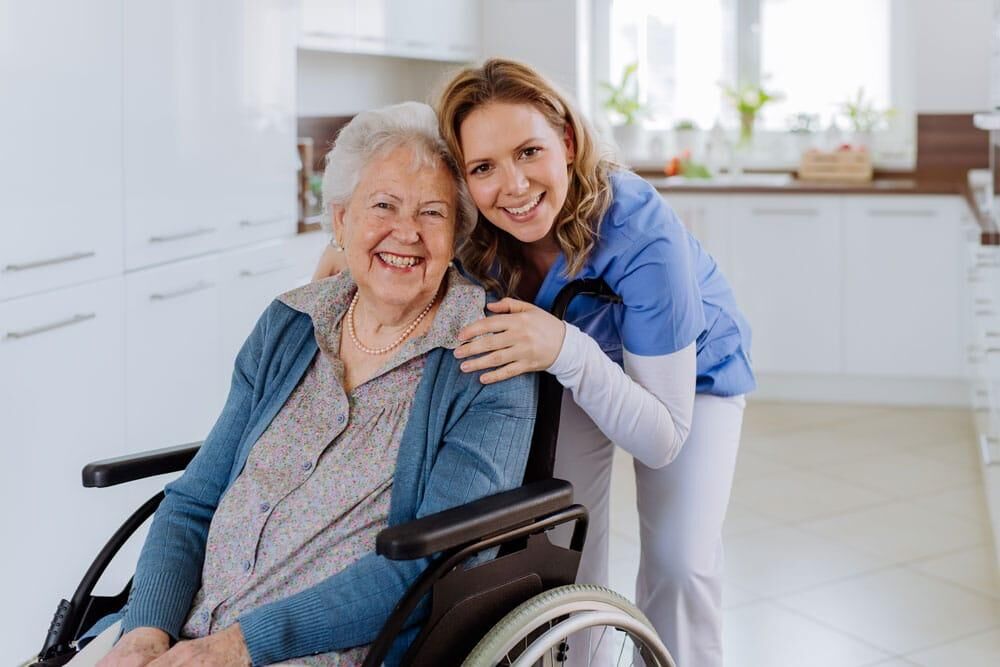
As seniors grow older, everyday activities may become more difficult because of reduced mobility, lower energy, recovery from illness, or the need for regular assistance. Caregivers at home in Dubai can help seniors manage daily activities while allowing them to remain in a familiar and comfortable environment. Depending on individual needs, caregivers may assist with personal hygiene, meals, mobility, companionship, household routines, and medication reminders. Families can also coordinate with a Doctor at Home when medical assessment or professional healthcare guidance is required. Understanding the role of a caregiver can help families create a safe, organized, and respectful home care routine for an elderly loved one.
Understanding the Role of a Home Caregiver:
A home caregiver provides practical assistance based on the senior's individual needs and established care plan. The level of support can range from a few hours of help each day to more regular assistance. Caregivers may help seniors with activities they find difficult while encouraging independence whenever it is safe to do so. Their responsibilities should be clearly defined before care begins. Families should understand that general caregiving and professional medical care are different roles, and medical procedures or clinical decisions should be handled by appropriately qualified healthcare professionals.
Assessing a Senior's Individual Needs:
Before hiring a caregiver, families should consider what type of assistance the senior actually requires. Needs can vary significantly between individuals. One senior may only require companionship and help with household routines, while another may need assistance with bathing, dressing, walking, meals, and transfers. Families can make a list of the senior's daily activities and identify areas where support is needed. Important considerations may include:
- Mobility and balance
- Personal hygiene
- Meal preparation and eating
- Hydration
- Medication reminders
- Household safety
- Companionship
- Transportation or appointment support
- Assistance after hospitalization
Supporting Personal Hygiene and Grooming:
Personal hygiene can become challenging for seniors with reduced strength or mobility. Caregivers may assist with bathing, dressing, grooming, oral hygiene, toileting, and changing clothes according to the agreed care plan. This support can make everyday routines easier while helping seniors remain comfortable. Privacy and dignity should always be respected during personal care. Whenever a senior can safely complete part of a task independently, caregivers should encourage participation rather than taking over unnecessarily.
Helping With Meals and Hydration:
Seniors may sometimes forget meals, have difficulty preparing food, or need assistance with eating and drinking. Caregivers can help organize meals, serve appropriate foods, and encourage regular fluid intake according to the senior's care plan. If the senior has dietary restrictions or specific nutritional recommendations, caregivers should follow instructions from healthcare professionals. Changes such as a persistent loss of appetite, difficulty swallowing, or noticeably reduced fluid intake should be communicated to the family and discussed with an appropriate healthcare professional.
Providing Mobility Assistance:
Mobility support is an important part of many senior care arrangements. Caregivers can assist with safe movement around the home, getting into or out of appropriate seating, and walking when this falls within their training and the patient's care plan. Families can also improve the home environment by keeping pathways clear and ensuring commonly used items are easy to reach. If a senior experiences a significant change in balance, strength, or mobility, the family should seek appropriate professional assessment rather than relying solely on routine caregiving support.
Supporting Medication Routines:
Many seniors take multiple prescribed medicines, which can make daily schedules difficult to manage. Depending on their responsibilities, caregivers can provide medication reminders and help seniors follow an established schedule. They should not independently change doses, stop prescribed medication, or introduce new medicines. Families can maintain an updated medication list that includes names, schedules, and relevant instructions. If a medication is missed or the senior experiences an unexpected reaction, the appropriate healthcare professional should be contacted for guidance.
Offering Companionship and Social Interaction:
Companionship is an important part of senior home care. Elderly people who spend long periods alone may benefit from regular conversation and meaningful social interaction. Caregivers can spend time talking with seniors, reading, participating in suitable hobbies, or helping them stay connected with family members. Activities should reflect the senior's interests and abilities. A respectful caregiver can also encourage social engagement without forcing activities the senior does not enjoy. This can make the home environment feel more supportive and engaging.
Maintaining a Consistent Daily Routine:
Seniors may benefit from having predictable times for personal care, meals, activities, rest, and sleep. Caregivers can help establish a routine that fits the senior's preferences and healthcare instructions. A typical schedule may include:
- Morning hygiene and dressing
- Breakfast and hydration
- Medication reminders when applicable
- Suitable daily activities
- Rest periods
- Lunch and afternoon support
- Social interaction or hobbies
- Evening meal
- Personal hygiene
- Bedtime preparation
The routine should remain flexible because energy levels and daily needs can change.
Improving Safety Around the Home:
Home safety is particularly important for seniors who have difficulty walking or maintaining balance. Caregivers can help identify everyday hazards and report them to family members. Families may consider improving lighting, clearing clutter, organizing frequently used items, and making appropriate bathroom safety changes. Caregivers should also understand the senior's mobility limitations and follow instructions regarding assistive devices. A safer environment can make everyday movement more manageable and reduce avoidable hazards.
Supporting Seniors After Hospital Discharge:
Returning home after hospitalization can be demanding for an elderly patient. Temporary weakness, changes in mobility, or new daily instructions may require additional assistance. A caregiver can help with personal care, meals, hydration, mobility, and maintaining the routine described in the discharge plan. Families should ensure that caregivers understand relevant instructions provided by the healthcare team. If new or worsening symptoms appear after discharge, the senior should receive appropriate medical attention rather than depending on home caregiving alone.
Respecting Senior Independence and Dignity:
Good caregiving should provide assistance without unnecessarily removing a senior's independence. Seniors should be encouraged to make appropriate choices and participate in daily activities whenever they can do so safely. Simple decisions about clothing, meals, activities, and schedules can help maintain a sense of control. Caregivers should respect privacy, personal preferences, cultural practices, and established routines. Treating seniors with patience and dignity can help create a more positive and comfortable caregiving relationship.
Communicating With Family Members:
Regular communication helps families remain informed about the senior's daily condition and routine. Caregivers can share relevant observations about appetite, mobility, sleep, mood, activity levels, or other changes according to the agreed communication process. A simple daily record can help organize information and identify patterns. Families should establish clear instructions about who should be contacted when concerns arise. Consistent communication becomes particularly useful when more than one caregiver or family member participates in the senior's care.
Choosing the Right Caregiver:
Selecting a suitable caregiver requires consideration of experience, communication skills, reliability, availability, and compatibility with the senior. Families should discuss the caregiver's previous experience and understand what services are included. When using a professional home care provider, families can also ask about caregiver screening, training, supervision, replacement arrangements, and complaint procedures. The senior's preferences should be considered whenever possible because comfort and trust can influence how well the caregiving arrangement works.
Knowing When Additional Professional Care Is Needed:
Caregivers can provide valuable daily assistance, but they should not be expected to diagnose or independently treat medical conditions. Families should seek professional healthcare advice when a senior's condition changes significantly, new symptoms develop, or existing concerns become worse. Depending on the circumstances, the patient may need a physician, nurse, therapist, or urgent medical service. Keeping clear boundaries between caregiving and medical care helps ensure that seniors receive appropriate support for both everyday needs and health-related concerns.
Final Thoughts:
Home caregiving can help seniors receive practical assistance while remaining in a familiar environment. Caregivers at home in Dubai can support personal care, nutrition, mobility, companionship, medication routines, safety, and other everyday activities according to an individualized care plan. Families should carefully assess the senior's needs, communicate expectations clearly, choose an appropriate caregiver, and continue reviewing the arrangement as needs change. With respectful support and timely involvement from qualified healthcare professionals when necessary, home caregiving can help seniors maintain comfort, dignity, and as much independence as possible.

 Arabic
 English
 French
 Spanish
 Portuguese
 Deutsch
 Turkish
 Dutch
Dutch
 Italiano
 Russian
 Romaian
 Portuguese (Brazil)
 Greek
Greek
 Hrvatski
 Cehoslowakia