


Implant Success, Survival, and Failure in Dental
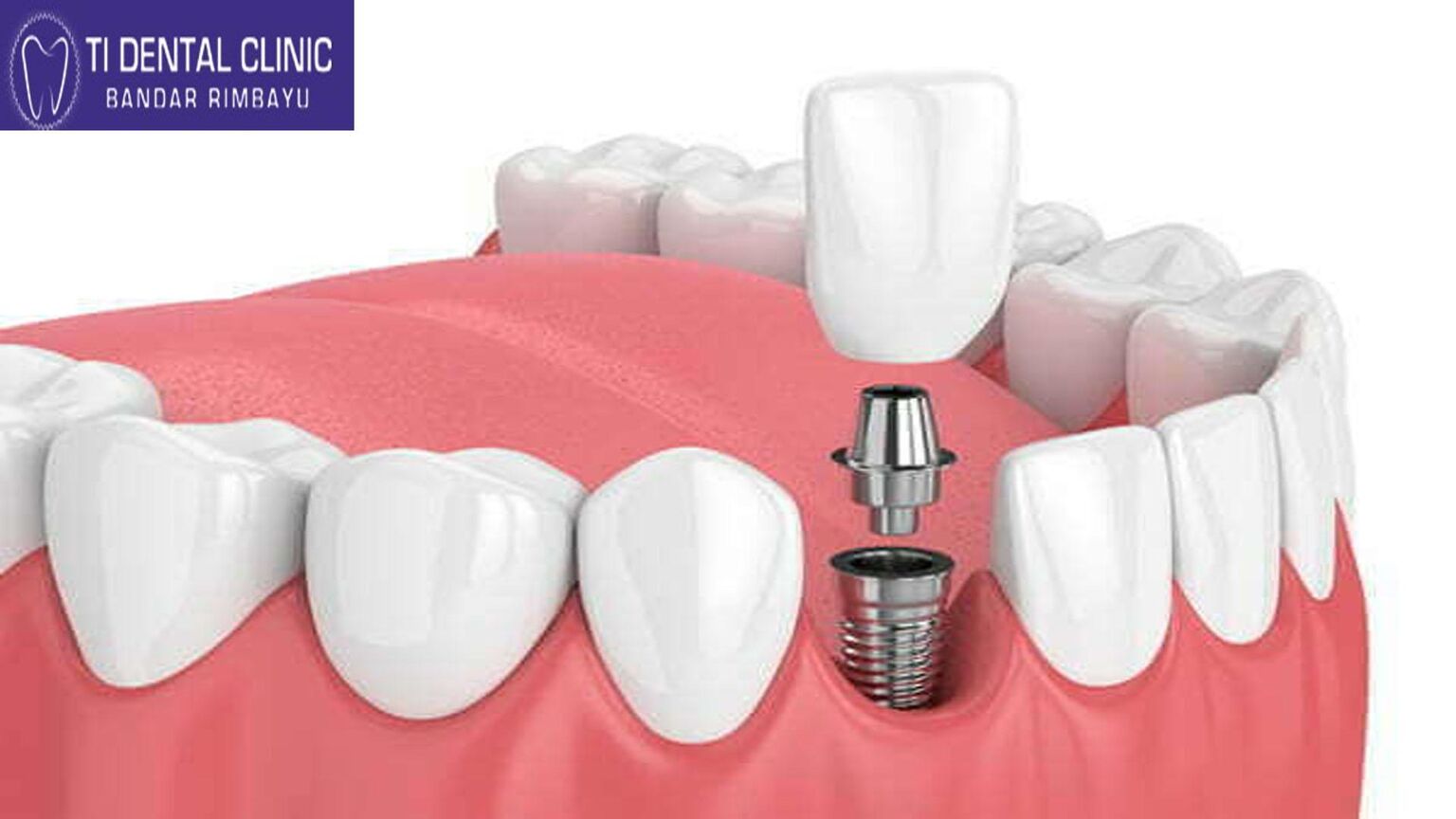
Why Implant Survival Alone Is Not Enough
Traditionally, many implant studies focus primarily on survival rates, which simply indicate whether the implant is still present in the patient’s mouth. However, survival does not always reflect the true health or functionality of the implant. Dental Implants Cost
For example, an implant may still be physically present despite:
- Persistent pain
- Bone loss around the implant
- Mobility
- Inflammation or infection
- Functional discomfort
In such cases, the implant may technically survive but cannot be considered clinically successful.
To overcome this limitation, the ICOI Pisa Consensus introduced a four-tier implant classification system that distinguishes between successful implants, satisfactory survival, compromised survival, and failure.
Implant Success Criteria
According to the ICOI consensus, implant success represents the ideal clinical outcome. A successful implant should meet the following criteria:
- No pain during chewing or palpation
- No clinical mobility
- Less than 2 mm of crestal bone loss from the time of implant placement
- No signs of infection or exudate
The duration of implant function is also considered important:
- Early success: 1–3 years of function
- Intermediate success: 3–7 years
- Long-term success: More than 7 years
Ultimately, implant success depends not only on survival but also on long-term stability, patient comfort, healthy surrounding tissues, and functional performance.
Key Clinical Indicators for Implant Evaluation
Pain and Sensitivity
Pain during chewing or tenderness on palpation may indicate complications such as inflammation, poor implant fit, tissue irritation, or nerve involvement. Braces price selangor
A successful implant should function comfortably without persistent discomfort.
Mobility
A healthy dental implant should remain completely stable under functional forces. Clinical mobility generally indicates a loss of osseointegration and is considered a major sign of implant failure.
Implants demonstrating mobility under approximately 500 g of applied force are usually regarded as unsuccessful.
Radiographic Bone Loss
Marginal bone loss remains one of the most important indicators of implant health. The ICOI consensus recommends measuring bone loss from the original implant placement rather than comparing it only with previous follow-up radiographs.
Bone loss classifications include:
- Less than 2 mm: Implant success
- 2–4 mm: Satisfactory survival
- More than 4 mm but less than 50% of implant length: Compromised survival
- 50% or greater bone loss: Implant failure
Probing Depths
Routine probing around implants is not always necessary unless symptoms are present. However, deeper peri-implant pockets associated with inflammation may indicate disease progression.
Warning signs include:
- Pocket depths greater than 5–6 mm
- Bleeding on probing
- Suppuration or exudate
- Soft tissue inflammation
Understanding Peri-Implant Disease
Peri-implantitis is an inflammatory condition involving progressive bone loss around a functioning dental implant. It may develop due to bacterial infection, biomechanical overload, or poor oral hygiene.
As bone loss progresses and oxygen levels decrease around the implant, anaerobic bacteria may thrive and accelerate tissue destruction.
Common signs of active peri-implant disease include:
- Persistent exudate or pus discharge
- Bone loss exceeding 4 mm
- Probing depths greater than 7 mm
- Bleeding during probing
- Soft tissue inflammation
The ICOI Implant Health Scale
The ICOI Pisa Consensus introduced a four-tier health scale for evaluating implant conditions more accurately.
Group I – Implant Success (Optimal Health)
Characteristics include:
- No pain or tenderness
- No mobility
- Bone loss of 2 mm or less
- No exudate or infection
Prognosis: Excellent
Group II – Satisfactory Survival
Characteristics include:
- No symptoms or discomfort
- No mobility
- Bone loss between 2–4 mm
- No exudate
Prognosis: Good to very good
Group III – Compromised Survival
Characteristics include:
- No mobility
- Bone loss greater than 4 mm
- Increased probing depths
- Possible bleeding or exudate
- Bone loss affecting less than 50% of implant length
Prognosis: Guarded
Group IV – Implant Failure
Characteristics include:
- Pain or discomfort
- Clinical mobility
- Bone loss greater than 50% of implant length
- Persistent infection or exudate
- Implant removal or inability to restore function Invisible braces dentist

 English
 Arabic
 French
 Spanish
 Portuguese
 Deutsch
 Dutch
Dutch
 Italiano
 Russian
 Romaian
 Portuguese (Brazil)
 Greek
Greek
 Hrvatski
 Cehoslowakia