What Are the Most Common Signs of Hail Damage Roof Repair
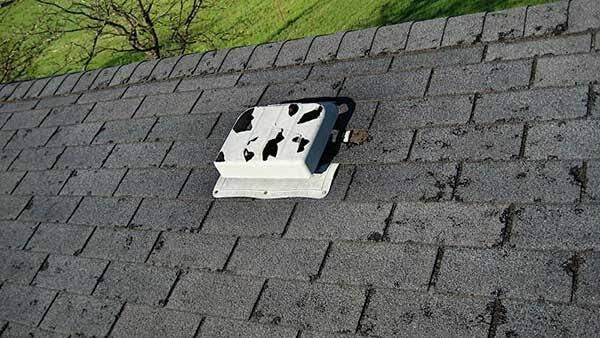
Hail damage can affect a roof in ways that are not always easy to notice from the ground. For homeowners in Eagle, ID, understanding the common signs of roof damage can help identify problems before they become more serious. Hail can affect shingles, flashing, gutters, vents, and other roofing components. Some damage may appear as visible dents or cracks, while other problems may only become clear during a professional roof inspection. Learning what to look for can help you understand when hail damage roof repair may be necessary. A careful inspection can also determine whether the damage requires a simple roof repair or more extensive work.
Signs of Damage on Roofing Shingles
Roofing shingles often show some of the clearest signs of hail impact. Look for round dents, cracks, missing granules, exposed areas, or shingles that appear loose or damaged. These problems can affect the protective surface of the roof and may reduce its ability to keep water away from the roof deck. Damage can occur across different sections of a roof, so checking only one visible section may not provide a complete picture.
Shingle Granule Loss
Granules cover the surface of asphalt shingles and help protect them from damage. When hail strikes a shingle, granules can become loose and fall away. You may notice exposed patches on shingles or granules collecting in gutters and downspouts. While a small amount of granule loss can occur naturally, concentrated loss in specific spots may indicate impact damage. A roofing contractor can inspect the shingles closely and determine whether repair or replacement is appropriate.
Tip, Do not walk across damaged shingles to inspect them closely. Walking on weakened roofing materials can cause additional damage and may create a safety risk.
Damage Around Roof Components
Hail damage is not always limited to shingles. Roofing components such as flashing, vents, skylights, gutters, and chimney coverings can also be affected. These areas can be especially important because damage around them may create openings where water can enter the roofing system. A roof inspection should include these components rather than focusing only on the main shingle surface.
Damage to Flashing and Vents
Flashing protects vulnerable areas where different sections of the roof meet or where roofing materials connect with walls and other structures. Dents, bends, cracks, or loose sections may indicate impact damage. Roof vents can also develop dents or cracks that affect their condition. Inspecting these components helps identify problems that may not be visible during a quick visual check from ground level.
Gutter and Downspout Damage
Gutters and downspouts can provide additional clues when inspecting a roof for hail damage. Dents, chips, cracks, or damaged edges may indicate that the surrounding roofing system should also be examined. Granules from asphalt shingles may collect inside gutters after impact. Checking these components can help a contractor understand the location and possible extent of roof damage.
Interior Signs of Roof Problems
Some roofing problems become noticeable inside the home rather than on the roof itself. Water stains on ceilings, damp spots around upper walls, peeling paint, or damaged attic insulation can indicate that the roofing system has been compromised. These signs do not automatically confirm hail damage, but they should not be ignored. An inspection can help identify where moisture is entering and whether the roof requires repair.
Water Stains and Moisture
A ceiling stain may indicate that water has passed through a damaged portion of the roofing system. Even when the stain appears small, the underlying problem may involve damaged shingles, flashing, underlayment, or roof decking. Moisture can also affect insulation and wood components if the problem continues. Addressing the source of the leak is more important than simply covering the visible stain inside the home.
Tip, If you notice an interior water stain, document its location and condition before any repair work begins. This information can help the roofing professional compare interior symptoms with exterior findings.
When Professional Roof Repair May Be Needed
Not every sign of roof damage means the entire roof needs replacement. The appropriate solution depends on the type, location, and extent of the damage. A professional roofing contractor can inspect the affected areas and explain whether individual shingles, flashing, vents, gutters, or other components can be repaired. If damage is widespread or the roofing system has significant underlying problems, replacement may be considered instead.
Roof Repair or Roof Replacement
Minor damage may sometimes be addressed through targeted roof repairs. This can involve replacing damaged shingles, repairing flashing, securing loose materials, or addressing damaged roof components. More extensive damage may require a broader solution. A professional inspection helps distinguish between isolated problems and damage that affects a larger portion of the roofing system. Understanding this difference can help homeowners avoid unnecessary work while making sure important damage is not overlooked.
Questions to Ask a Roofing Contractor
Before approving repair work, homeowners can ask a few simple questions.
What type of damage did you find.
Which roofing components need attention.
Can the damaged sections be repaired.
Does the roof decking appear affected.
Will any materials need to be replaced.
How will the completed repair be inspected.
Clear answers can help you understand the proposed work and make the repair process easier to manage.
Frequently Asked Questions
What does hail damage look like on shingles.
Hail damage can appear as dents, cracks, exposed areas, or unusual granule loss on asphalt shingles.
Can hail damage cause a roof leak.
Yes, damaged shingles, flashing, vents, or other roofing components can create openings that allow water to enter.
Does every damaged shingle need replacement.
Not always. The appropriate repair depends on the type and extent of the damage and the condition of the surrounding roofing materials.
Can hail damage affect gutters.
Yes, hail can dent, crack, or damage gutters and downspouts along with other exterior roofing components.
Should I get a professional roof inspection.
A professional inspection can help identify visible and less obvious damage and determine the appropriate repair approach.
How long does hail damage roof repair take.
The repair time depends on the amount of damage, the roofing materials involved, the size of the affected sections, and the work required.

 English
 Arabic
 French
 Spanish
 Portuguese
 Deutsch
 Turkish
 Dutch
Dutch
 Russian
 Romaian
 Portuguese (Brazil)
 Greek
Greek
 Hrvatski
 Cehoslowakia