


How Sprinkler Maintenance Helps Prevent Costly Emergencies
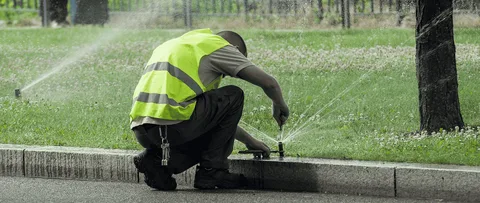
No building owner wants to deal with a fire protection emergency. Emergency situations are stressful, disruptive, and financially damaging. They interrupt operations, expose owners to liability, and endanger occupants. Most fire system emergencies share a common origin. They begin as small, undetected problems that grew over time without maintenance.
Sprinkler system maintenance is fundamentally about prevention. It identifies problems when they are still minor and manageable. It fixes small issues before they become catastrophic failures. A well-maintained system almost never fails at the worst possible moment. Understanding how maintenance prevents specific emergencies helps illustrate its true value.
The Types of Emergencies Maintenance Prevents
There are several categories of emergencies that proper maintenance prevents. Accidental water discharge from a damaged head causes significant water damage. A failed valve that cannot be closed during an emergency flood creates chaos. A system that fails to activate in a fire causes catastrophic loss. Each of these scenarios has a maintenance solution that prevents it.
Accidental discharge is more common than most building owners realize. Physical damage to heads is a leading cause of unintended activation. Heads positioned near doors, vents, or high-traffic areas are especially vulnerable. Regular inspections identify heads at risk and replace them proactively. This one maintenance action prevents water damage events worth thousands of dollars.
Corrosion-Related Failures and How Inspection Stops Them
Internal corrosion is a silent system killer in older buildings. Steel pipes corrode from the inside without any external indication. Corrosion creates pinhole leaks that go undetected for extended periods. As leaks worsen, pressure drops throughout the system. By the time the problem is discovered, multiple pipe sections may require replacement.
Annual inspection and testing programs detect pressure anomalies early. Drops in system pressure indicate developing leaks or valve issues. Technicians use pressure gauges and flow tests to pinpoint problem areas. Early identification means a simple patch or section replacement rather than full pipe runs. This difference in repair scope is also a significant difference in repair cost.
How Valve Maintenance Prevents Operational Emergencies
Control valves are the most critical components in any sprinkler system. They regulate water flow to every zone in the building. A valve that is stuck closed prevents water from reaching a fire zone. A valve that cannot be closed after activation causes uncontrolled flooding. Both scenarios create emergencies that maintenance easily prevents.
Valve maintenance includes regular exercise to ensure free movement. Valves that are never operated tend to seize in place over time. Annual operational testing confirms that every valve opens and closes correctly. Supervisory switches on valves monitor their status and alert staff to problems. This continuous supervision means a closed valve is detected immediately.
Backflow Preventer Maintenance and Its Importance
Backflow preventers protect potable water supplies from contamination. They are a critical component of every fire protection system connection. Over time, their internal seats, springs, and seals wear and degrade. A failed backflow preventer risks contaminating the building's drinking water supply. Regular testing and maintenance prevent this significant public health risk.
Annual backflow testing is required by code in most jurisdictions. Testing confirms that the device prevents reverse water flow correctly. Failed tests require immediate repair or replacement of the preventer. Documentation of annual tests satisfies code compliance requirements. This simple annual task prevents a potentially serious public health emergency.
Alarm System Maintenance and Emergency Notification
Fire alarm systems connected to sprinklers must function reliably. When a sprinkler activates, the alarm system must notify occupants immediately. It must also transmit signals to the fire department automatically. A malfunctioning alarm connection during a fire creates a catastrophic delay. Occupants may not know to evacuate until the fire is much larger.
Alarm connection testing is a standard component of sprinkler maintenance. Technicians verify that flow switches trigger alarms correctly. They confirm that monitoring stations receive signals within required time frames. They also test notification devices including horns, strobes, and PA integration. All of these functions must work flawlessly together for the system to protect lives.
Waterflow Testing to Verify Emergency Performance
Waterflow testing is one of the most revealing maintenance activities available. It confirms that adequate water will reach the system during an emergency. The test flows water at the rate required to control a design-level fire. Results are compared to the system's original hydraulic design specifications. Any shortfall in flow or pressure indicates a problem requiring investigation.
Common causes of flow deficiencies include corroded pipe, partially closed valves, and undersized supply connections. Each of these problems develops gradually and invisibly without testing. A system that passes waterflow testing is demonstrably capable of controlling fire. A system that has never been tested provides no such assurance. Testing is the only way to confirm emergency readiness with certainty.
The Financial Cost of Emergency Repairs Versus Maintenance
Emergency repairs are almost always far more expensive than planned maintenance. Emergency service calls command premium pricing for labor and after-hours availability. Required parts may not be locally available, creating expensive expediting costs. Business interruption during emergency repairs adds to the total financial impact. These costs are in addition to any property damage caused by the system failure.
Planned maintenance avoids all of these cost premiums entirely. Scheduled service is performed during normal business hours at standard rates. Required parts are ordered in advance and available at standard pricing. Work is planned and performed efficiently with minimal operational disruption. The financial advantage of planned maintenance over emergency repair is consistently enormous.
Insurance Implications of Emergency Failures
Insurance companies investigate fire-related losses thoroughly. They examine maintenance records as part of every significant claim investigation. Poor maintenance records give insurers grounds to reduce or deny claim payments. Building owners who cannot demonstrate regular maintenance often face coverage disputes. These disputes occur at the worst possible moment during an already difficult situation.
Documented maintenance records protect building owners during claims processes. They demonstrate reasonable care and compliance with policy requirements. They also demonstrate compliance with applicable fire codes and standards. Both factors significantly influence how insurers handle claim payments. Good records are a form of financial protection that supplements the policy itself.
Preventing Freeze-Related Emergencies in Cold Climates
Cold climate buildings face specific fire system emergency risks. Water in pipes exposed to cold temperatures freezes and creates leaks. Frozen sprinkler pipes require emergency repair that is both urgent and expensive. In some cases, frozen pipes prevent the system from operating during a fire. This double emergency is both preventable and entirely unacceptable.
Wet pipe systems in cold spaces must be converted to dry or pre-action configurations. Existing dry systems must be maintained to prevent moisture accumulation inside. Freeze protection measures for backflow preventers must be verified annually. These cold-climate specific maintenance tasks prevent freeze emergencies reliably. They are essential additions to the maintenance program in northern climates.
The Critical Role of Professional System Knowledge
Emergency prevention requires deep knowledge of your specific system. Different system types have different failure modes and maintenance needs. Wet pipe systems, dry pipe systems, and pre-action systems all differ significantly. Each requires system-specific knowledge to inspect and maintain correctly. Generalist maintenance providers may miss issues that system specialists would catch.
Professionals with deep knowledge of fire sprinkler system maintenance prevent emergencies through expertise and thoroughness. They know the specific failure patterns of each system type. They inspect precisely where problems are most likely to develop. Their service goes well beyond checking obvious visual indicators. This depth of expertise is what separates good maintenance from truly effective prevention.
Building a Maintenance Program That Truly Prevents Emergencies
An effective emergency prevention program starts with a thorough baseline inspection. The initial inspection documents every component's current condition precisely. It identifies existing deficiencies that need immediate corrective action. It also establishes a benchmark for tracking system condition over time. This baseline is the foundation of every future maintenance decision.
From the baseline, a customized maintenance schedule is developed. The schedule accounts for system age, type, environment, and regulatory requirements. It specifies which activities occur monthly, quarterly, annually, and every five years. Following this schedule consistently ensures that no maintenance window is missed. Consistent execution is what transforms a maintenance plan into genuine emergency prevention.
Conclusion
Sprinkler system maintenance is the most reliable tool available for preventing costly fire protection emergencies. It catches small problems before they become catastrophic failures. It verifies system performance so emergencies never reveal surprises. It protects building owners financially and legally when incidents occur. Committing to consistent, professional maintenance is the single most impactful fire safety decision any building owner can make.

 English
 Arabic
 French
 Spanish
 Portuguese
 Deutsch
 Turkish
 Italiano
 Russian
 Romaian
 Portuguese (Brazil)
 Greek
Greek
 Hrvatski
 Cehoslowakia