


How ADHD Testing Helps Improve Productivity and Routine
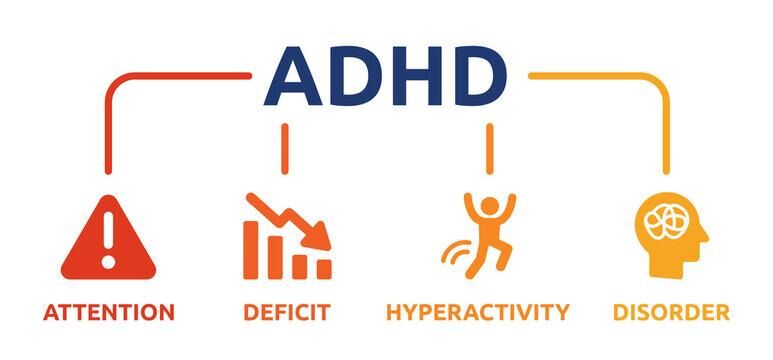
Many adults live with ADHD without ever knowing the cause. Daily life feels harder than it looks for those around them. Simple tasks drain enormous amounts of energy and focus. Keeping a consistent routine feels like climbing a mountain every day. Productivity suffers despite genuine effort and strong personal intentions. The problem is not willpower or character. The problem is often an undiagnosed neurological condition deserving proper attention. ADHD testing offers the answers and direction adults have long been searching for.
What ADHD Really Looks Like in Adulthood
Many people believe ADHD only affects children who cannot sit still. This is a harmful and outdated misconception about the condition. ADHD persists into adulthood for most people who have it. Adult symptoms often look very different from those seen in children. Adults may struggle with chronic disorganization, forgotten tasks, or poor time management. They often feel restless internally even when they appear calm externally. Emotional sensitivity and difficulty managing frustration are also very common symptoms. These challenges affect every major area of adult life significantly.
The Invisible Struggles of Undiagnosed Adults
Adults with undiagnosed ADHD often carry tremendous shame and self-doubt. They blame themselves for struggling with things others find simple. Years of missed deadlines and broken commitments take a heavy emotional toll. Many develop anxiety or depression as secondary conditions over time. Some turn to substances to manage overwhelming symptoms without realizing it. These challenges remain poorly understood without a proper clinical evaluation. A diagnosis shifts the narrative from personal failure to neurological difference. That shift alone can be profoundly healing and transformative.
The Direct Link Between ADHD and Productivity
Productivity is not simply about effort or time management techniques. It depends heavily on how the brain regulates attention and impulse control. ADHD disrupts these regulatory processes at a fundamental neurological level. Adults may start tasks with enthusiasm but struggle to actually finish them. Hyperfocus on interesting tasks coexists with an inability to tackle boring ones. Important projects sit untouched while minor distractions consume entire hours. This is not laziness or indifference. This is a documented pattern that testing can identify and explain clearly.
Understanding Attention Dysregulation in the Workplace
Many adults with ADHD are intelligent, creative, and highly capable people. Their potential is often unrealized due to persistent attention challenges. Work environments demand sustained concentration and consistent follow-through from employees. Adults with ADHD may perform inconsistently despite genuinely wanting to do well. They may excel in fast-paced roles but struggle in structured environments. Understanding these patterns through professional assessment allows for better career planning. Appropriate workplace accommodations become available once a diagnosis is confirmed. This documentation can meaningfully change the workplace experience for many adults.
How Testing Reveals the Root Cause of Routine Problems
Routine is the backbone of a productive and functional adult life. ADHD makes building and maintaining routine extremely difficult for most adults. Morning routines collapse under the weight of distractibility and poor planning. Evenings dissolve without structure, leading to poor sleep and ongoing fatigue. Important habits like exercise and self-care fall away surprisingly quickly. Testing examines the cognitive processes that make consistent routine so difficult. It identifies specific deficits in working memory, time perception, and task initiation. These findings form the basis of a highly personalized and effective treatment plan.
Cognitive Testing and Its Role in Accurate Evaluation
Cognitive testing is a core component of any thorough ADHD evaluation. It measures attention span, processing speed, working memory, and flexibility. These tests reveal patterns that are invisible in everyday clinical observations. A person may appear attentive during a brief appointment but struggle for hours. Standardized testing captures a fuller and more accurate picture of daily functioning. Results help clinicians distinguish ADHD from other conditions with similar presentations. This precision ensures that treatment recommendations are genuinely appropriate and effective. Every adult deserves an evaluation grounded in accurate and comprehensive data.
What Happens After an ADHD Assessment
Receiving an ADHD diagnosis is the beginning of a new chapter. It opens doors to treatments and support previously inaccessible without formal evaluation. Medication is one option that many adults find significantly helpful for focus. Stimulant medications improve attention, reduce impulsivity, and support task completion. Non-stimulant options are also available for those who prefer different approaches. Behavioral therapy teaches practical strategies for managing daily symptoms more effectively. Executive function coaching helps adults build systems that genuinely work for them.
Behavioral Strategies That Support Daily Routine
After diagnosis, adults gain access to evidence-based behavioral strategies. These strategies are designed specifically for the ADHD brain's unique needs. Time-blocking helps manage the tendency to completely lose track of time. Digital reminders and visual planners reduce heavy reliance on working memory. Breaking large tasks into smaller steps reduces avoidance and cognitive overwhelm. Regular check-ins with a therapist or coach provide helpful accountability over time. These tools create a foundation for consistent routine and steady productivity improvement.
Getting Assessed in Calgary
Calgary has developed a strong network of ADHD evaluation services for adults. Qualified professionals offer comprehensive assessments in clinical settings across the city. Adults no longer need to travel far to access quality evaluation services. Referrals from family doctors can help expedite access to testing in many cases. Many clinics accept a range of insurance and funding options available. Booking an adult adhd assessment calgary is a practical and important first step. It connects adults with the professional support they genuinely need to thrive.
The Emotional Transformation That Follows Testing
Testing does more than provide a clinical label for symptoms. It validates years of struggle and replaces confusion with genuine understanding. Adults often cry with relief upon hearing their diagnosis confirmed professionally. They finally have a concrete explanation for decades of unexplained difficulty. This emotional clarity becomes the fuel for positive change and growth. Therapy helps adults process grief for years spent struggling without support. Over time, relief transforms into motivation, hope, and renewed personal confidence. Many describe their diagnosis as the best thing that ever happened to them.
Rebuilding Self-Esteem After Years of Struggle
Low self-esteem is one of the most common effects of undiagnosed ADHD. Adults internalize failure and begin believing they are simply not capable enough. A diagnosis reframes these beliefs in a compassionate and accurate light. Adults begin to understand that their brain works differently, not defectively. Therapy reinforces this new understanding and helps dismantle long-held negative beliefs. Achievements, both small and large, are celebrated and recognized more intentionally. Self-compassion grows alongside practical skills and consistent daily improvements. Adults reconnect with their identity and potential in deeply meaningful ways.
Long-Term Benefits of Addressing ADHD Properly
The long-term benefits of ADHD diagnosis and treatment are well-documented. Adults report improved focus, better relationships, and greater career satisfaction over time. Sleep improves as anxiety and mental restlessness decrease with proper treatment. Financial management becomes easier when impulsivity is understood and properly managed. Self-esteem rebuilds as adults begin achieving goals they previously abandoned. Life begins to feel more manageable, meaningful, and consistently fulfilling each day. The investment in a professional assessment pays dividends for years and decades ahead.
Maintaining Progress Through Ongoing Support
Progress with ADHD management requires consistency and ongoing professional support. Regular follow-up appointments help monitor treatment effectiveness and make necessary adjustments. Life transitions like new jobs or relationships require updated strategies and plans. Adults benefit from periodic reassessment to ensure interventions remain appropriate and current. Peer support groups offer community and shared understanding for struggling adults. Online resources and ADHD education can complement clinical treatment very effectively. Long-term success is absolutely achievable with the right professional foundation in place.
Conclusion
ADHD testing is far more than a clinical formality or administrative process. It is a life-changing experience that provides clarity, direction, and real hope. Adults who go untested continue to struggle without understanding why. Those who seek evaluation gain access to transformative tools and meaningful support. Productivity and routine, once elusive, become genuinely attainable daily goals. The journey starts with one courageous decision to seek professional answers. For anyone in Calgary suspecting ADHD may be driving their struggles, a professional assessment is the most important step forward. A clearer and more focused future begins with proper evaluation and care.

 English
 Arabic
 French
 Spanish
 Portuguese
 Deutsch
 Turkish
 Dutch
Dutch
 Russian
 Romaian
 Portuguese (Brazil)
 Greek
Greek
 Hrvatski
 Cehoslowakia