Handheld Laser Rust Remover: A Modern Way to Restore Metal Surfaces
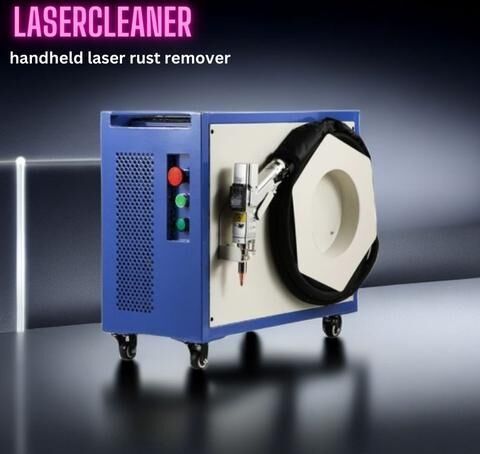
Rust can quickly change the appearance and condition of metal surfaces. From industrial equipment and automotive components to tools, machinery, steel structures, and fabricated parts, corrosion can develop when metal is exposed to moisture, oxygen, chemicals, or harsh working environments. Removing rust regularly helps keep metal surfaces prepared for maintenance, repair, coating, or further processing.
A handheld laser rust remover offers a modern approach to rust cleaning by using concentrated laser energy to remove unwanted oxidation from metal surfaces. Instead of relying on abrasive materials or chemical solutions, laser cleaning technology can target rust directly while allowing the operator to work across different areas and components.
What Is a Handheld Laser Rust Remover?
A handheld laser rust remover is a laser cleaning system designed for removing rust, oxidation, paint residue, dirt, and other unwanted contaminants from suitable surfaces. The system generally consists of a laser source, control unit, cooling system, and handheld cleaning head.
During operation, the laser beam is directed toward the contaminated surface. The rust absorbs the laser energy and is rapidly heated, causing the unwanted layer to detach from the underlying metal. With properly selected operating parameters, the base material can remain comparatively unaffected.
The handheld design makes the equipment suitable for applications where operators need to move around large components, irregular surfaces, machinery, or individual parts.
How Does Laser Rust Removal Work?
Laser rust removal works through a controlled interaction between laser energy and surface contamination. Rust and other contaminants can respond differently to laser energy than the underlying metal. This difference allows the operator to set appropriate parameters for removing the unwanted layer.
As the laser scans across the surface, energy is delivered in a controlled pattern. The contaminated material absorbs the energy and is removed from the working area. Depending on the system and application, the process may involve vaporization, thermal expansion, or rapid detachment of the rust layer.
The operator can adjust settings such as laser power, scanning speed, frequency, and cleaning pattern according to the material and contamination.
Where Can a Handheld Laser Rust Remover Be Used?
Rust develops on many types of metal equipment, making laser cleaning useful across a wide range of industries. Workshops can use handheld laser systems for preparing metal parts before repair or further processing.
Automotive businesses may use laser cleaning for components, tools, molds, and selected restoration work. Manufacturing facilities can incorporate laser rust removal into maintenance procedures for machinery and fabricated metal parts.
It can also be used for cleaning steel structures, industrial equipment, mechanical components, pipes, molds, and metal surfaces that have accumulated oxidation over time.
For restoration work, operators can use carefully controlled laser parameters to clean selected metal areas without treating the entire component unnecessarily.
Rust Removal for Industrial Machinery
Industrial machinery can accumulate rust when stored for extended periods or operated in humid environments. Corrosion can appear on machine frames, mechanical parts, fixtures, tools, and other exposed metal surfaces.
A handheld laser rust remover allows technicians to move the cleaning head around equipment and focus on affected areas. This can make the process suitable for maintenance workshops where different components require cleaning at different times.
Before cleaning, the operator should inspect the material and determine suitable laser parameters. Proper preparation and testing are important, especially when dealing with sensitive or valuable components.
Preparing Metal Before Welding or Coating
Surface preparation is an important part of welding, painting, and coating processes. Rust, oxidation, and old contamination can interfere with subsequent work if the surface is not properly prepared.
Laser cleaning can be used as a preparation step before selected manufacturing or repair processes. Removing unwanted surface contamination creates a cleaner working area for applications where surface condition matters.
For welding operations, technicians can clean rust and oxidation from appropriate metal areas before beginning the welding process. For painting or coating, surface preparation can help establish a cleaner foundation for the next stage.
The correct cleaning method depends on the material, coating, contamination, and requirements of the application.
Handheld Laser Cleaning for Metal Parts
Metal parts come in many shapes and sizes, and some contain corners, grooves, joints, or irregular sections that require careful handling. A handheld cleaning head can be moved manually across these areas.
The operator can guide the laser over the affected surface and adjust the cleaning path according to the shape of the component. This makes handheld equipment practical for workshops that regularly clean different types of metal parts rather than processing one standardized product.
For repeatable production work, operators can establish suitable settings through testing and then apply the same process to similar components.
Choosing the Right Laser System
Selecting a laser rust removal system requires consideration of the intended application. Different rust conditions and materials may require different laser parameters.
Laser power is one important consideration. Applications involving light surface oxidation may require different settings from heavy corrosion or thick contamination. Cleaning speed, scanning range, laser wavelength, and system configuration can also influence the working process.
The type of metal should also be considered. Steel, stainless steel, aluminum, and other materials can respond differently to laser energy. Testing the system on a small, representative area before full-scale cleaning is an important step.
For businesses, the expected workload, component size, cleaning frequency, and available workspace should also be considered when selecting equipment.
Operating a Handheld Laser Rust Remover
Before operation, the workspace should be prepared according to the equipment manufacturer's safety instructions. Operators should understand the controls and use the required protective equipment.
The surface should be inspected to identify the type and thickness of rust or contamination. Appropriate laser settings can then be selected based on the material and cleaning requirement.
During cleaning, the handheld head is moved across the surface in a controlled manner. The operator should maintain the recommended working distance and follow the manufacturer's instructions.
After cleaning, the surface should be inspected to determine whether additional passes are required. Any remaining contamination can be treated using adjusted parameters when appropriate.
Safety and Workplace Preparation
Laser cleaning equipment must be operated responsibly because industrial laser systems can present significant hazards. Operators should follow the manufacturer's safety procedures and applicable workplace regulations.
A suitable controlled working area may be required depending on the laser classification and equipment design. Appropriate laser safety eyewear, protective measures, ventilation, and warning systems should be considered according to the manufacturer's requirements.
Laser cleaning can also produce particles or fumes from removed coatings, rust, paint, and other contaminants. Proper extraction and ventilation should therefore be used when required.
Training is important for ensuring that operators understand the equipment, material response, operating parameters, and safety procedures.
Maintaining the Cleaning Equipment
Regular equipment maintenance helps keep a laser cleaning system ready for consistent operation. Operators should follow the manufacturer's maintenance schedule and inspect components according to the recommended procedure.
The cleaning head, protective components, cooling system, cables, and other relevant parts should be checked regularly. Any unusual performance or warning condition should be addressed before continuing normal operation.
Keeping the workspace clean and following correct operating procedures can also help support reliable equipment use over time.
Applications in Metal Restoration
Restoration projects often involve metal surfaces that have developed rust after years of exposure. Tools, machinery, fabricated components, automotive parts, and historical metal objects may require controlled cleaning.
A handheld laser rust remover can provide operators with a precise way to work on selected areas. Restoration projects should always begin with material identification and testing because valuable or historically significant objects may require specialized treatment.
Final Thoughts
Rust removal is an important part of metal maintenance, restoration, repair, and preparation. A handheld laser rust remover provides a modern method for addressing surface oxidation and other contaminants with controlled laser energy.

 English
 Arabic
 French
 Spanish
 Deutsch
 Turkish
 Dutch
Dutch
 Italiano
 Russian
 Romaian
 Portuguese (Brazil)
 Greek
Greek
 Hrvatski
 Cehoslowakia