Laser Metal Cleaner: Precision Cleaning for Modern Metal Surfaces
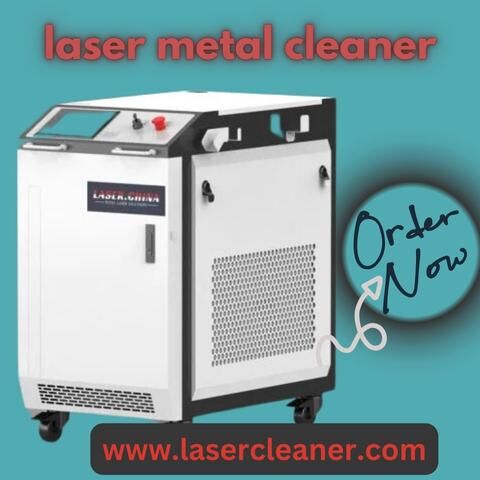
A laser metal cleaner is a modern surface treatment solution designed to remove unwanted contaminants from metal components with precision and controlled laser energy. Industries increasingly use laser cleaning for applications such as rust removal, oxidation removal, paint stripping, grease cleaning, soot removal, and surface preparation before welding or coating. The process is non-contact and can be carefully adjusted according to the material and contaminant being treated.
How a Laser Metal Cleaner Works
A laser metal cleaner directs concentrated laser energy onto the target surface. Contaminants such as rust, oxides, paint, oil, carbon deposits, and other residues absorb the laser energy differently from the underlying metal. With suitable operating parameters, the unwanted layer is loosened, removed, or vaporized while the base material remains carefully preserved. This selective process gives operators excellent control over the cleaning area and cleaning intensity.
Powerful Rust and Oxidation Removal
Rust and oxidation are among the most common reasons businesses choose laser cleaning equipment. A laser metal cleaner can target corrosion layers on steel, stainless steel, aluminum, and other metal surfaces. This makes it valuable for machinery, fabricated components, structural parts, automotive components, tools, and industrial equipment. Laser-based rust removal also provides precise localized cleaning, which is useful when only specific sections of a component require treatment.
Efficient Paint and Coating Removal
Removing old paint and industrial coatings is another important application. A laser metal cleaner can be configured to remove unwanted surface layers from selected metal areas, supporting refurbishment, repainting, restoration, and maintenance operations. Controlled laser treatment allows operators to focus on the coating that needs to be removed while maintaining greater control over the underlying substrate.
Ideal for Surface Preparation
Clean surfaces are essential for many manufacturing processes. Before welding, painting, coating, bonding, or inspection, metal components may require the removal of oils, oxidation, residues, or other contaminants. A laser metal cleaner provides a controlled preparation process that can help create a clean and consistent surface for subsequent operations. Laser cleaning is increasingly used in welding preparation and post-weld treatment across automotive, aerospace, energy, and metal fabrication applications.
Precision That Supports Quality Manufacturing
One of the major benefits of laser cleaning is its precision. Traditional mechanical cleaning can involve direct contact with the workpiece, while laser cleaning uses focused energy without physical abrasion. This makes the technology especially useful for precision components, detailed parts, tooling, molds, weld areas, and high-value metal products where controlled surface treatment is important.
Reduced Dependence on Consumables
A laser metal cleaner can reduce dependence on abrasive media and chemical cleaning agents. Because the cleaning process uses laser energy rather than continuous supplies of blasting media, businesses can simplify material handling and reduce secondary waste associated with consumable-based cleaning processes. This can contribute to a cleaner and more streamlined production environment.
A Cleaner Approach to Industrial Maintenance
Industrial equipment regularly requires maintenance to remove corrosion, residues, coatings, and accumulated contaminants. Laser cleaning equipment can support maintenance teams by providing a flexible method for treating selected areas without requiring extensive mechanical contact. Portable and handheld configurations can also be useful for on-site maintenance where components are large, fixed, or difficult to transport.
Applications Across Multiple Industries
The versatility of a laser metal cleaner makes it suitable for numerous sectors. Metal fabrication companies can use laser cleaning for weld preparation and oxide removal. Automotive businesses can apply it to components, tooling, rust removal, and coating preparation. Aerospace manufacturers can use precision cleaning for specialized components, while shipbuilding and heavy industry can benefit from corrosion and coating removal. Laser cleaning is also used for molds, tools, machinery, structural metal, and maintenance applications.
Mold and Tool Cleaning Benefits
Manufacturing molds and tools can accumulate oils, carbonized residues, release agents, and production deposits. Laser cleaning provides a controlled way to treat these surfaces and can help preserve detailed textures and functional areas. This is particularly valuable for injection molding, rubber manufacturing, die casting, and other production environments where regular tooling maintenance contributes to consistent manufacturing quality.
Flexible Handheld and Industrial Solutions
Different applications require different machine configurations. Handheld laser cleaners can provide flexibility for workshops, repair operations, maintenance teams, and localized cleaning tasks. Higher-powered industrial systems can support larger surfaces and demanding production environments. Depending on the application, laser cleaning technology can also be integrated with automated equipment, robotic systems, or production lines for repeatable processing.
Why Choose LaserCleaner
LaserCleaner focuses on practical laser cleaning solutions for modern metal treatment requirements. A suitable system can help businesses address rust, oxidation, paint, grease, carbon deposits, and other unwanted materials while providing controlled and repeatable cleaning performance. For manufacturers, metal fabricators, maintenance professionals, restoration specialists, and industrial operators, LaserCleaner offers technology designed around efficient surface treatment and flexible operation.
Advantages of Laser Metal Cleaner Technology
The benefits of a laser metal cleaner extend across productivity, precision, flexibility, and surface quality. Its non-contact process supports controlled cleaning, while the ability to adjust laser parameters allows operators to adapt the process to different contaminants and substrates. Reduced reliance on abrasive materials can also simplify cleanup and material management. Consistent laser parameters can further support repeatable results across multiple workpieces.
Improved Productivity and Workflow
Efficient surface preparation can contribute to smoother manufacturing workflows. Laser cleaning can be used before and after welding, during equipment maintenance, before coating, and during refurbishment operations. By bringing a versatile cleaning process into the production or maintenance environment, businesses can integrate surface treatment more conveniently into their existing workflow.
Supporting Sustainable Cleaning Practices
Modern industries increasingly seek cleaning processes that reduce the use of chemicals and disposable abrasive materials. Laser cleaning provides an energy-based alternative that can minimize reliance on chemical solvents and blasting media. The reduction of secondary consumables can support more organized workspaces and more efficient waste management practices.
Final Thoughts
A laser metal cleaner represents a powerful approach to modern metal surface treatment. From rust and oxidation removal to paint stripping, weld preparation, tooling maintenance, and industrial refurbishment, laser cleaning offers precision, flexibility, controlled operation, and broad application potential.
With LaserCleaner, businesses can explore advanced cleaning solutions designed to improve surface preparation, simplify maintenance, support consistent results, and enhance overall workflow efficiency. For industries working with metal components and equipment, laser cleaning technology provides a practical and versatile solution for achieving cleaner, better-prepared surfaces.

 English
 Arabic
 French
 Spanish
 Portuguese
 Turkish
 Dutch
Dutch
 Italiano
 Russian
 Romaian
 Portuguese (Brazil)
 Greek
Greek
 Hrvatski
 Cehoslowakia