


Benefits of Child Physiotherapy for Better Movement Skills
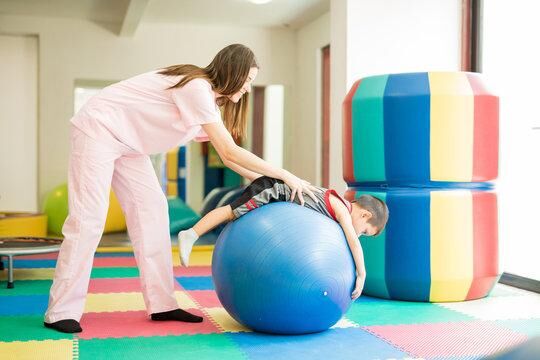
Movement is at the heart of childhood experience. Children learn, socialise, and explore through physical activity. Well-developed movement skills support every aspect of a child's life. When movement is restricted or delayed, the impact is far-reaching. Physiotherapy is one of the most effective ways to improve movement skills in children. It addresses the root causes of movement difficulties systematically. This article explores the many benefits of child physiotherapy for movement skill development.
What Are Movement Skills and Why Do They Matter?
Movement skills are the physical abilities children use every day. They are divided into fundamental and sport-specific categories. Fundamental movement skills include running, jumping, catching, and balancing. These foundational skills must be established before more complex activities. Children who lack fundamental skills struggle in sport and physical education. Academic performance can also be affected by poor movement ability. Research links motor skill competence with confidence and social inclusion. Physiotherapy builds these foundational skills with precision and consistency.
Gross Motor Skills and Their Role in Daily Life
Gross motor skills involve large-scale body movements. Walking, climbing, throwing, and kicking are all gross motor activities. These skills are used constantly during a child's day. Getting dressed requires balance and coordination. Carrying a school bag requires core strength and postural stability. Playing with peers requires speed, agility, and coordination. Children with underdeveloped gross motor skills often feel left behind. Physiotherapy targets these skills through structured, progressive exercise programmes.
Fine Motor Skills and Academic Participation
Fine motor skills involve smaller, more precise hand and finger movements. Writing, drawing, using scissors, and typing all require fine motor ability. These skills are critical for academic participation at every age. Children with fine motor difficulties often avoid writing tasks. This avoidance can widen academic gaps over time. Physiotherapy and occupational therapy address fine motor development collaboratively. Hand strengthening, finger dexterity, and pencil grip are all targeted. Improvements in fine motor skills directly enhance classroom performance and confidence.
How Physiotherapy Improves Fundamental Movement Skills
Physiotherapy improves movement skills through targeted, evidence-based intervention. Therapists first assess the specific movement difficulties present. Strengths and weaknesses are identified through standardised clinical assessment. A personalised programme is then designed to address each deficit. Progress is monitored regularly and programmes are updated accordingly. Every session builds on the previous one with clear clinical purpose. Children who receive consistent physiotherapy demonstrate measurable movement skill improvement.
Running and Gait Improvement
Running is a fundamental gross motor skill children use constantly. Abnormal running patterns reduce efficiency and increase injury risk. Physiotherapists observe running mechanics during initial assessments. Stride length, cadence, arm swing, and foot placement are evaluated. Exercises targeting identified weaknesses are prescribed and practised. Gait retraining cues help children modify specific movement faults. Parents are taught to reinforce correct running patterns during home activities. Children who improve their running mechanics move with greater ease and confidence.
Jumping and Landing Skills
Jumping and landing are complex skills requiring strength, timing, and coordination. Children with poor jumping mechanics often experience knee or ankle discomfort. Physiotherapy assesses and trains jumping and landing technique. Hip, knee, and ankle alignment during landing is carefully addressed. Strengthening the hip abductors and quadriceps supports safer landing mechanics. Plyometric exercises are introduced progressively to build power and coordination. Children who land safely reduce their risk of lower limb injuries significantly. Improved jumping ability supports participation in a wide range of sports.
Throwing and Catching Development
Throwing and catching require upper body strength and eye-hand coordination. Children with underdeveloped upper limb strength struggle with these skills. Physiotherapy addresses the shoulder, rotator cuff, and core muscles involved. Proprioceptive training improves the precision of upper limb movements. Catching exercises are introduced starting with larger, slower objects. Progression continues to smaller and faster objects as skill improves. These improvements directly support participation in cricket, basketball, and handball. Children who develop throwing and catching skills engage more fully in group activities.
Physiotherapy for Children With Developmental Coordination Disorder
Developmental coordination disorder, or DCD, significantly affects movement skills. Children with DCD appear clumsy and struggle with coordinated movements. They commonly have difficulty with sport, writing, and self-care tasks. DCD is more common than many parents and teachers realise. Physiotherapy is the most effective intervention for children with DCD. Neuromotor task training directly targets movement planning deficits. Task-specific practice improves the specific skills children need for daily life. Children with DCD consistently make meaningful progress with dedicated physiotherapy support.
Building Motor Confidence in Children With DCD
Children with DCD often develop low confidence due to physical struggles. They may avoid physical activities to prevent embarrassing themselves. This avoidance further reduces practice opportunities and delays development. Physiotherapy builds motor confidence alongside physical skill. Therapists celebrate every small achievement enthusiastically and consistently. Graded challenges ensure children experience success at every session. Gradually increasing difficulty allows children to push beyond previous limitations. Children who gain motor confidence become more willing to participate and practise.
Balance Training for Better Movement Performance
Balance underpins almost every fundamental movement skill. Without adequate balance, running, jumping, and throwing are all impaired. Physiotherapy dedicates significant attention to balance development in children. Static and dynamic balance are both assessed and targeted in treatment.
Static and Dynamic Balance Exercises
Static balance involves maintaining position without moving. Standing on one foot and tandem standing are simple static balance tasks. Dynamic balance involves maintaining control during movement. Walking on a balance beam and hopping are dynamic balance activities. Physiotherapy progressively challenges both types of balance. Exercises move from simple to complex as the child's ability improves. Balance improvements are among the most rapid and noticeable in physiotherapy. Children often demonstrate remarkable gains within just a few weeks of targeted training.
The Benefit of Early Physiotherapy for Movement Skills
Early physiotherapy prevents movement skill deficits from compounding. A child who struggles with running at age four will struggle at age eight. The gap between peers widens without intervention over time. Early physiotherapy narrows this gap before it becomes socially and academically significant. Young children respond quickly to physiotherapy due to high neuroplasticity. The earlier intervention begins, the less intensive it typically needs to be. Families who act early protect their children from years of difficulty and frustration. A paediatrics physiotherapist can assess and begin treatment quickly after referral. Early support is always the most efficient and effective approach available.
How Home Practice Amplifies Physiotherapy Benefits
Clinic sessions provide expert guidance and targeted exercise. Home practice multiplies the benefits of those sessions significantly. Children who practise movements daily develop skills far faster. Short daily sessions are more effective than infrequent longer ones. Physiotherapists design simple, engaging home programmes for children. Activities are embedded into existing routines like outdoor play and bath time. Parents play a critical role in facilitating and encouraging home practice. Their enthusiasm and encouragement motivate children to practise consistently. The combination of clinic and home work produces the most powerful outcomes.
Long-Term Movement Skill Benefits of Physiotherapy
Improved movement skills in childhood produce lasting benefits. Children who master fundamental movement skills remain physically active longer. Physical activity in childhood strongly predicts physical activity in adulthood. Active adults have lower risks of obesity, cardiovascular disease, and depression. Physically competent children perform better academically and socially. They feel more confident and included in physical and social contexts. Physiotherapy investment in childhood movement skills pays lifelong dividends. The benefits extend far beyond childhood into every stage of life.
Final Thoughts
Child physiotherapy offers profound and lasting benefits for movement skill development. It addresses gross motor, fine motor, balance, and coordination challenges comprehensively. Evidence-based techniques produce measurable and meaningful improvement. Early intervention amplifies every benefit and reduces long-term difficulty. Children who receive physiotherapy support lead more active, confident lives. The investment in movement skills is an investment in the whole child. If your child is struggling physically, don't wait — seek professional physiotherapy support. The benefits will be felt every day for the rest of their lives.

 English
 Arabic
 French
 Spanish
 Portuguese
 Deutsch
 Turkish
 Dutch
Dutch
 Italiano
 Romaian
 Portuguese (Brazil)
 Greek
Greek
 Hrvatski
 Cehoslowakia