


Benefits of Registered Massage Therapy for Pain Relief
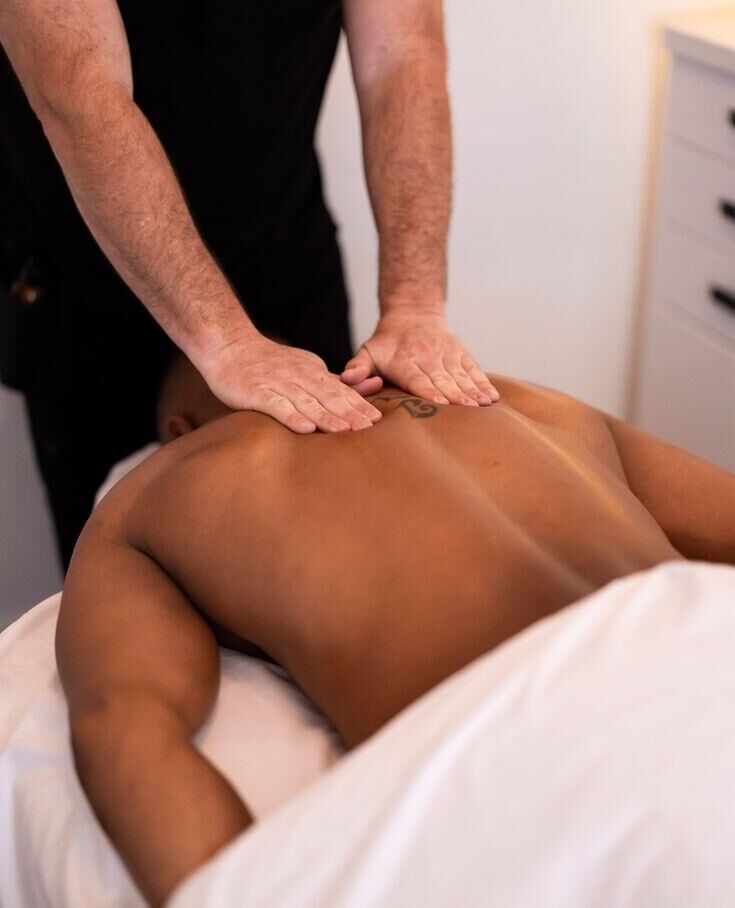
Pain is among the most common and most debilitating health experiences in modern populations. Chronic pain affects roughly one in five adults in developed countries. It disrupts sleep, limits productivity, strains relationships, and diminishes overall quality of life. For many, it becomes a defining feature of daily existence rather than a temporary inconvenience.
Conventional pain management often relies heavily on pharmaceutical intervention. While medications can be effective for acute pain, long-term use carries significant risks. Dependency, gastrointestinal damage, and cardiovascular effects are all documented concerns. People are increasingly motivated to find natural, effective alternatives for managing chronic pain. Massage therapy has emerged as one of the most well-supported options available today.
The Mechanisms Behind Massage-Mediated Pain Relief
Pain relief through massage occurs through several simultaneous and interconnected mechanisms. The most immediate involves the gate control theory of pain. Large-diameter sensory nerve fibers activated by touch compete with pain signals. This competition effectively closes the pain gate at the spinal cord level. The brain receives less pain information, and perceived pain intensity decreases accordingly.
Massage also stimulates the release of endorphins, the body's natural pain-relieving compounds. These neuropeptides bind to opioid receptors throughout the nervous system. They reduce pain perception without the side effects associated with pharmaceutical opioids. The endorphin response is one reason clients often feel significant pain relief during and after sessions.
The Role of Inflammation in Chronic Pain
Inflammation is a central driver of chronic pain in most musculoskeletal conditions. It generates the chemical environment that sensitizes pain receptors and amplifies pain signals. When inflammation becomes chronic, it perpetuates pain long after the original injury or irritation has healed. Reducing inflammation is therefore a primary goal in chronic pain management.
Research demonstrates that massage reduces key inflammatory markers in treated tissues. Pro-inflammatory cytokines decrease following massage, while anti-inflammatory markers increase. This shift in the inflammatory environment creates conditions more conducive to healing. Regular massage sustained over time can meaningfully reduce the chronic inflammatory baseline in affected areas.
Specific Pain Conditions That Respond Well to Massage
Massage therapy has demonstrated effectiveness across a wide range of pain conditions. Lower back pain is arguably the most extensively studied area of application. Multiple systematic reviews confirm that massage produces clinically meaningful pain reduction. Improvements in function and quality of life consistently accompany the pain reduction outcomes.
Fibromyalgia is a challenging chronic pain condition that responds well to regular massage. Patients experience reduced pain intensity, improved sleep, and better daily functioning. Arthritis pain, including both osteoarthritis and rheumatoid arthritis presentations, also benefits from gentle therapeutic massage. Headache disorders, including both tension and cervicogenic types, respond strongly to cervical and upper thoracic treatment.
Post-Surgical and Injury-Related Pain Management
Post-surgical pain is a significant concern for recovering patients. Inflammation at the surgical site, restricted movement, and scar tissue formation all contribute. Massage therapy manages all of these factors concurrently and safely. Gentle techniques appropriate to the healing phase reduce swelling and improve circulation.
Injury-related pain similarly benefits from targeted massage therapy. Sprains, strains, and overuse injuries generate muscular guarding and fascial restriction. These secondary responses often produce more pain than the primary injury itself. Releasing the guarding patterns through massage significantly reduces overall pain experience.
The Difference Between Therapeutic Massage and General Relaxation
Understanding the distinction between therapeutic and relaxation-focused massage is important for pain management. A relaxation massage focuses primarily on calming the nervous system and reducing general stress. It uses lighter pressure and broad techniques across the full body. It is highly valuable for stress management and nervous system regulation.
Therapeutic massage for pain relief involves clinical assessment and targeted intervention. The therapist identifies specific dysfunctional tissues and applies appropriate techniques to address them. Deeper pressure, trigger point therapy, and cross-fiber friction are commonly employed. The intent is functional improvement and measurable pain reduction rather than generalized relaxation. Both approaches provide real value, but pain conditions typically require the therapeutic approach.
How Regular Massage Prevents Pain From Becoming Chronic
Prevention is the most powerful strategy available in pain management. Addressing minor pain early prevents it from becoming entrenched and chronic. Massage therapy identifies and resolves minor restrictions and trigger points before they escalate. Regular sessions keep muscle tissue supple, fascial pathways clear, and nervous system tone balanced.
Many people experience the warning signs of developing chronic pain and ignore them. Minor aches, occasional stiffness, and recurring tension are all early signals worth addressing. A proactive approach to massage care transforms these early signals into opportunities for intervention. Preventing the development of chronic pain saves enormous suffering, time, and healthcare costs.
The Psychological Dimension of Pain and Massage
Pain is never purely physical. Psychological factors profoundly influence how pain is experienced and expressed. Anxiety amplifies pain sensitivity by keeping the nervous system in a heightened alert state. Depression reduces pain tolerance and makes coping significantly more difficult. Fear of pain creates avoidance behaviors that perpetuate dysfunction and worsen outcomes.
Massage therapy addresses these psychological dimensions as powerfully as the physical ones. Cortisol reduction and serotonin elevation improve mood and reduce anxiety directly. The experience of therapeutic touch promotes a sense of safety that calms fear responses. Patients who feel supported and cared for consistently report better pain outcomes and faster recovery.
Why Patients Choose Massage Over Long-Term Medication
The limitations of long-term pharmaceutical pain management are well documented. Nonsteroidal anti-inflammatory drugs cause gastrointestinal and cardiovascular complications with prolonged use. Opioids carry dependency risks and cognitive side effects. Many patients genuinely want alternatives that address the problem rather than mask the symptoms.
Massage therapy offers this alternative without the associated risks. It addresses the structural and neurological causes of pain directly. There are no systemic side effects and no risk of dependency or tolerance development. Patients who commit to regular massage therapy often reduce or eliminate their reliance on pain medications. This outcome benefits both their physical health and their overall quality of life.
What to Look for in a Massage Therapist for Pain Relief
Choosing the right therapist is fundamental to achieving good pain management outcomes. Look for someone with specific training or experience in your particular condition. Ask about their assessment process and how they tailor treatment to individual patients. A thorough intake process is a positive sign of a clinically oriented practice.
Credentials and professional registration are also important considerations. Regulated therapists have completed accredited training and are held to professional standards. Their scope of practice is defined, their techniques are evidence-informed, and their care is subject to oversight. This accountability protects patients and supports better treatment outcomes consistently.
Final Thoughts on Massage Therapy for Pain Relief
Pain does not have to define your daily experience. Massage therapy offers a clinically supported, natural, and effective path to meaningful relief. It addresses the root causes of pain through mechanical, neurological, and hormonal pathways. Regular treatment produces cumulative benefits that transform both pain levels and quality of life.
If you are living with chronic pain, seek professional massage therapy as part of your management plan. Discuss your symptoms openly with a qualified therapist and commit to a structured care schedule. Pain relief is achievable, and massage therapy is one of the most powerful tools to help you get there.

 English
 Arabic
 French
 Spanish
 Portuguese
 Deutsch
 Turkish
 Dutch
Dutch
 Italiano
 Romaian
 Portuguese (Brazil)
 Greek
Greek
 Hrvatski
 Cehoslowakia