


How Reclaimed Land Supports Industrial and Urban Growth
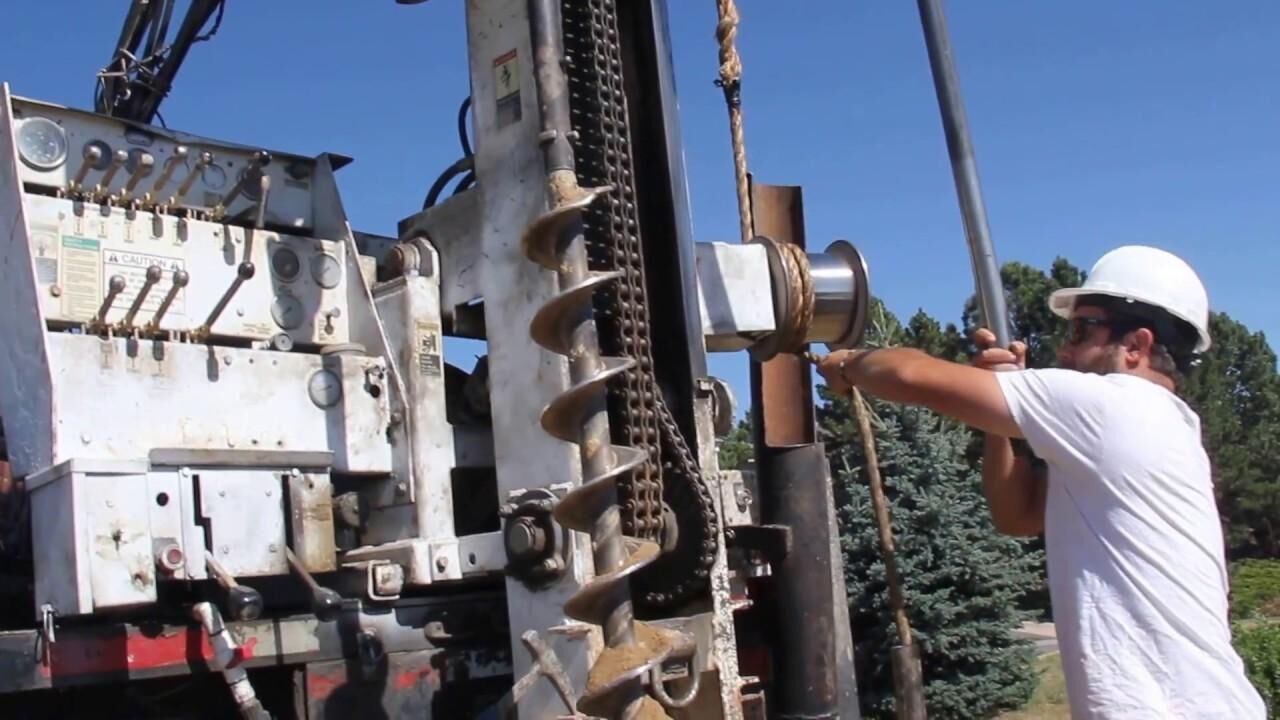
Growing cities and expanding industries face a common challenge. Available land in desirable locations is increasingly scarce and expensive. Reclaimed land offers a strategic solution to this scarcity problem. Converting degraded or contaminated land unlocks valuable development opportunities. This article explores how reclaimed land directly supports both industrial and urban growth.
The Strategic Value of Reclaimed Land for Development
Reclaimed land occupies locations that have significant development advantages. Former industrial sites are often located near existing infrastructure networks. Rail lines, highways, and utilities already serve many brownfield properties. These infrastructure advantages reduce development costs compared to greenfield sites. Location combined with infrastructure access makes reclaimed land highly attractive for redevelopment.
Urban infill development on reclaimed land reduces sprawl and infrastructure costs. Extending services to greenfield suburban sites costs municipalities substantially more. Compact urban development on reclaimed brownfields improves city efficiency. Residents benefit from shorter commutes and better access to services. Reclaimed urban land supports the smart growth principles driving modern city planning.
Historical Industrial Sites as Urban Development Opportunities
Former industrial sites in urban cores represent enormous development potential. Steel mills, rail yards, and manufacturing plants occupied prime urban real estate. Their closure left contaminated and underutilized land in city centers. Reclaiming and redeveloping these sites creates new neighborhoods and employment centers. Urban renewal through brownfield reclamation is reshaping cities globally.
High-profile reclaimed urban development projects demonstrate what is achievable. Former industrial waterfronts have been transformed into vibrant mixed-use districts. Contaminated rail yards became award-winning residential and commercial developments. Decommissioned power station sites now host cultural institutions and housing. These success stories inspire similar reclamation-based urban development projects worldwide.
Industrial Park Development on Reclaimed Land
Industrial parks on reclaimed land support economic development effectively. Many former industrial zones are well-located for continued industrial use. Existing infrastructure including power, water, and transportation serves new industrial tenants. Reclaiming and servicing these sites creates ready-to-occupy industrial land. Municipalities attract new industries and jobs by preparing reclaimed industrial land.
Light manufacturing facilities thrive on reclaimed industrial brownfields. Warehouse and logistics operations value the transportation access these sites provide. Technology and innovation centers are increasingly sited on reclaimed industrial land. Mixed industrial uses create economic diversity that supports community resilience. Reclaimed industrial land generates tax revenue and employment that benefits entire communities.
Port and Waterfront Industrial Reclamation
Ports and waterfront industrial areas present unique reclamation and redevelopment opportunities. Contaminated waterfront soils often contain legacy industrial pollutants requiring careful remediation. Marine sediment contamination complicates waterfront reclamation in many port cities. Successful reclamation unlocks prime waterfront land for high-value industrial or mixed uses. Port modernization projects worldwide rely on reclamation to expand operational capacity.
Land reclamation from water bodies has expanded port capacity in many countries. Reclaimed port lands in Singapore, Dubai, and Rotterdam support global trade. New industrial facilities on reclaimed port land serve expanding shipping volumes. Maritime industrial zones on reclaimed land generate enormous economic output. Waterfront reclamation is a proven strategy for industrial and economic expansion.
Supporting Urban Housing Through Brownfield Reclamation
Housing shortages in major cities are reaching crisis proportions globally. Brownfield reclamation provides land for new housing in established urban locations. Residential development on reclaimed land avoids consuming agricultural land. Urban housing on reclaimed brownfields reduces commuting distances for residents. Addressing housing shortages through reclamation delivers environmental and social benefits simultaneously.
Affordable housing projects on reclaimed land serve community needs effectively. Government agencies sometimes subsidize brownfield remediation for affordable housing development. Public investment in reclamation creates affordable housing at desirable urban locations. Mixed-income housing on reclaimed land supports community diversity and integration. Brownfield housing development is a socially progressive urban development strategy.
Green Space and Parkland from Reclaimed Industrial Land
Not all reclaimed land is suitable or needed for built development. Severely contaminated or unstable sites may be better suited for green space. Urban parks on reclaimed industrial land improve quality of life significantly. Green corridors connecting park spaces provide ecological habitat and recreational value. Capping contaminated sites with parks isolates contamination while creating community amenity.
Brownfield parks provide urban residents with access to nature and recreation. Studies consistently show that urban green space improves mental and physical health. Reclaimed parkland increases property values in surrounding neighborhoods. Community gardens on reclaimed land produce food while building social connections. Creative green space development on reclaimed land transforms liabilities into community assets.
The Role of Reclamation in Industrial Transition Zones
Industrial transition zones are areas shifting from heavy to lighter industrial uses. These zones often contain legacy contamination from former heavy industries. Land reclamation in transition zones prepares sites for new economy industrial tenants. Technology companies, biotech firms, and creative industries prefer restored and attractive environments. Reclamation enables industrial zones to attract the businesses that drive modern economies.
Transit-oriented development increasingly incorporates reclaimed industrial land. Areas around transit stations with former industrial uses are prime reclamation candidates. High-density mixed-use development on reclaimed transit station sites is very efficient. Thousands of residents and workers access transit without private vehicle dependency. Reclamation enables transit-oriented development that reduces traffic and environmental impacts.
Economic Returns from Industrial and Urban Reclamation Investment
The economic returns from reclamation investment are substantial and well-documented. Property values on reclaimed and developed brownfield land increase dramatically. Surrounding property values also rise as neighborhood quality improves. Tax assessment revenues increase as reclaimed land enters productive use. Municipal governments see strong financial returns from brownfield reclamation investment.
Private developers achieve strong financial performance on well-executed reclamation projects. Remediated and serviced brownfield land often sells at competitive prices. Development cost savings from existing infrastructure more than offset remediation expenses. First-mover advantages in reclaimed urban districts generate above-average returns. The financial case for reclamation-based development is increasingly well-understood.
Employment and Economic Activity Generated
Development on reclaimed land creates substantial direct and indirect employment. Construction activity during reclamation and development generates thousands of jobs. Permanent employment in completed facilities provides long-term economic benefit. Multiplier effects from employee spending support local retail and service businesses. Economic modeling consistently shows high returns on public reclamation investment.
Industrial facilities on reclaimed land generate export revenues and supply chain activity. Manufacturing plants create industrial employment that supports middle-class wage growth. Logistics and distribution centers on reclaimed land connect supply chains efficiently. The economic productivity unleashed by reclamation extends far beyond the site boundary. Reclaimed land is genuinely an engine of industrial and urban economic growth.
Overcoming Barriers to Reclaimed Land Development
Despite compelling advantages, barriers to reclamation-based development persist. Uncertainty about contamination extent and remediation cost creates developer hesitation. Regulatory approval timelines for brownfield development can extend project schedules. Liability concerns about residual contamination deter some private sector investors. Addressing these barriers requires collaborative action from government and industry.
Government brownfield programs provide financial and regulatory incentives for reclamation. Tax increment financing uses future tax revenue increases to fund upfront reclamation costs. Liability protection programs offer developers certainty about post-remediation regulatory obligations. Environmental insurance products manage residual liability risk for developers and lenders. These tools together create the conditions for private sector reclamation investment.
The Future of Urban and Industrial Growth Through Reclamation
Reclamation-based development will play an increasingly important role in urban growth. Climate change commitments require more compact and efficient urban development patterns. Reclaiming brownfield land within existing urban areas supports these sustainability goals. Industrial growth strategies increasingly prioritize reclaimed brownfield sites over greenfield development. The convergence of environmental, economic, and social benefits makes reclamation central to future growth.
Technology advances are making reclamation faster and more cost-effective every year. Improved remediation methods reduce cleanup times and costs substantially. Better site investigation tools characterize contamination more accurately and affordably. Digital planning tools optimize reclamation and redevelopment design efficiently. The future of industrial and urban growth is increasingly built on reclaimed foundations.

 English
 Arabic
 French
 Spanish
 Portuguese
 Deutsch
 Turkish
 Dutch
Dutch
 Italiano
 Russian
 Portuguese (Brazil)
 Greek
Greek
 Hrvatski
 Cehoslowakia