Moving to Colorado is often seen as a fresh start. A person imagines mountain views, clean air, growing job markets, and an active outdoor lifestyle that feels almost cinematic.
But behind that excitement is something very practical that decides how smooth or stressful the move will be: budgeting.
Relocation is not only about packing boxes and hiring a truck. It is about preparing financially for a completely new cost structure. This is where planning becomes more important than excitement. Without it, even a well-planned move can turn into financial pressure very quickly.
Understanding Why Budgeting Comes First in a Colorado Move
Before a person even chooses a city in Colorado, they need to understand how financial life changes after relocation. Colorado is not just another state; it is one of the fastest-growing and most competitive housing markets in the United States.
Over the last decade, cities like Denver, Boulder, and Fort Collins have seen steady population growth. According to data from the U.S. Census Bureau, Colorado has consistently ranked among states with high inbound migration. More people moving in means more demand for housing, transportation, and services.
This demand directly affects monthly expenses. A person who used to pay $1,200 rent in another state may suddenly see $1,900 or more for a similar apartment in Denver.
Budgeting here is not optional. It becomes the foundation of a stable transition.
The Real Meaning of Financial Preparedness
When someone prepares financially for Colorado, they are not just saving money for a move. They are preparing for a lifestyle shift that includes:
- Higher housing costs in urban areas
- Increased transportation expenses in suburban zones
- Seasonal utility fluctuations
- Higher grocery prices in certain regions
- Lifestyle-related spending on outdoor activities
All of these factors combine into a new monthly reality.
A person who understands this early avoids financial shock later.
Breaking Down the True Cost of Living in Colorado
Living costs in Colorado vary widely depending on location. A city like Boulder is significantly more expensive than Pueblo, while Denver sits somewhere in the middle with higher urban pricing.
A general look at average expenses shows how important planning becomes:
- Rent for a one-bedroom apartment: $1,500–$2,300
- Monthly groceries: $350–$600 per person
- Utilities: $150–$300 depending on season
- Transportation: $300–$700 depending on car usage
- Health insurance: $300–$600 monthly for individuals
This is where understanding Colorado lifestyle and living costs becomes essential for anyone planning a move. It is not just about rent; it is about how every part of daily life becomes slightly more expensive in high-demand cities.
A person should compare their current monthly budget with these expected ranges before deciding to relocate.
Housing Costs That Shape the Entire Budget
Housing is the biggest financial factor in Colorado. According to Zillow, home values in many Colorado cities remain above the national average, especially in urban regions.
For renters, the situation is similar. Demand is high, and available units often receive multiple applications within days.
Key housing realities include:
- High security deposits (often equal to one month’s rent)
- Application fees ranging from $30–$75 per applicant
- Higher rent in areas close to downtown Denver
- Competitive rental markets in Boulder and Fort Collins
A person planning to move should aim to keep rent within 30% of monthly income to avoid financial strain.
Transportation and Commuting Costs
Transportation is another major expense that changes significantly after moving to Colorado. While Denver has public transit through RTD, many surrounding areas still require personal vehicles.
Common transportation costs include:
- Fuel expenses affected by long commutes
- Car insurance premiums
- Seasonal tire changes for winter driving
- Parking fees in urban areas
- Regular maintenance due to mountain terrain
AAA reports that average vehicle ownership in the U.S. exceeds $12,000 annually when all costs are included.
For someone relocating, this is often an underestimated expense.
Utilities and Seasonal Energy Costs
Colorado’s climate plays a major role in monthly utility bills. Winters can be cold, especially in mountain regions, which increases heating costs. Summers are generally mild but still require cooling systems in many homes.
Utility expenses typically include:
- Electricity
- Natural gas
- Water and sewage
- Internet services
During winter months, heating bills can increase by 20%–40% depending on home insulation and location.
A person moving from a warmer state often experiences this change immediately after their first winter.
Moving Costs That People Often Underestimate
Relocation expenses go far beyond hiring movers. The actual cost of moving depends on distance, household size, and service type.
Long-distance moves to Colorado typically range from $2,500 to $7,500. However, additional costs often surprise people.
These include:
- Packing supplies like boxes and tape
- Temporary accommodation during travel
- Fuel for long-distance driving
- Storage unit fees if timing is delayed
- Furniture replacement after arrival
Even small expenses add up quickly during relocation.
This is why comparing options through platforms My Good Movers can help individuals understand realistic pricing before making decisions.
Hidden Expenses That Increase Total Budget
Many people only calculate major moving costs and forget smaller ones that appear during the process:
- Utility activation fees ($50–$150 per service)
- Cleaning costs for old or new homes
- Pet relocation fees
- Elevator or building move-out charges
- Travel meals and hotel stays
These expenses can easily add several hundred dollars to the final budget.
Timing of the Move Affects Cost
Moving during peak season (May–August) is often more expensive due to high demand. Off-season moves in fall or winter may reduce costs by 10%–20%.
Planning timing carefully is one of the simplest ways to save money.
Building a Practical Budget Before Relocating
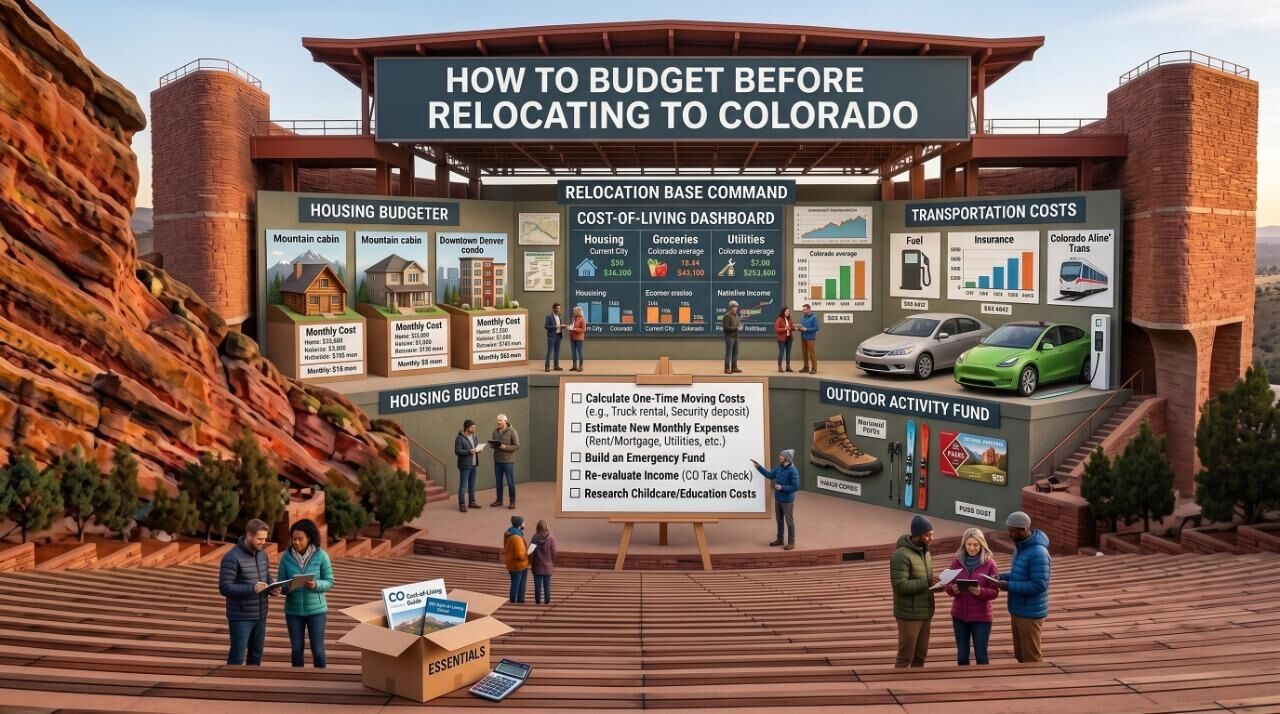
A relocation budget should not only focus on moving day. It should cover at least the first three months after arriving in Colorado.
Essential Budget Categories
A structured relocation budget usually includes:
- Moving services and transportation
- First month’s rent and deposit
- Utility setup and deposits
- Emergency savings fund
- Furniture and household setup
- Food and grocery adjustments
- Insurance and healthcare costs
A person should calculate each category realistically instead of estimating loosely.
Emergency Savings as a Safety Net
Financial experts recommend saving at least three to six months of expenses before a major relocation.
For example:
- Monthly expenses: $3,500
- Recommended savings: $10,500–$21,000
This fund protects against unexpected delays such as job changes or temporary unemployment.
Without emergency savings, even small issues can become stressful after relocation.
Adjusting to Everyday Life Costs After Arrival
Once the move is complete, the financial focus shifts to daily living. This is where people often experience the biggest adjustment.
Grocery and Dining Expenses
Food costs in Colorado are slightly above the national average in many cities. Grocery bills for one person typically range between $350 and $600 per month.
Dining out adds additional pressure:
- Casual meal: $15–$25
- Mid-range restaurant: $25–$50 per person
- Coffee or snacks: $5–$10 per visit
Small daily expenses slowly shape the monthly budget.
Healthcare and Insurance Costs
Healthcare is another important factor in relocation planning. Insurance premiums vary depending on employer coverage or marketplace plans.
According to Healthcare.gov, individual plans can range widely depending on income and location.
Medical visits, prescriptions, and emergency care should also be included in long-term budgeting.
Outdoor Lifestyle and Recreation Spending
Colorado is known for its active lifestyle. Hiking, skiing, camping, and biking are common activities.
However, they also bring extra costs:
- Ski passes: $700–$1,500 per season
- Outdoor gear: $200–$1,000+
- Gym memberships: $40–$150 monthly
- Travel to mountain areas: fuel and lodging costs
This lifestyle adds value but also increases spending.
Smart Financial Strategies for a Smooth Transition
Budgeting is not only about reducing spending. It is about managing money in a way that supports stability after relocation.
Use a Simple Budgeting Method
A common approach is the 50/30/20 rule:
- 50% for needs
- 30% for wants
- 20% for savings
This structure helps maintain balance between lifestyle and responsibility.
Track Expenses During the First 90 Days
The first three months after moving are critical. Spending patterns often change without notice.
Tracking helps identify:
- Overspending on restaurants
- Higher-than-expected utility bills
- Transportation increases
- Lifestyle inflation
This awareness helps adjust spending early.
Avoid Lifestyle Inflation
Many newcomers increase spending quickly after moving due to excitement. New restaurants, outdoor gear, and social activities can slowly increase monthly costs.
A controlled approach helps maintain long-term financial stability.
Choosing the Right City Based on Budget
Colorado offers different financial environments depending on the city.
Denver vs Smaller Cities
Denver offers:
- Strong job opportunities
- Urban lifestyle
- Higher rent costs
Smaller cities like Pueblo or Colorado Springs offer:
- Lower housing costs
- Slower pace of life
- More affordable daily expenses
Choosing the right city can significantly change overall budget requirements.
Remote Work Opportunities
Remote workers have more flexibility in choosing affordable cities. Living outside major urban centers can reduce rent and transportation expenses significantly.
Final Financial Preparation Checklist
Before moving, a person should ensure:
- Savings cover at least 3 months of expenses
- Housing costs are researched in advance
- Moving quotes are compared
- Transportation costs are calculated
- Emergency fund is separate from moving budget
- Daily living expenses are realistically estimated
These steps reduce financial uncertainty and improve relocation success.
Final Thoughts
Relocating to Colorado can be one of the most exciting decisions in a person’s life, but financial preparation determines how smooth that experience becomes.
Understanding housing, transportation, utilities, and daily living costs ensures there are no surprises after arrival.
A well-planned budget creates confidence and stability, allowing a person to enjoy the transition instead of worrying about expenses.
When financial planning is done correctly, the move becomes not just a change of location, but a well-prepared step toward a better lifestyle.




 English
 Arabic
 French
 Spanish
 Portuguese
 Deutsch
 Turkish
 Dutch
Dutch
 Italiano
 Russian
 Romaian
 Greek
Greek
 Hrvatski
 Cehoslowakia