


Unique Greeting Card Designs That Stand Out Instantly
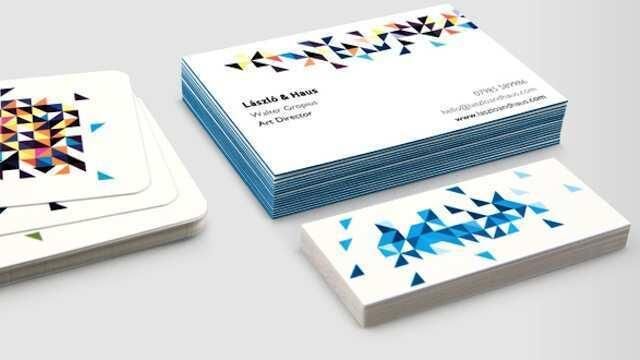
In a world of mass-produced cards, standing out is a real challenge. Most store shelves are lined with predictable designs and familiar sentiments. But unique greeting cards create an entirely different experience for recipients. They surprise, delight, and communicate something unexpected and wonderful. A truly unique card is remembered long after the occasion has passed. It becomes a conversation piece, a keepsake, and a statement about the sender.
What Defines a Truly Unique Greeting Card
Uniqueness in greeting card design goes beyond just an unusual image. It encompasses the entire physical and emotional experience of the card. The material, finish, illustration style, and message all contribute. A unique card surprises the recipient in at least one meaningful way. It either looks unlike anything they've seen, feels unlike anything they've touched, or says something perfectly unexpected. True uniqueness creates a moment of genuine delight.
Breaking Away From Template-Based Design
Most commercially available cards start from a template framework. Templates produce consistent but rarely surprising results for recipients. Breaking away from templates requires intentional creative decision-making. It means questioning every default choice in color, layout, and imagery. It means asking whether the design says something specific or something generic. When every element is chosen deliberately, uniqueness emerges naturally.
The Difference Between Quirky and Genuinely Unique
Quirky design relies on unexpected humor or novelty elements. Truly unique design goes deeper into concept, craft, and execution. A card can be quirky but still feel mass-produced and template-driven. Genuine uniqueness comes from a cohesive creative vision executed with precision. It is not about adding a surprising element to an otherwise ordinary design. It is about designing every element to serve a singular, surprising vision.
Unique Illustration Styles That Define Standout Cards
Illustration is one of the most powerful tools for card differentiation. The style of illustration communicates personality before the message is read. Certain illustration styles consistently produce cards that stop people in their tracks. These styles diverge from the safe, predictable approaches dominating most card racks. Choosing or commissioning a distinctive illustration style immediately elevates your card.
Risograph-Printed Aesthetic
Risograph printing produces a distinctive, layered, slightly imperfect aesthetic. Colors overlap to create rich, organic tones with occasional deliberate misregistration. The resulting look feels handmade, artistic, and genuinely independent in spirit. Cards with a riso-aesthetic appeal strongly to design-conscious, creative audiences. They signal cultural awareness and an appreciation for artisan craft processes. Recipients often keep these cards as collectible art objects on their walls.
Maximalist Illustration With Intricate Detail
Where minimalism dominates the mainstream, maximalism creates instant contrast. Cards covered in intricate, detailed illustration command undivided attention. Every corner holds something new to discover upon closer examination. This density of detail rewards extended looking in a deeply satisfying way. Maximalist cards feel generous, abundant, and extraordinarily crafted. They take significantly more effort to produce, which recipients instinctively sense and appreciate.
Abstract and Painterly Design Approaches
Abstract design opens creative possibilities that representational illustration cannot. Painterly watercolor washes create soft, emotional, and deeply personal atmospheres. Bold abstract forms communicate energy, joy, or melancholy without literal imagery. These cards work across many occasions because they're emotionally interpretable. The recipient brings their own meaning to the abstract visual language. This interpretive openness makes the card feel personally resonant to each individual.
Unique Physical Formats That Surprise Recipients
The physical format of a card is often its first surprise element. Standard A2 or A6 cards are expected and therefore forgettable. Departing from standard sizes and shapes creates immediate visual intrigue. Unusual formats make the card stand out in a stack or on a shelf. They signal before anything else that this card is different. Format innovation is one of the most underutilized tools in card design.
Die-Cut Cards With Distinctive Silhouettes
Die-cutting allows cards to be produced in virtually any shape imaginable. A birthday cake-shaped card communicates the occasion through its very form. An animal-shaped card delights children and animal lovers immediately. A city skyline silhouette personalizes a card for a recipient who loves travel. The die-cut shape adds a sculptural quality that flat cards cannot achieve. Recipients often display die-cut cards as three-dimensional decorations long after the occasion.
Accordion-Fold and Multi-Panel Cards
Multi-panel card formats create a narrative experience as they unfold. An accordion-fold card reveals new content with each unfolding panel. This format suits milestone cards that tell a story or journey. It gives the sender more space to communicate meaning and detail. The unfolding experience creates a sense of anticipation and reward. Recipients interact with the card more actively, deepening their emotional engagement.
Oversized Cards That Make a Bold Statement
An oversized card makes an immediate physical statement upon arrival. It communicates that this occasion deserved more than a standard gesture. The extra space allows for larger, more detailed artwork and messaging. Oversized cards photograph exceptionally well for social sharing occasions. They are impossible to miss in a pile of standard-sized envelopes. The size alone signals extraordinary care and intentional generosity.
Tactile and Sensory Design Innovations
Some of the most unique cards today focus on the sense of touch. Beyond paper texture, innovative tactile elements create memorable physical experiences. These sensory details make a card impossible to put down immediately. They invite the recipient to explore every surface of the card. Tactile innovation is particularly powerful because it's completely absent in digital cards.
Letterpress Printing for Tactile Depth
Letterpress printing presses type and design elements into the paper surface. This creates a distinctive debossed impression that is powerfully tactile. Running a finger across letterpress text creates a uniquely satisfying sensation. The ink settles into the pressed areas with rich, concentrated depth. Letterpress cards feel slow, crafted, and intentionally made with care. They represent a return to artisanal printing traditions that feel genuinely special today.
Velvet Spot UV and Soft-Touch Finishes
Velvet spot UV applies a soft, tactile coating to specific design areas. Pressing it creates contrast between the velvety coated areas and smooth background. This contrast is both visually striking and deeply pleasurable to touch. Soft-touch laminate applied to the entire card surface creates a suede-like feel. These finishes transform handling the card into a genuinely sensory experience. Recipients linger over these tactile details in ways they never do with standard cards.
Investing in custom greeting cards printing with a professional print partner enables access to all these unique techniques. From die-cutting to specialty finishes, professional printers unlock the full creative spectrum. The quality of execution determines whether a unique concept truly lands. A skilled print partner translates creative vision into a physical object with precision.
Unique Messaging Approaches That Stand Out
A unique card is not only visually differentiated; it also speaks differently. The most memorable cards combine exceptional design with exceptional language. Moving beyond generic sentiment requires creative courage and genuine thought. It means resisting the pull toward safe, predictable emotional expression. A card message that says something specific and surprising creates real impact. Recipients treasure these unexpected verbal moments as much as visual ones.
Humor That Surprises Rather Than Panders
Humor in greeting cards often relies on predictable formulas that feel tired. Surprising humor subverts expectations rather than confirming them. A perfectly unexpected punchline lands with genuine delight and extended warmth. The best humorous cards are ones you want to share with others. They make you laugh and then want someone else to experience that same laugh. This shareability extends the card's life and emotional reach.
Cards That Include Personal Narrative
Some of the most powerful cards include a brief, personal narrative. A few sentences that reference a specific shared experience create profound intimacy. This approach works because it demonstrates that you were paying genuine attention. Recipients feel honored that their specific experience was remembered and acknowledged. No amount of generic sentiment produces this particular emotional response. Narrative personalization transforms a card from a gesture into a genuine gift.
 English
 Arabic
 French
 Spanish
 Portuguese
 Deutsch
 Turkish
 Dutch
Dutch
 Russian
 Romaian
 Portuguese (Brazil)
 Greek
Greek
 Hrvatski
 Cehoslowakia