Unforgettable Tanzania Safari Encounters: Exploring East Africa with Tanzania Classic Tours
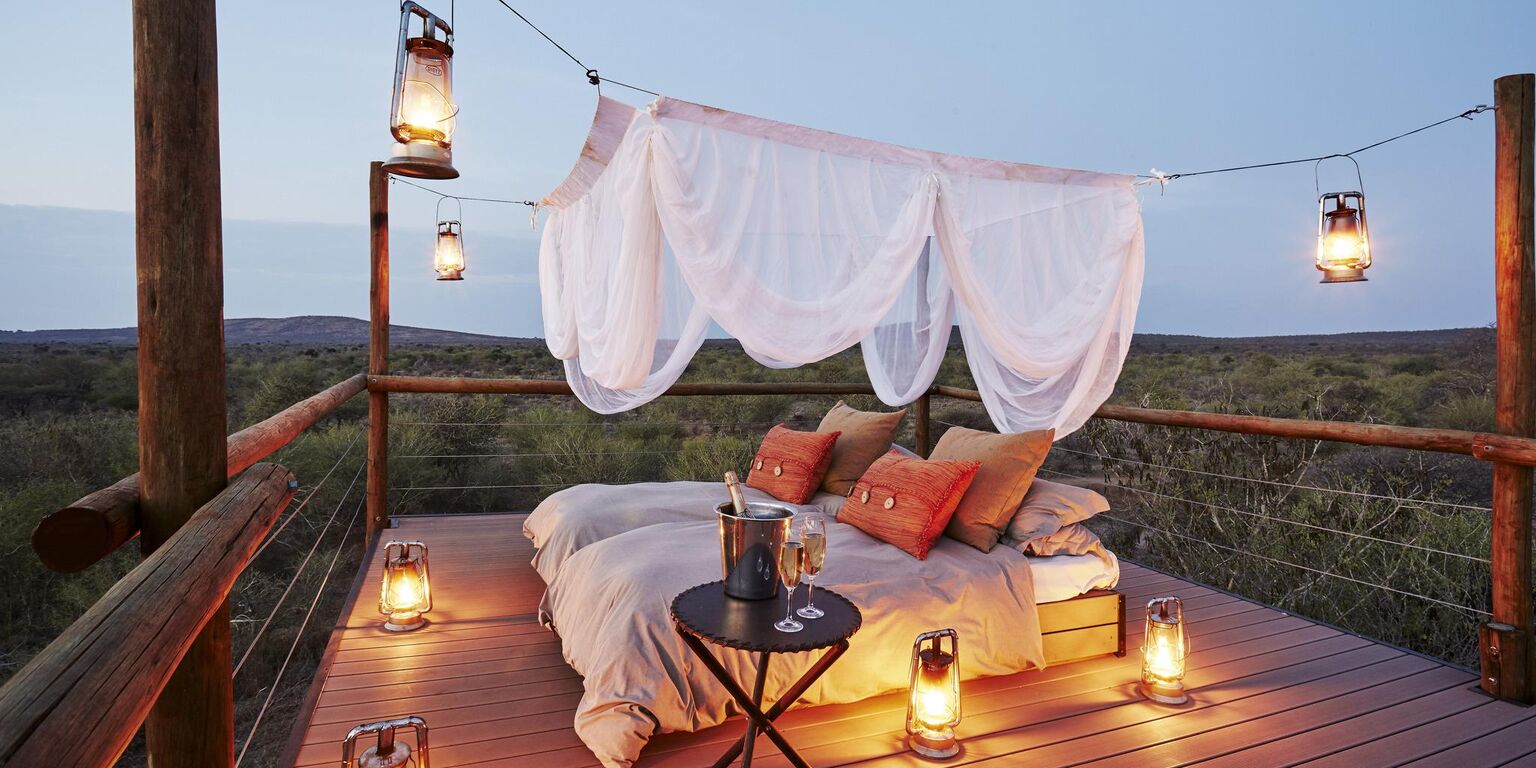
East Africa holds an extraordinary place in the imaginations of travelers across the globe. Among its diverse nations, Tanzania shines brightly as an unparalleled realm of wilderness, sweeping savanna, and unmatched biodiversity. Choosing to undertake a Tanzania Safari means entering a world where nature reigns supreme, where millions of wild animals follow age-old migratory routes, and where landscapes stretch uninterrupted toward distant horizons. From the golden grass plains of the Serengeti to the dramatic depths of the Ngorongoro Crater, the country offers an immersive look into ecosystems that remain as untamed today as they were thousands of years ago.
Organizing a travel experience of this magnitude requires deep local knowledge, careful planning, and a genuine passion for the country's natural heritage. Tanzania Classic Tours stands out as a premier safari specialist dedicated to turning African travel dreams into reality. By offering thoughtfully crafted itineraries, skilled professional guides, and personalized service, travelers are invited to discover the rich landscapes and remarkable wildlife of Tanzania in comfort and style.
The Magnificent Wilderness of the Northern Safari Circuit
For first-time visitors and veteran travelers alike, the Northern Safari Circuit represents the legendary heart of African wildlife viewing. This celebrated region encompasses several distinct national parks and conservation areas, each offering a unique environment and an astounding array of resident species.
Serengeti National Park: Land of Endless Plains
The name Serengeti originates from the Maasai word Siringet, which translates to "the place where the land moves on forever." This vast expanse covers over fourteen thousand square kilometers of grasslands, riverine forests, and granite rock formations known as kopjes. Exploring the Serengeti on a Tanzania Safari brings visitors directly into the epicenter of African predator and prey dynamics.
The park is world-famous for hosting the Great Migration, one of the most awe-inspiring natural phenomena on Earth. Throughout the year, over one and a half million wildebeest, accompanied by hundreds of thousands of zebras and gazelles, move in a continuous circular trek across the ecosystem in search of fresh grazing pasture and clean water. Watching these massive herds cross open plains, navigate crocodile-infested rivers, and raise their young is an unforgettable spectacle.
Beyond the migration, the Serengeti supports exceptional densities of resident predators. Large lion prides rest upon sun-warmed kopjes, elusive leopards stalk prey along the thick vegetation of the Seronera River, and cheetahs utilize the open grasslands to achieve terrifying speeds while hunting gazelles. Hyenas, jackals, and birds of prey complete a complex food web that operates continuously across all seasons.
The Ngorongoro Crater: Nature's Natural Amphitheater
Formed millions of years ago when a massive volcano collapsed in upon itself, the Ngorongoro Crater stands today as the largest intact, unfilled volcanic caldera on Earth. The crater floor, situated six hundred meters below the rim, spans over two hundred square kilometers and houses a self-contained ecosystem that supports approximately twenty-five thousand large mammals.
Descending down the steep caldera walls reveals a surreal landscape featuring freshwater lakes, swampy marshes, open grasslands, and acacia woodlands. The Ngorongoro Crater provides one of the best opportunities in Africa to spot the elusive black rhinoceros, an endangered species guarded closely within the sanctuary of the crater walls. Heavy-maned lions, massive bull elephants carrying impressive tusks, herds of buffalo, and thousands of flamingos feeding in the soda waters of Lake Magadi call this extraordinary crater home.
Partnering with Tanzania Classic Tours ensures that game drives within Ngorongoro are timed to perfection, allowing travelers to experience the early morning light as wildlife awakens across the crater floor.
Tarangire National Park: The Kingdom of Elephants and Baobabs
Located south of the Serengeti ecosystem, Tarangire National Park offers a starkly different visual landscape characterized by ancient, towering baobab trees and gentle rolling hills. Tarangire is celebrated globally for housing one of the largest concentrations of African elephants on the continent. During the dry months, herds numbering in the hundreds gather along the banks of the Tarangire River, which acts as the sole primary water source for miles around.
Watching elephant families bathe, play, and interact along the riverbed offers a poignant look into the emotional intelligence of these gentle giants. In addition to elephants, Tarangire is home to rare species that are less commonly seen in other northern parks, including the fringe-eared oryx, the long-necked gerenuk, and over five hundred cataloged species of birds.
Lake Manyara National Park: Alkaline Waters and Tree-Climbing Lions
Nestled dramatically at the base of the Great Rift Valley escarpment, Lake Manyara National Park proves that small size does not limit biodiversity. A significant portion of the park consists of the shallow, alkaline Lake Manyara, which attracts vast flocks of flamingos, pelicans, and storks, painting the shoreline in shades of pink and white.
The terrestrial portion of the park transitions from lush, evergreen groundwater forests filled with troops of baboons and blue monkeys to open woodlands where Manyara’s famous tree-climbing lions can occasionally be spotted resting high in the branches of mahogany and acacia trees.
Exploring the Untamed Southern and Western Safari Circuits
While the northern parks draw widespread international recognition, Tanzania possesses vast southern and western wilderness areas that offer exceptional solitude, raw landscapes, and authentic wildlife encounters for travelers seeking paths less traveled.
Nyerere National Park (Formerly Selous Game Reserve)
Spanning an impressive area larger than Switzerland, Nyerere National Park represents one of the largest protected wildlife sanctuaries in Africa. The landscape is dominated by the majestic Rufiji River, which carves a network of channels, lakes, and swamps through the park.
Unlike northern destinations where game viewing occurs almost exclusively from four-wheel-drive vehicles, Nyerere National Park offers dynamic boat safaris along the Rufiji River. Drifting past pods of submerged hippos, massive Nile crocodiles basking along sandy banks, and thirsty wildlife coming down to drink provides a unique perspective on African wilderness travel. Furthermore, Nyerere is a critical stronghold for the endangered African wild dog, offering safari guests a rare chance to witness these highly social, efficient pack hunters in their natural element.
Ruaha National Park: Rugged Grandeur
Ruaha National Park is defined by its dramatic, arid terrain, rocky escarpments, and magnificent stands of baobabs. Through its center flows the Great Ruaha River, serving as the lifeblood for wildlife during the dry season. Ruaha is famous for its massive lion populations, with prides often numbering over twenty individuals that have adapted to hunting large prey such as buffalo and giraffe. The park also forms a vital transition zone where southern and eastern African flora and fauna overlap, allowing visitors to view both greater and lesser kudu within the same sanctuary.
Western Wonders: Katavi and Mahale Mountains
For true adventurers, the remote parks of western Tanzania represent the ultimate frontier. Katavi National Park features vast floodplains where thousands of buffalo graze alongside impressive concentrations of hippos crowded into shrinking waterholes during dry months.
Further west along the crystal-clear shores of Lake Tanganyika lies Mahale Mountains National Park. Accessible primarily by boat, Mahale is famous for its wild chimpanzee populations. Trekking through lush tropical rainforests guided by experts from Tanzania Classic Tours allows visitors to observe chimpanzees feeding, grooming, and interacting within their natural forest habitat.
Understanding Seasonal Rhythms: When to Journey
Planning a successful Tanzania Safari requires an understanding of the country's distinct seasonal shifts, which directly influence wildlife movement, landscape appearance, and weather conditions.
The Dry Season (June through October)
The dry season is widely considered the peak period for wildlife viewing across all regions. As rainfall ceases, vegetation thins out and water sources dry up, forcing animals to congregate around permanent rivers, waterholes, and lakes. This concentration makes wildlife easier to locate and track.
In the Serengeti, the dry season coincides with the dramatic river crossings of the Great Migration. Between July and October, herds face perilous crossings of the Grumeti and Mara rivers, where hungry crocodiles wait beneath the surface and predators stalk the riverbanks. The dry season also brings warm, clear days and cooler evenings, creating comfortable conditions for game drives.
The Calving Season (January through March)
During the early months of the year, short rains transform the southern Serengeti and Ndutu plains into lush, nutrient-rich feeding grounds. Millions of wildebeest assemble here for the annual calving season, where approximately eight thousand young wildebeest are born every single day over a brief three-week period.
This abundance of vulnerable young animals attracts high concentrations of lions, cheetahs, leopards, and hyenas, leading to intense, fast-paced predator-prey interactions. The skies during this period are vibrant, and the lush green background provides extraordinary conditions for photography.
The Emerald Season (April and May)
The months of April and May bring the main rainy season, often referred to as the emerald season. While heavy downpours can make certain remote tracks muddy, traveling during this period offers remarkable rewards. The landscapes are lush, green, and vibrant, dust levels are zero, and international tourist numbers drop significantly, allowing for peaceful, exclusive wildlife sightings. Birdwatchers will find this time particularly magical, as thousands of migratory bird species arrive to join resident populations.
Tailoring Your Journey with Tanzania Classic Tours
Every traveler arrives in East Africa with unique expectations, preferences, and desires. A successful travel company understands that a cookie-cutter approach cannot do justice to such a rich destination. Tanzania Classic Tours emphasizes custom-designed itineraries tailored around individual schedules, budget preferences, and desired comfort levels.
Luxury Tented Camps vs. Traditional Safari Lodges
Accommodations play a central role in shaping the overall journey. Canvas safari camps offer an intimate connection to the surrounding wilderness, allowing guests to fall asleep to the distant calls of lions and hyenas while enjoying modern amenities such as plush king beds, hot showers, and private verandas. Many luxury tented camps are mobile, moving seasonally to follow the Great Migration so guests remain close to wildlife movements.
Alternatively, permanent safari lodges provide architectural magnificence, built using local stone and timber. Featuring swimming pools, fine dining restaurants, spa facilities, and expansive viewing decks overlooking active waterholes, lodges offer exceptional comfort after an exciting day spent out in the bush.
Custom 4x4 Safari Vehicles and Expert Native Guides
The quality of a game drive relies heavily on the expertise of the driver-guide and the reliability of the transport. Journeys organized by Tanzania Classic Tours utilize custom-designed four-wheel-drive Land Cruisers equipped with pop-up roofs for three-hundred-and-sixty-degree wildlife viewing and photography. Vehicles feature onboard charging sockets, refrigerators stocked with cold water, comfortable seating, and wide windows.
Equally important are the guides themselves. Native to Tanzania, these professional naturalists possess extensive knowledge regarding animal behavior, bird identification, tracking, and local ecology. Their keen eyes can spot a camouflaged leopard sleeping high in an acacia tree or interpret subtle bird calls that signal a predator moving through the tall grass nearby.
Enriching Cultural Encounters in East Africa
A comprehensive exploration of East Africa extends beyond wildlife to encompass the rich human tapestry of the region. Integrating respectful cultural visits into a safari itinerary provides travelers with a deeper understanding of the land and its ancient heritage.
The Maasai People: Guardians of the Savanna
The Maasai are perhaps the most famous pastoralist community in East Africa, known for their distinctive bright red shúkà garments, intricate beadwork, and rich traditions. Visiting a traditional Maasai boma (village) offers insight into their pastoral lifestyle, traditional medicinal plants, cattle-rearing practices, and age-old ceremonies such as the Adumu jumping dance.
The Hadzabe and Datoga Communities around Lake Eyasi
Near Lake Eyasi, travelers have the rare opportunity to meet the Hadzabe bushmen, one of the last remaining true hunter-gatherer societies on the African continent. Living in harmony with nature, the Hadzabe speak a fascinating click language and rely entirely on foraging, collecting wild honey, and hunting with hand-crafted bows and arrows.
In the same region live the Datoga people, skilled pastoralists and silversmiths who utilize ancient blacksmithing techniques to melt down scrap metal and fashion arrowheads, brass jewelry, and tools. Engaging with these diverse communities offers profound lessons in sustainability, cultural resilience, and human connection to nature.
Combining Bush and Beach: The Zanzibar Archipelago
After days filled with dusty game drives and early morning safari wake-up calls, there is no finer way to conclude a wild adventure than by unwinding along the tropical shores of Zanzibar. Located just a short flight from the mainland safari airstrips, Zanzibar offers white sand beaches, turquoise Indian Ocean waters, and a rich historical heritage.
Stone Town: A Historical Swahili Crossroads
Stone Town, a UNESCO World Heritage site, serves as the historic heart of Zanzibar. Winding through its narrow stone alleyways reveals a fascinating architectural mix of Swahili, Arab, Indian, and European influences. Visitors can explore vibrant spice markets, admire intricately carved wooden doors, visit historic palaces, and learn about the island's complex history as an important maritime trading hub.
Coastal Serenity and Ocean Adventures
Along the northern and eastern coasts of Zanzibar lie world-class beach resorts in areas such as Nungwi, Kendwa, Paje, and Matemwe. Here, travelers can relax beside clear waters, indulge in fresh seafood, embark on traditional wooden dhow cruises at sunset, and explore underwater marine life through snorkeling and scuba diving along pristine coral reefs.
Tanzania Classic Tours handles all transfer arrangements, flights, and accommodations, creating a fluid transition from wildlife viewing on the mainland to relaxed tropical paradise on the coast.
Essential Preparation Guidelines for Travelers
Preparing for a safari requires practical planning to ensure a smooth, comfortable journey from start to finish.
Health and Visa Requirements
International visitors traveling to East Africa generally require a tourist visa, which can be easily obtained online via the official electronic visa portal prior to departure or upon arrival at major international airports such as Kilimanjaro International Airport or Julius Nyerere International Airport in Dar es Salaam.
Health precautions are equally important. Consultation with a travel medical specialist is recommended prior to travel to review routine vaccinations, discuss malaria prophylaxis, and verify requirements for Yellow Fever certificates depending on transit routes.
Smart Packing Strategies
Packing light is essential, particularly when itineraries include internal bush flights that enforce strict luggage weight limits, typically around fifteen kilograms in soft-sided bags. Key clothing items to include are:
-
Neutral-colored clothing such as khaki, beige, olive, or brown to blend in with natural surroundings (avoid dark blue and black, which can attract tsetse flies).
-
Layered clothing, including fleece jackets or windbreakers for cold early morning game drives and lightweight, breathable fabrics for hot afternoons.
-
Sturdy, comfortable walking shoes or light hiking boots for walking safaris and outdoor excursions.
-
Sun protection essentials, including a wide-brimmed hat, polarized sunglasses, and high-SPF sunscreen.
-
Quality optical gear, such as compact binoculars for individual wildlife viewing and camera equipment with telephoto lenses to capture distant animals.
Final Thoughts
Embarking on a Tanzania Safari is far more than a simple vacation; it is a transformative journey into the very heart of the natural world. Standing upon the endless Serengeti plains as thousands of wildebeest thunder past, watching a solitary lion sun itself on a granite rock, or looking out across the vast crater floor of Ngorongoro leaves an indelible mark upon the human spirit.
With its unparalleled natural beauty, diverse wilderness regions, rich indigenous cultures, and pristine coastal islands, Tanzania remains the premier destination for authentic wildlife travel. Partnering with a dedicated, experienced operator like Tanzania Classic Tours ensures that every aspect of the journey—from customized routes and comfortable accommodations to expert guiding—is handled with utmost care, professional skill, and local passion. The African wilderness is calling, ready to reveal its timeless wonder to those who venture forth to explore it.

 English
 Arabic
 French
 Spanish
 Portuguese
 Deutsch
 Turkish
 Dutch
Dutch
 Italiano
 Russian
 Romaian
 Portuguese (Brazil)
 Greek
Greek
 Hrvatski