The Importance of Hydration for Seniors Receiving Care at Home
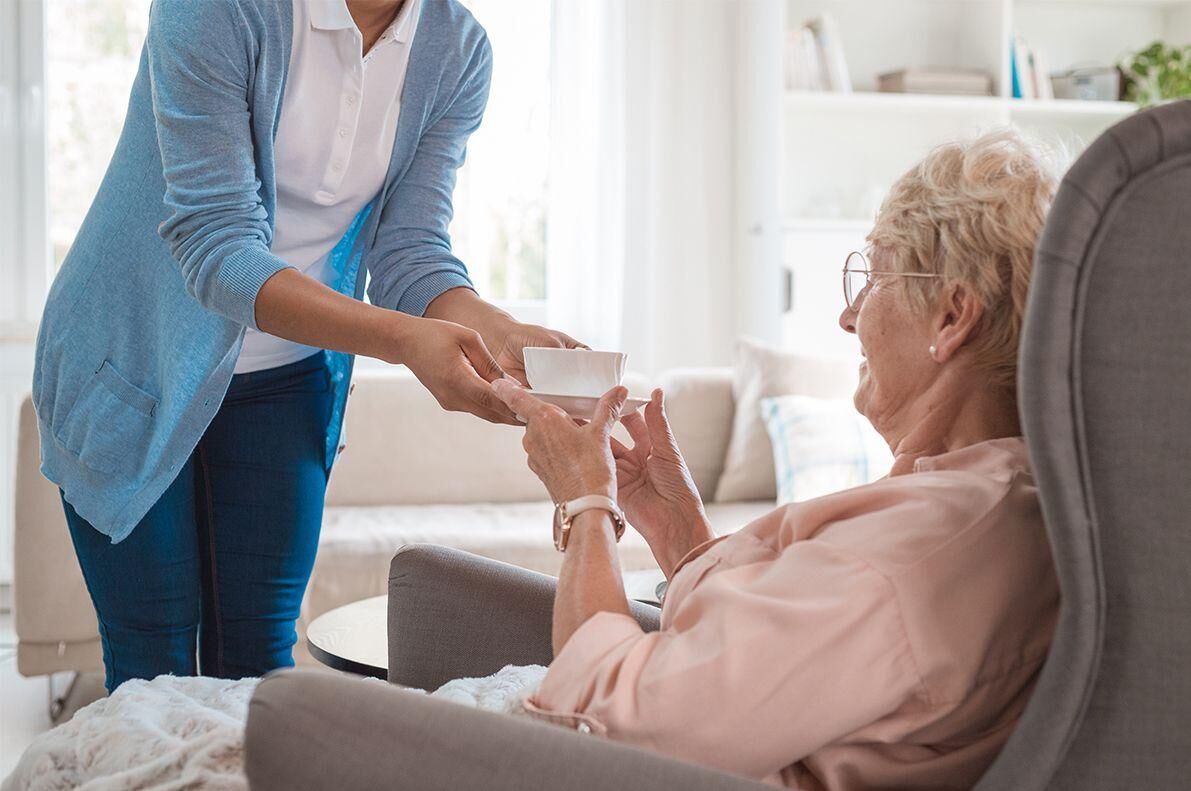
Hydration is an essential part of maintaining health and comfort at every stage of life, but it becomes particularly important for older adults. Seniors may be more vulnerable to dehydration because of reduced thirst sensation, certain medications, mobility limitations, or difficulty accessing fluids independently. Within Elderly Home Care in Dubai, caregivers can make hydration a regular part of daily care by offering fluids consistently and monitoring changes that may indicate inadequate intake. Services such as Doctor at Home can also provide convenient professional healthcare support when a senior is unwell or experiencing concerning symptoms. A well-planned hydration routine can support everyday comfort and contribute to safer, more attentive home-based care.
Why Hydration Is Important for Seniors:
Water supports many essential functions in the body, including temperature regulation, digestion, circulation, and normal cellular activity. As people age, the body's ability to conserve water and recognize thirst can change, meaning an older adult may not always feel thirsty even when fluid intake is insufficient. Seniors who depend on caregivers may also need assistance reaching a glass, opening a bottle, or preparing preferred beverages. Regular fluid intake can therefore become an important component of their daily care routine. Caregivers should consider hydration alongside nutrition, medication schedules, mobility, personal care, and other individual needs. The appropriate amount of fluid varies depending on health status, diet, activity level, weather, and medical advice.
Understanding the Risk of Dehydration in Older Adults:
Dehydration occurs when the body loses more fluid than it takes in. Older adults can face an increased risk because several age-related or lifestyle factors can affect fluid intake. Reduced thirst, difficulty swallowing, limited mobility, illness, vomiting, diarrhea, fever, and exposure to hot weather may all contribute to inadequate hydration. Some medications can also affect fluid balance or increase urination, making individualized healthcare guidance important. Seniors living at home may unintentionally drink less if they are concerned about frequent trips to the bathroom or require assistance with mobility. Caregivers can help by identifying these barriers and developing practical strategies that make appropriate fluid intake easier.
Signs That a Senior May Be Dehydrated:
Recognizing possible signs of dehydration is important because older adults may not always recognize or communicate that they need more fluids. Caregivers should pay attention to changes in a senior's usual condition and seek professional advice when symptoms are concerning or persistent. Possible signs can include:
- Increased thirst, although thirst may be absent in some older adults
- Dry mouth or dry lips
- Darker-than-usual urine
- Reduced urination
- Unusual tiredness or weakness
- Dizziness or lightheadedness
- Headache
- Confusion or changes in alertness
- Increased sleepiness or reduced activity
Severe dehydration can become a medical emergency, particularly when accompanied by significant confusion, fainting, inability to keep fluids down, or other serious symptoms. Prompt medical evaluation is important in such situations.
Creating a Regular Hydration Routine:
One of the easiest ways to encourage appropriate fluid intake is to make hydration part of the senior's existing daily routine. Instead of waiting for the person to request a drink, caregivers can offer suitable fluids at regular intervals throughout the day. A drink can be provided with meals, after waking, during social activities, and following appropriate physical activity. Keeping a clean cup or bottle within easy reach can also make drinking more convenient. Caregivers should consider the senior's preferences, mobility, swallowing ability, and healthcare recommendations when planning a hydration routine. A simple written schedule may be useful for individuals who need reminders or assistance with maintaining regular intake.
Choosing Suitable Fluids for Seniors:
Water is an excellent source of hydration, but seniors may enjoy a variety of appropriate beverages. Offering different options can make regular drinking more appealing. Depending on an individual's health requirements, suitable choices may include water, milk, or other beverages recommended by a healthcare professional. Foods with high water content, such as certain fruits and vegetables, can also contribute to overall fluid intake. However, some seniors may have medical conditions requiring fluid restrictions or dietary limitations. In these cases, caregivers should follow the individual's healthcare plan rather than increasing fluid intake independently. The goal is to provide appropriate hydration based on the person's specific needs.
Making Hydration Easier for Seniors With Mobility Challenges:
Mobility limitations can make drinking enough fluids more difficult. A senior may avoid drinking because getting up frequently to use the bathroom feels challenging or because reaching the kitchen independently is unsafe. Caregivers can address these practical barriers by keeping suitable drinks within comfortable reach and providing assistance when necessary. Lightweight cups, easy-to-open bottles, or appropriately designed drinking containers may also make drinking easier for some individuals. Bathroom accessibility should be considered as part of the overall plan, particularly for seniors who require mobility support. Creating a safe environment can encourage seniors to drink without adding unnecessary difficulties to their daily routine.
Hydration During Hot Weather:
Hot weather can increase fluid losses through sweating and may raise the risk of dehydration. This is especially relevant for seniors living in warm climates, where indoor and outdoor temperatures can become uncomfortable. During hotter periods, caregivers should pay closer attention to fluid intake and signs of overheating or dehydration. Seniors should be encouraged to remain in appropriately cool environments and avoid unnecessary exposure to extreme heat. Light clothing and suitable indoor ventilation or cooling can also improve comfort. However, individuals with conditions requiring fluid restrictions should continue following their healthcare provider's recommendations. Any concerning symptoms associated with heat exposure should receive prompt medical attention.
Supporting Hydration During Illness:
Illness can make hydration more difficult because appetite and fluid intake may decrease. Fever, vomiting, diarrhea, or other conditions can increase fluid losses, while weakness may make it harder for a senior to drink independently. Caregivers should monitor the senior closely and follow medical advice regarding fluid intake. Small, frequent amounts may be easier for some individuals to manage than a large drink at once, but this depends on the person's condition and swallowing ability. If a senior cannot keep fluids down, becomes unusually confused or weak, or shows other concerning symptoms, professional medical assessment should be sought promptly rather than relying solely on home hydration measures.
Considering Medications and Medical Conditions:
Some seniors have medical conditions or take medications that affect fluid balance. People with certain heart, kidney, or other health conditions may receive specific instructions about how much fluid they should consume. For this reason, caregivers should never assume that increasing fluid intake is appropriate for every senior. Medication lists and healthcare instructions should be reviewed regularly with qualified professionals when necessary. Caregivers can maintain a record of relevant instructions and communicate changes in the senior's drinking habits to the appropriate healthcare team. Individualized guidance is especially important when a senior has complex health needs or experiences repeated symptoms that may be related to hydration.
How Caregivers Can Monitor Daily Fluid Intake:
Monitoring fluid intake can help caregivers identify patterns and potential concerns. The level of monitoring required depends on the senior's health and care plan. For some individuals, simply offering drinks regularly may be sufficient, while others may need more structured tracking. Caregivers can record beverages consumed throughout the day when recommended by a healthcare professional. They should also observe urine patterns, energy levels, appetite, and general behavior for changes from the senior's normal condition. Monitoring should be supportive rather than restrictive, with the senior's dignity and preferences respected. Any significant or persistent changes should be discussed with a qualified healthcare provider.
Making Hydration a Comfortable Part of Home Care:
Hydration should feel like a normal and enjoyable part of daily life rather than an unwanted task. Caregivers can encourage seniors by offering preferred beverages, using comfortable cups, creating pleasant mealtime routines, and drinking together when appropriate. Family members can also reinforce healthy habits during visits or phone calls. Small reminders throughout the day may be more effective than repeatedly asking a senior to drink large quantities at once. Most importantly, caregivers should recognize that hydration needs differ from person to person. A personalized approach allows fluid intake to be managed alongside medications, nutrition, mobility, medical conditions, and lifestyle preferences.
Final Thoughts:
Hydration plays an important role in supporting the comfort and well-being of seniors receiving care at home. Because older adults may have a reduced sense of thirst or face practical barriers to drinking independently, caregivers can make a meaningful difference by offering appropriate fluids regularly, keeping drinks accessible, and watching for possible signs of dehydration. During hot weather or illness, additional attention may be necessary. At the same time, seniors with specific medical conditions or fluid restrictions should follow individualized professional guidance. By making hydration a consistent and personalized part of Elderly Home Care in Dubai, families and caregivers can help older adults maintain healthier daily routines and enjoy greater comfort while living at home.


 English
 Arabic
 French
 Spanish
 Portuguese
 Deutsch
 Turkish
 Dutch
Dutch
 Italiano
 Russian
 Portuguese (Brazil)
 Greek
Greek
 Hrvatski
 Cehoslowakia