How to Improve Grinding Results and Energy Efficiency
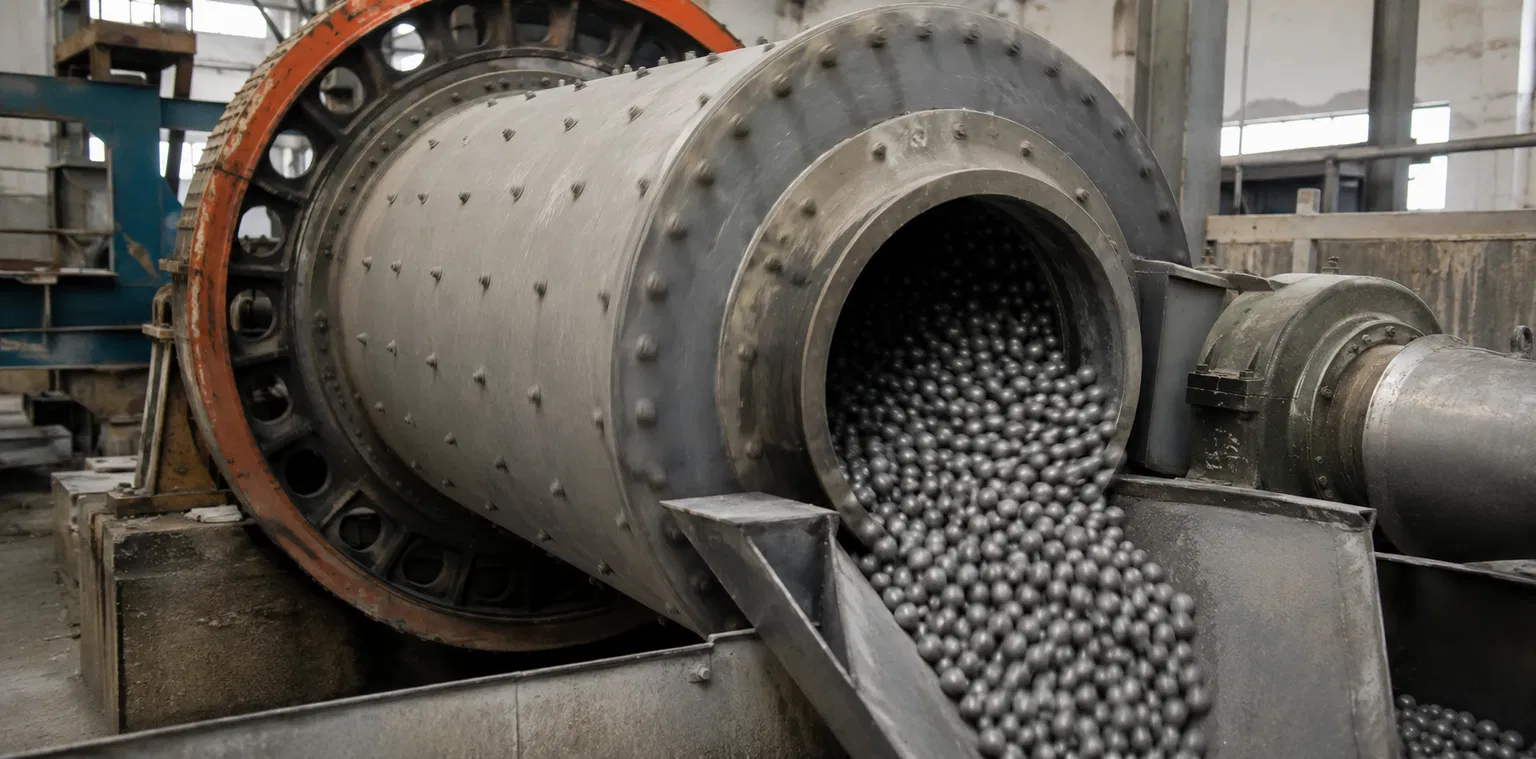
Quality analysis across construction, metallurgy, geology, and advanced material manufacturing depends on accurate sample preparation. Preparing raw materials for testing requires transforming coarse samples into ultrafine, perfectly homogeneous powders. Inconsistent sample sizes or contamination during preparation introduce variances that skew test outcomes, leading to structural failures, unverified quality standards, and inaccurate laboratory measurements.
Modern material testing facilities rely on specialized laboratory ball mills engineered to perform fine grinding and particle size reduction under controlled conditions. These machines process brittle, hard, soft, or fibrous substances down to micron level distributions. Achieving high precision requires high performance equipment specifically designed to maintain material purity, control heat generation, and deliver repeatable operational results every single batch.
The physical process of ball milling relies on high energy kinetic forces inside a rotating cylindrical jar. As the grinding jar rotates, the internal grinding media—typically steel, ceramic, or tungsten carbide balls—rise along the inner wall before cascading and impacting the target material. This continuous combination of high velocity impact and friction shear forces breaks down tough mineral aggregates, cement clinker, ores, and ceramic compounds into uniform fractions.
Understanding the Operational Mechanics of Ball Mills
The performance of laboratory grinding mills relies on precise mechanical balance. As the drum rotates, centrifugal force acts upon the internal grinding balls and the sample material. If the rotation speed is too low, the balls simply slide along the bottom of the container, producing minimal size reduction through weak friction. Conversely, if the speed is excessively high, centrifugal forces pin the balls against the inner circumference, eliminating impact dynamics entirely.
Optimum size reduction occurs at the critical speed threshold, where grinding media are carried up toward the top of the drum before dropping in a cascading arc. This free fall generates intense impact force directly onto the sample particles, crushing larger fragments instantly. Meanwhile, the attrition forces generated between sliding spheres further refine smaller particles, creating a narrow, uniform particle size distribution suitable for analytical testing.
Proper speed calibration, jar capacity ratio, and grinding media density allow operators to adapt the process for wet or dry milling applications. Dry grinding is ideal for brittle geological specimens and cement mixtures, whereas wet grinding prevents agglomeration, suppresses dust, and achieves sub micron particle sizes needed for advanced chemical analyses.
Key Considerations for Selecting Grinding Media and Jars
Selecting the right grinding media and jar material is vital to prevent sample contamination and ensure mechanical efficiency. The hardness of the grinding media must exceed the hardness of the sample material to avoid excessive media wear. Additionally, cross contamination must be avoided when preparing samples for trace element analysis, X ray fluorescence, or atomic absorption spectroscopy.
Common materials used in sample preparation include high quality steel, stainless steel, agate, zirconia, tungsten carbide, and alumina ceramics. Stainless steel offers high durability and impact energy for tough industrial samples, while agate and ceramic media provide chemically inert environments suitable for organic, biological, or high purity mineral samples.
| Media Material | Hardness Level | Primary Application Area | Contamination Prevention Profile |
| Stainless Steel | High | Cement, aggregates, metallic ores | High durability, introduces iron traces |
| Agate | Medium High | Silicates, soil samples, organic matter | Chemically inert, silica non contaminating |
| Zirconia | Extremely High | Ceramics, advanced refractories | Exceptional wear resistance, heavy media impact |
| Tungsten Carbide | Ultra High | Hard metals, hard alloys, minerals | Maximum density, prevents media erosion |
Matching the jar liner and grinding ball composition eliminates elemental interference, ensuring that chemical characterization accurately reflects the original sample rather than tool wear.
Applications Across Construction Materials and Geological Testing
In civil engineering and construction materials testing, evaluating concrete, aggregate durability, and asphalt performance demands standardized sample preparation. Raw geological cores, quarry rocks, and hardened concrete specimens must be reduced to fine powders before conducting mineralogical and chemical assessments.
Laboratory ball mills process crushed rock samples to prepare uniform flour for X ray diffraction analysis. This enables technicians to identify mineral phases, assess reactive silica content in aggregates, and verify compliance with national building codes. Similarly, in cement manufacturing, fine grinding of raw meal and clinker samples ensures accurate titrations and setting time evaluation.
Geological exploration and mining laboratories use high capacity ball milling systems to prepare core samples for assay analysis. Powdering gold, copper, and iron ore samples ensures accurate chemical extraction, protecting mining projects against sample bias and erroneous grade estimation.
Optimizing Particle Size Distribution for Advanced Analytical Methods
Modern laboratory analytical instruments, including X ray fluorescence spectrometers, mass spectrometers, and laser diffraction particle size analyzers, require finely milled powders with high surface area uniformity. Agglomerated or unevenly ground powders produce scattering errors, irregular fluorescence emission, and incomplete chemical digestion.
Ball milling reduces sample particle sizes from hundreds of microns down to uniform, single digit micron distributions. This consistent size distribution improves sample reproducibility, allowing pressing of high density pellets for X ray fluorescence without adding binding agents that introduce analytical noise.
Controlled energy input during pulverization preserves the chemical integrity of heat sensitive samples. Regulating rotation intervals and cooling pauses protects thermal integrity, preventing phase transformations or moisture loss during intensive mechanical processing.
Improving Operational Safety and Dust Control in Testing Labs
Sample preparation environments generate fine respirable dusts that present health hazards and risk cross contaminating neighboring laboratory workstations. Fine silica dust from rock crushing and toxic airborne particles from mineral processing require strict containment protocols.
Modern laboratory ball mills feature sealed grinding jars, integrated safety enclosures, and ergonomic locking systems. Airtight seals prevent dust release during high speed operation, protecting lab personnel from inhaling hazardous particulates while maintaining complete sample retention for quantitative recovery.
Sound insulating enclosures reduce operational noise levels during extended grinding runs. Integrated safety interlocks stop drum rotation instantly if the outer protective cover is opened during operation, protecting technicians from high speed mechanical hazards.
Equipment Maintenance and Calibration for Repeatable Results
Maintaining consistent performance across thousands of sample cycles requires regular equipment maintenance and systematic calibration. Mechanical wear on drive rollers, belts, bearings, and motor speed controllers can introduce subtle variations in rotational speed, altering the kinetic energy transferred to samples over time.
Regular inspection of grinding jars for internal pitting, micro cracks, and seal degradation prevents unexpected leakages and material loss. Grinding balls should be weighed periodically and replaced when mass loss exceeds specified operational tolerances, ensuring consistent impact dynamics across successive preparation batches.
Partnering with established testing equipment manufacturers ensures access to certified replacement parts, calibration services, and expert technical guidance. Equipment suppliers specializing in materials testing provide tailored solutions engineered specifically for rigorous laboratory workloads.
Quality Engineering for Materials Testing Systems
Reliable materials testing equipment forms the foundation of modern infrastructure quality control and industrial research. Precision engineered equipment manufactured by Capco delivers robust, dependable performance for concrete, soil, aggregate, and specialized material testing programs.
Investments in high specification sample preparation apparatus directly improve analytical accuracy, lower operational downtime, and ensure compliance with international testing standards. Industry professionals rely on Capco for heavy duty construction, operational reliability, and comprehensive laboratory sample preparation solutions.
Explore the complete range of heavy duty sample preparation machinery, testing jars, and grinding accessories by visiting Capco to find engineered solutions designed for your analytical testing applications.
Frequently Asked Questions
What is the ideal ball to material ratio for laboratory grinding?
The standard ball to material ratio by mass typically ranges between 3:1 and 10:1, depending on material hardness and desired fineness. Maintaining correct proportions ensures adequate collision frequency without overloading the jar volume.
How do I prevent cross contamination between different samples?
Use dedicated grinding media made of non interfering materials like agate or ceramic, clean jars thoroughly between cycles using solvent washing or ultrasonic baths, and perform short pre grinding runs with clean quartz sand.
What is the main difference between wet and dry sample milling?
Dry milling is faster and simpler for dry analytical powders, while wet milling uses a liquid medium to prevent particle agglomeration, reduce heat buildup, and achieve fine sub micron particle size distributions.
How long should a typical laboratory sample be milled?
Grinding duration varies from 2 minutes for brittle minerals up to 30 minutes or more for tough aggregates. Optimizing time prevents over grinding, which can induce phase changes or thermal degradation.
How do I select between agate and steel grinding media?
Choose stainless steel for maximum grinding speed and hard structural materials where minor iron traces do not impact testing. Select agate for trace element chemical analysis and high purity silicate characterization where metal contamination must be completely avoided.
Final Summary
Effective sample preparation remains a critical prerequisite for accurate analytical testing, quality assurance, and material compliance across construction, geology, and industrial manufacturing. Utilizing engineered ball milling equipment ensures that raw samples are reliably reduced to precise, homogeneous powders without introducing unwanted contamination or sample loss.
By carefully selecting grinding media, optimizing rotational mechanics, and following rigorous maintenance schedules, laboratories can achieve exceptional analytical reproducibility and operational efficiency. High quality equipment solutions offered by Capco empower materials testing laboratories to maintain compliance, enhance laboratory productivity, and deliver uncompromised analytical results.

 English
 Arabic
 French
 Spanish
 Portuguese
 Deutsch
 Turkish
 Dutch
Dutch
 Italiano
 Russian
 Romaian
 Portuguese (Brazil)
 Greek
Greek
 Hrvatski